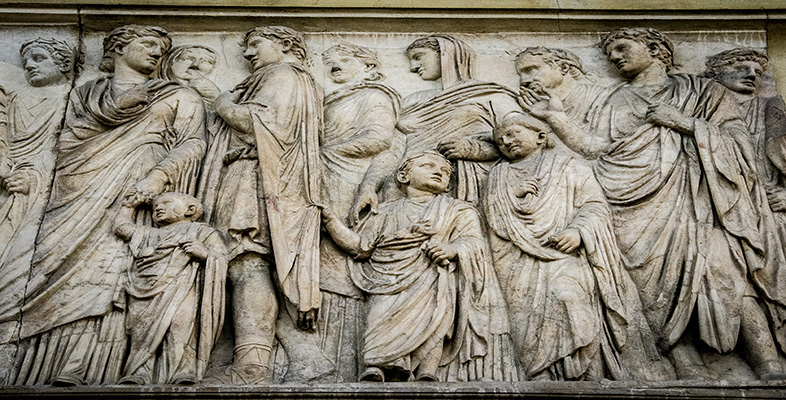
How do we learn about the world of the ancient Romans and Greeks? This free course, Introducing the Classical world, will provide you with an insight into the Classical world by introducing you to the various sources of information used by scholars to draw together an image of this fascinating period of history.
Course learning outcomes
After studying this course, you should be able to:
understand how sources are used in studies of the Classical World
understand the issues related to time and space in studies of the Classical World.
This course provides an excellent foundation for the impressive set of ๐ข๐ฝ๐ฒ๐ป๐๐ฒ๐ฎ๐ฟ๐ป courses that cover ancient Greek and Roman history. Indeed, this course may well have benefited from a โTaking it furtherโ section as included within ๐ข๐ฝ๐ฒ๐ป๐๐ฒ๐ฎ๐ฟ๐ป courses from this historical period, such as ๐๐๐ ๐ข๐๐ฃ๐ฎ ๐๐ช๐๐จ๐๐จ ๐ค๐ ๐ฉ๐๐ ๐๐ข๐ฅ๐๐ง๐ค๐ง ๐ผ๐ช๐๐ช๐จ๐ฉ๐ช๐จ; this would then allow students to plan their educational journey through them.
The breadth of coverage of sources is clearly of great benefit in emphasising the need for cross-domain interpretation, evidential analysis, context judgement, the determination of scope, the interpretation of bias/perspective and the preference for โreliableโ primary sources. Given the last update date of 05/08/2019, one wonders if the section on ๐ ๐ผ๐ฑ๐ฒ๐ฟ๐ป ๐๐ผ๐๐ฟ๐ฐ๐ฒ๐ would require amendment to reflect the current implications of โhallucinationโ within AI generated sources.
โFigure 1 Plan of the streets of Rome overlaid with fragments of the Forma Urbis Marmorea showing the curia pompei next to the circular temple on the right. (Reproduced from Steinby, E.M. (ed.) (1993) Lexicon Topographicum Urbis Romae, vol.1, Figure 123a.)โ
โฆthe shaded area only appears to cover a sub-set of the remaining fragments, for example:
https://www.thiasos.eu/en/seminario-forma-urbis-severiana-novita-e-prospettive/
https://romeguides.it/wp-content/uploads/2020/12/Forma-Urbis-1128x800.jpg
โMany archaeologists assume that this reflects a corresponding decrease in the Athenian populationโ
Anthony Snodgrass FBA, ๐ผ๐ง๐๐๐๐๐ ๐๐ง๐๐๐๐: ๐๐๐ ๐ผ๐๐ ๐ค๐ ๐๐ญ๐ฅ๐๐ง๐๐ข๐๐ฃ๐ฉ (1980) pp. 22-24
https://www.google.co.uk/books/edition/Archaic_Greece/JVwWJAoUWRgC?hl=en&gbpv=1&printsec=frontcover
โthey say that society became more stratified, increasingly burying only the elite, so that evidence of these burials is the only thing which survivesโ
โฆsurely, Atticaโs Phaleron sand pits cemetery contains over 1,500 skeletons, including a mass grave of roughly 80 individuals and dates from the 8th to the 5th centuries BCE, indicating that whilst the elite might indeed have recognisable graves the remainder were not necessarily limited to shallow graves that were open to the ravages of time?
โNot a population decrease then, but a more prominent class system.โ
Popularized by Ian Morris in ๐ฝ๐ช๐ง๐๐๐ก ๐๐ฃ๐ ๐ผ๐ฃ๐๐๐๐ฃ๐ฉ ๐๐ค๐๐๐๐ฉ๐ฎ (1987), e.g. pp. 9, this theory argues that the population did not shrink; rather, the right to a formal, archaeologically visible burial was restricted through a deliberate socio-political exclusion of the non-elite from formal burial spaces. Thus, there was a fundamental increase in the proportion of the population that was affected by class division in the first place. ๐๐ฒ๐ฏ๐ ๐ฏ๐ผ๐ป๐ฑ๐ฎ๐ด๐ฒ resulted with the eliteโs (the ๐๐ช๐ฅ๐๐ฉ๐ง๐๐๐๐) increasing consolidation of agricultural land, causing a form of serfdom and indeed actual slavery. A formal burial (๐ฉ๐๐ฅ๐๐ค๐จ) required the retention of citizenship and membership in the community.
https://www.google.co.uk/books/edition/Burial_and_Ancient_Society/W8srL8lkARsC?hl=en&gbpv=1&dq=Burial+and+Ancient+Society&printsec=frontcover
๐๐ถ๐๐ฒ๐ฟ๐ฎ๐๐๐ฟ๐ฒ
โFurthermore, much Classical literature (especially in the earlier periods) was performed rather than read.โ
It is perhaps interesting to note that since the text was not recorded, performers called ๐ง๐๐๐ฅ๐จ๐ค๐๐๐จ learned the Odyssey by listening to the generation before them.
https://historythisweekpodcast.substack.com/p/did-homer-write-the-odyssey-was-he
The preservation of the ๐๐ญ๐ช๐ข๐ฅ and the ๐๐ฅ๐บ๐ด๐ด๐ฆ๐บ without the aid of writing is one of the greatest feats of human memory, but it was not guaranteed by exact word-for-word memorisation. Milman Parry and Albert Lord have shown that the oral tradition succeeded because it was a highly advanced linguistic system designed for real-time composition, not rigid memorisation.
https://uva.theopenscholar.com/charles-mathewes/blog/parrylord-theory
Homer's poetry survived because it was a ๐ญ๐ช๐ท๐ช๐ฏ๐จ ๐ต๐ณ๐ข๐ฅ๐ช๐ต๐ช๐ฐ๐ฏ passed down by schools of professional bards (such as a clan in Chios who called themselves the ๐๐ผ๐บ๐ฒ๐ฟ๐ถ๐ฑ๐ฎ๐ฒ, or "descendants of Homer") who continually trained youth in the exact same rules, plots, and formulas.
https://en.wikipedia.org/wiki/Homeric_Question
โSo, you might ask who performed the epics of Homer, who listened to them, where these performances took place, who (if anyone) paid for themโฆโ
As Greek city states developed (6 BCE onwards) there would have been free public recitations as part of religious festivals; it was part of the stateโs civic duty to entertain the populace. In addition, rhapsodes competed for massive cash prizes funded directly by the city's treasury or tax system (as detailed in Platoโs ๐๐ฐ๐ฏ.)
https://academic.oup.com/book/11229/chapter-abstract/159748250
โIs it contemporary society Homer is describing?โ
His poems are set in the ๐ ๐๐ฐ๐ฒ๐ป๐ฎ๐ฒ๐ฎ๐ป ๐๐ฟ๐ผ๐ป๐๐ฒ ๐๐ด๐ฒ (c. 1600โ1100 BCE)โthe era of grand palaces, golden masks, and powerful kings like Agamemnon. However, Homer himself lived centuries later, during the ๐๐ฎ๐ฟ๐น๐ ๐๐ฟ๐ผ๐ป ๐๐ด๐ฒ / ๐๐ฟ๐ฐ๐ต๐ฎ๐ถ๐ฐ ๐ง๐ฟ๐ฎ๐ป๐๐ถ๐๐ถ๐ผ๐ป (c. 750โ700 BCE).
โWas Homer part of the elite?โ
No, Homer (or the bards who created the poems) was likely not a member of the political or military elite. He was an artisan. The ancient tradition universally imagined Homer as a blind, wandering beggar-poet (๐ข๐ฐ๐ช๐ฅ๐ฐ๐ด). While this is likely a mythical construction, it underscores that the ancient Greeks themselves never viewed the creator of the epics as a wealthy aristocrat or a military general.
https://theconversation.com/guide-to-the-classics-homers-iliad-80968
โWas he influenced by what his audience wanted to hear?โ
Because oral poetry is performed live, the audience actively shaped every single line of the performance. An oral bard was an entertainer who adjusted his pacing, focus, and content based on the crowd's real-time reactions.
โโฆmost of the far fewer female voices we do hear are written down or even invented by menโ
There were highly celebrated female Greek poets and oral creators. In fact, ancient critics compiled a canon of "๐๐๐ฃ๐ ๐๐๐ง๐ฉ๐๐ก๐ฎ ๐๐ช๐จ๐๐จ "โnine revered historical women whose poetic mastery was viewed as equal to the mythical daughters of Zeus. In particular: Sappho of Lesbos (c. 630โ570 BCE), Plato consider her as the "The Tenth Muse" to elevate alongside the Nine Immortal Muses of Greek Mythology; Corinna of Tanagra (Trad. 6th Century BCE); Praxilla of Sicyon (c. 450 BCE); Telesilla of Argos (c. 510 BCE); Erinna (c. 4th Century BCE); Anyte of Tegea (c. 300 BCE); Myrtis, Moero and Nossis.
https://www.bbc.co.uk/sounds/play/m002grqk
โโฆwe only hear the voices of the literateโ
From an ancient Greek perspective, the ๐ฏ๐ข๐ต๐ถ๐ณ๐ฆ of the language we read is fundamentally oral, not literate. When we read Homer, we are not reading a text composed in a quiet study by a lonely writer. We are reading a dynamic linguistic system forged by generations of illiterate people talking to one another. The rhythm, the repetition, and the folk memories embedded in the ๐๐ญ๐ช๐ข๐ฅ or the Odyssey are fossils of an entire communal culture, not just the thoughts of a single literate person.
โ๐๐ฒ๐ฟ๐ผ๐ฑ๐ผ๐๐๐, the first Greek historian to survive in bulk, is at the centre of an enormous debate: some scholars think that he simply made-up large chunks of his work, and no one thinks that everything he says can be taken as fact.โ
โฆrefers to ๐๐๐ ๐๐๐จ๐ฉ๐ค๐ง๐๐๐จ (Book 7, Section 152), classical historians view it as a statement of his ๐ฝ๐ถ๐ผ๐ป๐ฒ๐ฒ๐ฟ๐ถ๐ป๐ด ๐บ๐ฒ๐๐ต๐ผ๐ฑ๐ผ๐น๐ผ๐ด๐ and ๐ฐ๐ฟ๐ถ๐๐ถ๐ฐ๐ฎ๐น ๐๐ฐ๐ฒ๐ฝ๐๐ถ๐ฐ๐ถ๐๐บ. Herodotus introduces this rule of thumb while discussing a highly controversial political scandal. He was addressing whether the Greek city-state of Argos had committed treason by actively inviting the Persians to invade Greece. Because the evidence was muddy and the rumours were politically weaponised, Herodotus chose to provide all accounts rather than censor them.
Herodotus used this philosophy to achieve several goals:
1) Preserving Collective Memory;
2) Encouraging Reader Scepticism;
3) Presenting Multi-Perspective Truths
โSo even in the fifth century BCE, history was as much about belief as about truth.โ
The ๐ข๐ฝ๐ฒ๐ป๐๐ฒ๐ฎ๐ฟ๐ป course โ๐๐๐ง๐ค๐๐ค๐ฉ๐ช๐จ ๐๐ฃ๐ ๐ฉ๐๐ ๐๐ฃ๐ซ๐๐ฃ๐ฉ๐๐ค๐ฃ ๐ค๐ ๐๐๐จ๐ฉ๐ค๐ง๐ฎโ states โA sizable portion of the ๐๐๐จ๐ฉ๐ค๐ง๐๐๐จ has since been confirmed by modern historians and archaeologists.โ
๐๐ผ๐ฐ๐๐บ๐ฒ๐ป๐๐
โAncient texts such as Homer or Herodotus do occasionally survive as papyri, but more often they have survived as manuscripts through a process of repeated copying in antiquity, during the Middle Ages and later. The copying ensured their survival, but also created the possibility of errors during copying being incorporated, as well as providing an opportunity for copyists to โcorrectโ or clarify passages they either could not read or could not understand.โ
โฆit is indeed the case that Herodotus's original copy no long exists, however:
1) ๐ง๐ต๐ฒ ๐ ๐ฒ๐ฑ๐ถ๐ฒ๐๐ฎ๐น ๐ ๐ฎ๐ป๐๐๐ฐ๐ฟ๐ถ๐ฝ๐๐ (๐ญ๐ฌ๐๐ตโ๐ญ๐ฐ๐๐ต ๐๐ฒ๐ป๐๐๐ฟ๐ถ๐ฒ๐ ๐๐): The complete text of Herodotus survives via a small family of master copies preserved by Byzantine monks (the Byzantine Empire spoke Greek, avoiding the need to translate between languages, beyond Herodotusโs usage of the Ionic rather than the closely related Attic dialect of Ancient Greek). The oldest complete copy is the ๐พ๐ค๐๐๐ญ ๐๐๐ช๐ง๐๐ฃ๐ฉ๐๐๐ฃ๐ช๐จ (๐พ๐ค๐๐๐ญ ๐ผ), dating to the 10th century CE, housed in Florence.
2) ๐ง๐ต๐ฒ ๐๐ป๐ฐ๐ถ๐ฒ๐ป๐ ๐ฃ๐ฎ๐ฝ๐๐ฟ๐ถ ๐๐ฟ๐ฎ๐ด๐บ๐ฒ๐ป๐๐ (๐ญ๐๐โ๐ฏ๐ฟ๐ฑ ๐๐ฒ๐ป๐๐๐ฟ๐ถ๐ฒ๐ ๐๐): Over 80 fragmentary scraps of The Histories have been excavated from the dry sands of Egypt, mostly from the ๐๐ญ๐ฎ๐ง๐๐ฎ๐ฃ๐๐๐ช๐จ Papyri collection. These scraps are over ๐ณ๐ฌ๐ฌ ๐๐ฒ๐ฎ๐ฟ๐ ๐ผ๐น๐ฑ๐ฒ๐ฟ than the medieval manuscripts.
3) When modern classicists compared the 2,000-year-old Egyptian papyri fragments to the 1,000-year-old medieval manuscripts, they found they ๐บ๐ฎ๐๐ฐ๐ต๐ฒ๐ฑ ๐ฎ๐น๐บ๐ผ๐๐ ๐ฝ๐ฒ๐ฟ๐ณ๐ฒ๐ฐ๐๐น๐. This proved that medieval scribes were incredibly meticulous and did not alter the core text or lose massive fragments over the centuries. Yes, scribes copying text for 12 hours a day by candlelight made errors. In addition, if a copyist came across an obscure Persian title or an old geographical term in Herodotus's text, they might write a helpful explanatory note in the margin; this may itself be assumed to be a part of the original text.
Clearly, since this course is derived from an OU course the expectation to have access to The Oxford Companion to Classical Civilization (OCCC), A Brief History of Ancient Greece (BHAG) and Rome in the Late Republic (Beard and Crawford) was not assumed, requiring the provision of extracts.
Modern style guides (like the ๐๐น๐ง๐ฐ๐ณ๐ฅ ๐๐ถ๐ช๐ฅ๐ฆ ๐ต๐ฐ ๐๐ต๐บ๐ญ๐ฆ ๐ฐ๐ณ ๐๐ฉ๐ช๐ค๐ข๐จ๐ฐ ๐๐ข๐ฏ๐ถ๐ข๐ญ ๐ฐ๐ง ๐๐ต๐บ๐ญ๐ฆ) strongly recommend spelling out BCE date ranges in full (e.g., 480โ479 BCE) to avoid accidental time travel.
โ900โ800 BCE Homer active. Greek alphabet created from Phoenician models.โ
While some older traditions placed Homer in the 9th century BCE, modern consensus dates Homer's activity and the creation of the Greek alphabet closer to ๐ฐ. ๐ณ๐ฑ๐ฌโ๐ณ๐ฌ๐ฌ ๐๐๐ (8th century BCE).
โ509 BCE Founding of the Roman Republic.โ
This is the ๐ต๐ณ๐ข๐ฅ๐ช๐ต๐ช๐ฐ๐ฏ๐ข๐ญ date recorded by Roman historians (like Livy), but modern historians note it is highly mythologised.
โ300โ100 BCE Alexandria is prominent centre of learning in the Greek world.โ
Alexandria remained a premier intellectual hub long after 100 BCE, continuing through the Roman Empire up until late antiquity (around the 4th to 5th centuries CE).
โCE 69 Civil war: โthe year of the four emperorsโ ends with Vespasian victorious.โ
The civil war actually ๐ด๐ต๐ข๐ณ๐ต๐ฆ๐ฅ in CE 68 following Nero's suicide, though CE 69 is when the remaining three emperors cycled through power until Vespasian stabilized the empire.
In addition: a timeline might need to consider the ๐ฃ๐ฒ๐ป๐๐ฒ๐ธ๐ผ๐ป๐๐ฎ๐ฒ๐๐ถ๐ฎ: ๐๐ถ๐๐๐ผ๐ฟ๐โ๐ ๐ฑ๐ฌ-๐ฌ๐ฒ๐ฎ๐ฟ "๐๐น๐ฎ๐ฐ๐ธ ๐๐ผ๐น๐ฒ". The primary source for this era is the famous Greek historian ๐ง๐ต๐๐ฐ๐๐ฑ๐ถ๐ฑ๐ฒ๐. While he was a brilliant historian, he had a habit that drives modern chronologists mad: ๐ต๐ฒ ๐ฟ๐ฎ๐ฟ๐ฒ๐น๐ ๐ฟ๐ฒ๐ฐ๐ผ๐ฟ๐ฑ๐ฒ๐ฑ ๐ฒ๐ ๐ฎ๐ฐ๐ ๐๐ฒ๐ฎ๐ฟ๐.
โClassical Studies, as an academic subject, has chosen boundaries for itself. Anything before 814 BC, the date of the earliest โreliableโ historical date in the area around the Mediterranean Sea, is a part of prehistoryโ
814 BCE can be treated as an early chronological marker for the wider ancient Mediterranean or Archaic period, however, the Classical period in the narrower historical sense begins around 500 BCE, not with Carthageโs foundation? Indeed, โ๐ง๐ฎ๐ฏ๐น๐ฒ ๐ญ.๐ญ ๐ง๐ฎ๐ฏ๐น๐ฒ ๐ผ๐ณ ๐ฝ๐ฒ๐ฟ๐ถ๐ผ๐ฑ๐โ states that the Archaic period commenced c. 900 BCE and the Classical Period c. 530 BCE.
Scholars use different boundaries:
โข Broad Classical Studies: roughly the eighth century BCE to late antiquity.
โข Archaic Greek period: approximately 800โ500 BCE.
โข Classical Greek period: often approximately 500โ323 BCE, or more narrowly 480โ323 BCE.
โThe ancient Romans had a similar system, which used the traditional date of the founding of the city of Rome, 753 BCE, as a year zero.โ
Since Roman numerals had no year zero, strictly 753 BCE = 1 AUC, 1 BCE = 753 AUC, 1 CE = 754 AUCโฆ
โHerodotus (484โ430 BCE) describes the Heraclid dynasty in Lydia as reigning for 22 generations, equating this to a period of 505 years, and so giving an average life of nearly 23 years to each generationโ
โฆin Herodotusโs dynastic context, โgenerationโ may not mean a precisely measured parent-to-child interval. It could represent a succession in a royal lineage. A king might be succeeded by:
โข a son aged 20;
โข a younger brother;
โข a nephew;
โข a grandson;
โข or another dynastic relative.
Thus, the calculation says that the dynasty contains roughly one generational step every 23 years, but it does not establish that each king fathered his successor at age 23, nor that the rulers themselves reigned for 23 years. It is best understood as an approximate chronological average.
โOur sources are weak here, but it is doubtful that, to them, 479 BCE was the boundary of two periods.โ
Persia had not been conquered or destroyed:
โข The Achaemenid Empire remained powerful for another 150 years.
โข Xerxes continued ruling until 465 BCE.
โข Persia retained control over much of the eastern Aegean and the Greek cities of Asia Minor.
โข Persian influence remained important in Greek politics, diplomacy, and warfare.
From a Persian perspective, the campaign was likely understood less as the end of an age and more as a failed expedition or temporary setback. Persian imperial history would more naturally be divided by events such as:
โข the accession or death of a king;
โข rebellions within the empire;
โข dynastic succession crises;
โข administrative or territorial changes;
โข major conflicts with Egypt, Babylon, or other imperial regions.
โโฆin the Hellenistic and Roman periods, rather detailed descriptions of the earth's surface, including the concept of latitude and longitude, were developed in order to fix places in geographical spaceโ
This is correct if โthe concept of longitudeโ means a coordinate system for representing eastโwest position. However, in the absence of a 18th century CE chronometer, ancient geographers could only define and calculate longitude in principle without being able to measure it accurately in practice.
Ptolemy, in the second century CE, produced a major catalogue of places with latitude and longitude. His system was mathematically sophisticated, but many of the actual longitudes were inaccurate because they were based on estimated distances and reports rather than precise simultaneous time measurements.
The ๐ฅ๐ถ๐๐ฒ๐ฟ ๐๐๐ฟ๐๐บ๐ฒ๐ฑ๐ผ๐ป is missing a grid reference (Map 2 Bc), also the river itself is not shown on the respective map. Presumably it was by coincidence that the OCCC cartography contained an error for this selected river?
https://pleiades.stoa.org/places/638836
The Eurymedon is now the Kรถprรผรงay River:
https://mapy.com/en/turisticka?source=osm&id=139686813&x=31.1896813&y=37.2149669&z=9
๐ ๐ฎ๐ฝ ๐ฏ
Neapolis has reference ๐๐ฐ, rather than ๐๐ฏ.
๐ฅ๐ฒ๐ณ๐ฒ๐ฟ๐ฒ๐ป๐ฐ๐ฒ๐
๐ง๐ต๐ฒ ๐ฐ๐ผ๐๐ฟ๐๐ฒ ๐๐๐ฎ๐๐ฒ๐ โโฆand then a bibliography at the back, gathering the various items referred to.โ, there would thus appear to be a lack of references, e.g., taking just one focus area:
Snodgrass, A.M. (1971) ๐๐ฉ๐ฆ ๐๐ข๐ณ๐ฌ ๐๐จ๐ฆ ๐ฐ๐ง ๐๐ณ๐ฆ๐ฆ๐ค๐ฆ: ๐ข๐ฏ ๐ข๐ณ๐ค๐ฉ๐ข๐ฆ๐ฐ๐ญ๐ฐ๐จ๐ช๐ค๐ข๐ญ ๐ด๐ถ๐ณ๐ท๐ฆ๐บ ๐ฐ๐ง ๐ต๐ฉ๐ฆ ๐ฆ๐ญ๐ฆ๐ท๐ฆ๐ฏ๐ต๐ฉ ๐ต๐ฐ ๐ต๐ฉ๐ฆ ๐ฆ๐ช๐จ๐ฉ๐ต๐ฉ ๐ค๐ฆ๐ฏ๐ต๐ถ๐ณ๐ช๐ฆ๐ด ๐๐. Edinburgh: Edinburgh University Press.
Snodgrass, A.M. (1980) ๐๐ณ๐ค๐ฉ๐ข๐ช๐ค ๐๐ณ๐ฆ๐ฆ๐ค๐ฆ: ๐ต๐ฉ๐ฆ ๐ข๐จ๐ฆ ๐ฐ๐ง ๐ฆ๐น๐ฑ๐ฆ๐ณ๐ช๐ฎ๐ฆ๐ฏ๐ต. London: J.M. Dent & Sons.
Morris, I. (1987) ๐๐ถ๐ณ๐ช๐ข๐ญ ๐ข๐ฏ๐ฅ ๐ข๐ฏ๐ค๐ช๐ฆ๐ฏ๐ต ๐ด๐ฐ๐ค๐ช๐ฆ๐ต๐บ: ๐ต๐ฉ๐ฆ ๐ณ๐ช๐ด๐ฆ ๐ฐ๐ง ๐ต๐ฉ๐ฆ ๐๐ณ๐ฆ๐ฆ๐ฌ ๐ค๐ช๐ต๐บ-๐ด๐ต๐ข๐ต๐ฆ. Cambridge: Cambridge University Press.
I enjoyed the course and feel a great deal more informed about dates, places and certain important figures. It has begun to create a clearer picture in my mind but it also has demonstrated just how massive and complex a subject this is and I think I would like to have some suggestions about where to go next. I enjoyed the excerpts, photographs and maps. They all helped to bring the ideas in the text discussion to life. I feel I could go back to the beginning and read it all again!
The breadth of coverage of sources is clearly of great benefit in emphasising the need for cross-domain interpretation, evidential analysis, context judgement, the determination of scope, the interpretation of bias/perspective and the preference for โreliableโ primary sources. Given the last update date of 05/08/2019, one wonders if the section on ๐ ๐ผ๐ฑ๐ฒ๐ฟ๐ป ๐๐ผ๐๐ฟ๐ฐ๐ฒ๐ would require amendment to reflect the current implications of โhallucinationโ within AI generated sources.
๐ ๐ถ๐๐ฐ๐ฒ๐น๐น๐ฎ๐ป๐ฒ๐ผ๐๐
๐ฎ.๐ญ ๐๐ป ๐ถ๐ป๐ถ๐๐ถ๐ฎ๐น ๐ฒ๐ ๐ฝ๐น๐ผ๐ฟ๐ฎ๐๐ถ๐ผ๐ป ๐๐ฐ๐๐ถ๐๐ถ๐๐ ๐ฎ โ๐๐ ๐ฝ๐ฒ๐ฟ๐ถ๐ฒ๐ป๐ฐ๐ถ๐ป๐ด ๐๐ต๐ฒ ๐๐น๐ฎ๐๐๐ถ๐ฐ๐ฎ๐น ๐ช๐ผ๐ฟ๐น๐ฑโ
โFigure 1 Plan of the streets of Rome overlaid with fragments of the Forma Urbis Marmorea showing the curia pompei next to the circular temple on the right. (Reproduced from Steinby, E.M. (ed.) (1993) Lexicon Topographicum Urbis Romae, vol.1, Figure 123a.)โ
โฆthe shaded area only appears to cover a sub-set of the remaining fragments, for example:
https://www.thiasos.eu/en/seminario-forma-urbis-severiana-novita-e-prospettive/
https://romeguides.it/wp-content/uploads/2020/12/Forma-Urbis-1128x800.jpg
๐ฎ.๐ฎ ๐ง๐ต๐ฒ ๐๐๐ฒ ๐ผ๐ณ ๐๐ผ๐๐ฟ๐ฐ๐ฒ๐
Figure 1: the description and alternative description are blank duplicates.
๐ฎ.๐ฏ ๐๐ป๐ฐ๐ถ๐ฒ๐ป๐ ๐๐ผ๐๐ฟ๐ฐ๐ฒ๐
๐๐ฟ๐ฐ๐ต๐ฎ๐ฒ๐ผ๐น๐ผ๐ด๐ถ๐ฐ๐ฎ๐น ๐ฒ๐๐ถ๐ฑ๐ฒ๐ป๐ฐ๐ฒ
โMany archaeologists assume that this reflects a corresponding decrease in the Athenian populationโ
Anthony Snodgrass FBA, ๐ผ๐ง๐๐๐๐๐ ๐๐ง๐๐๐๐: ๐๐๐ ๐ผ๐๐ ๐ค๐ ๐๐ญ๐ฅ๐๐ง๐๐ข๐๐ฃ๐ฉ (1980) pp. 22-24
https://www.google.co.uk/books/edition/Archaic_Greece/JVwWJAoUWRgC?hl=en&gbpv=1&printsec=frontcover
โthey say that society became more stratified, increasingly burying only the elite, so that evidence of these burials is the only thing which survivesโ
โฆsurely, Atticaโs Phaleron sand pits cemetery contains over 1,500 skeletons, including a mass grave of roughly 80 individuals and dates from the 8th to the 5th centuries BCE, indicating that whilst the elite might indeed have recognisable graves the remainder were not necessarily limited to shallow graves that were open to the ravages of time?
โNot a population decrease then, but a more prominent class system.โ
Popularized by Ian Morris in ๐ฝ๐ช๐ง๐๐๐ก ๐๐ฃ๐ ๐ผ๐ฃ๐๐๐๐ฃ๐ฉ ๐๐ค๐๐๐๐ฉ๐ฎ (1987), e.g. pp. 9, this theory argues that the population did not shrink; rather, the right to a formal, archaeologically visible burial was restricted through a deliberate socio-political exclusion of the non-elite from formal burial spaces. Thus, there was a fundamental increase in the proportion of the population that was affected by class division in the first place. ๐๐ฒ๐ฏ๐ ๐ฏ๐ผ๐ป๐ฑ๐ฎ๐ด๐ฒ resulted with the eliteโs (the ๐๐ช๐ฅ๐๐ฉ๐ง๐๐๐๐) increasing consolidation of agricultural land, causing a form of serfdom and indeed actual slavery. A formal burial (๐ฉ๐๐ฅ๐๐ค๐จ) required the retention of citizenship and membership in the community.
https://www.google.co.uk/books/edition/Burial_and_Ancient_Society/W8srL8lkARsC?hl=en&gbpv=1&dq=Burial+and+Ancient+Society&printsec=frontcover
๐๐ถ๐๐ฒ๐ฟ๐ฎ๐๐๐ฟ๐ฒ
โFurthermore, much Classical literature (especially in the earlier periods) was performed rather than read.โ
It is perhaps interesting to note that since the text was not recorded, performers called ๐ง๐๐๐ฅ๐จ๐ค๐๐๐จ learned the Odyssey by listening to the generation before them.
https://historythisweekpodcast.substack.com/p/did-homer-write-the-odyssey-was-he
The preservation of the ๐๐ญ๐ช๐ข๐ฅ and the ๐๐ฅ๐บ๐ด๐ด๐ฆ๐บ without the aid of writing is one of the greatest feats of human memory, but it was not guaranteed by exact word-for-word memorisation. Milman Parry and Albert Lord have shown that the oral tradition succeeded because it was a highly advanced linguistic system designed for real-time composition, not rigid memorisation.
https://uva.theopenscholar.com/charles-mathewes/blog/parrylord-theory
Homer's poetry survived because it was a ๐ญ๐ช๐ท๐ช๐ฏ๐จ ๐ต๐ณ๐ข๐ฅ๐ช๐ต๐ช๐ฐ๐ฏ passed down by schools of professional bards (such as a clan in Chios who called themselves the ๐๐ผ๐บ๐ฒ๐ฟ๐ถ๐ฑ๐ฎ๐ฒ, or "descendants of Homer") who continually trained youth in the exact same rules, plots, and formulas.
https://en.wikipedia.org/wiki/Homeric_Question
โSo, you might ask who performed the epics of Homer, who listened to them, where these performances took place, who (if anyone) paid for themโฆโ
As Greek city states developed (6 BCE onwards) there would have been free public recitations as part of religious festivals; it was part of the stateโs civic duty to entertain the populace. In addition, rhapsodes competed for massive cash prizes funded directly by the city's treasury or tax system (as detailed in Platoโs ๐๐ฐ๐ฏ.)
https://academic.oup.com/book/11229/chapter-abstract/159748250
โIs it contemporary society Homer is describing?โ
His poems are set in the ๐ ๐๐ฐ๐ฒ๐ป๐ฎ๐ฒ๐ฎ๐ป ๐๐ฟ๐ผ๐ป๐๐ฒ ๐๐ด๐ฒ (c. 1600โ1100 BCE)โthe era of grand palaces, golden masks, and powerful kings like Agamemnon. However, Homer himself lived centuries later, during the ๐๐ฎ๐ฟ๐น๐ ๐๐ฟ๐ผ๐ป ๐๐ด๐ฒ / ๐๐ฟ๐ฐ๐ต๐ฎ๐ถ๐ฐ ๐ง๐ฟ๐ฎ๐ป๐๐ถ๐๐ถ๐ผ๐ป (c. 750โ700 BCE).
โWas Homer part of the elite?โ
No, Homer (or the bards who created the poems) was likely not a member of the political or military elite. He was an artisan. The ancient tradition universally imagined Homer as a blind, wandering beggar-poet (๐ข๐ฐ๐ช๐ฅ๐ฐ๐ด). While this is likely a mythical construction, it underscores that the ancient Greeks themselves never viewed the creator of the epics as a wealthy aristocrat or a military general.
https://theconversation.com/guide-to-the-classics-homers-iliad-80968
โWas he influenced by what his audience wanted to hear?โ
Because oral poetry is performed live, the audience actively shaped every single line of the performance. An oral bard was an entertainer who adjusted his pacing, focus, and content based on the crowd's real-time reactions.
โโฆmost of the far fewer female voices we do hear are written down or even invented by menโ
There were highly celebrated female Greek poets and oral creators. In fact, ancient critics compiled a canon of "๐๐๐ฃ๐ ๐๐๐ง๐ฉ๐๐ก๐ฎ ๐๐ช๐จ๐๐จ "โnine revered historical women whose poetic mastery was viewed as equal to the mythical daughters of Zeus. In particular: Sappho of Lesbos (c. 630โ570 BCE), Plato consider her as the "The Tenth Muse" to elevate alongside the Nine Immortal Muses of Greek Mythology; Corinna of Tanagra (Trad. 6th Century BCE); Praxilla of Sicyon (c. 450 BCE); Telesilla of Argos (c. 510 BCE); Erinna (c. 4th Century BCE); Anyte of Tegea (c. 300 BCE); Myrtis, Moero and Nossis.
https://www.bbc.co.uk/sounds/play/m002grqk
โโฆwe only hear the voices of the literateโ
From an ancient Greek perspective, the ๐ฏ๐ข๐ต๐ถ๐ณ๐ฆ of the language we read is fundamentally oral, not literate. When we read Homer, we are not reading a text composed in a quiet study by a lonely writer. We are reading a dynamic linguistic system forged by generations of illiterate people talking to one another. The rhythm, the repetition, and the folk memories embedded in the ๐๐ญ๐ช๐ข๐ฅ or the Odyssey are fossils of an entire communal culture, not just the thoughts of a single literate person.
๐๐ถ๐๐๐ผ๐ฟ๐ถ๐ผ๐ด๐ฟ๐ฎ๐ฝ๐ต๐
โ๐๐ฒ๐ฟ๐ผ๐ฑ๐ผ๐๐๐, the first Greek historian to survive in bulk, is at the centre of an enormous debate: some scholars think that he simply made-up large chunks of his work, and no one thinks that everything he says can be taken as fact.โ
โฆrefers to ๐๐๐ ๐๐๐จ๐ฉ๐ค๐ง๐๐๐จ (Book 7, Section 152), classical historians view it as a statement of his ๐ฝ๐ถ๐ผ๐ป๐ฒ๐ฒ๐ฟ๐ถ๐ป๐ด ๐บ๐ฒ๐๐ต๐ผ๐ฑ๐ผ๐น๐ผ๐ด๐ and ๐ฐ๐ฟ๐ถ๐๐ถ๐ฐ๐ฎ๐น ๐๐ฐ๐ฒ๐ฝ๐๐ถ๐ฐ๐ถ๐๐บ. Herodotus introduces this rule of thumb while discussing a highly controversial political scandal. He was addressing whether the Greek city-state of Argos had committed treason by actively inviting the Persians to invade Greece. Because the evidence was muddy and the rumours were politically weaponised, Herodotus chose to provide all accounts rather than censor them.
Herodotus used this philosophy to achieve several goals:
1) Preserving Collective Memory;
2) Encouraging Reader Scepticism;
3) Presenting Multi-Perspective Truths
โSo even in the fifth century BCE, history was as much about belief as about truth.โ
The ๐ข๐ฝ๐ฒ๐ป๐๐ฒ๐ฎ๐ฟ๐ป course โ๐๐๐ง๐ค๐๐ค๐ฉ๐ช๐จ ๐๐ฃ๐ ๐ฉ๐๐ ๐๐ฃ๐ซ๐๐ฃ๐ฉ๐๐ค๐ฃ ๐ค๐ ๐๐๐จ๐ฉ๐ค๐ง๐ฎโ states โA sizable portion of the ๐๐๐จ๐ฉ๐ค๐ง๐๐๐จ has since been confirmed by modern historians and archaeologists.โ
๐๐ผ๐ฐ๐๐บ๐ฒ๐ป๐๐
โAncient texts such as Homer or Herodotus do occasionally survive as papyri, but more often they have survived as manuscripts through a process of repeated copying in antiquity, during the Middle Ages and later. The copying ensured their survival, but also created the possibility of errors during copying being incorporated, as well as providing an opportunity for copyists to โcorrectโ or clarify passages they either could not read or could not understand.โ
โฆit is indeed the case that Herodotus's original copy no long exists, however:
1) ๐ง๐ต๐ฒ ๐ ๐ฒ๐ฑ๐ถ๐ฒ๐๐ฎ๐น ๐ ๐ฎ๐ป๐๐๐ฐ๐ฟ๐ถ๐ฝ๐๐ (๐ญ๐ฌ๐๐ตโ๐ญ๐ฐ๐๐ต ๐๐ฒ๐ป๐๐๐ฟ๐ถ๐ฒ๐ ๐๐): The complete text of Herodotus survives via a small family of master copies preserved by Byzantine monks (the Byzantine Empire spoke Greek, avoiding the need to translate between languages, beyond Herodotusโs usage of the Ionic rather than the closely related Attic dialect of Ancient Greek). The oldest complete copy is the ๐พ๐ค๐๐๐ญ ๐๐๐ช๐ง๐๐ฃ๐ฉ๐๐๐ฃ๐ช๐จ (๐พ๐ค๐๐๐ญ ๐ผ), dating to the 10th century CE, housed in Florence.
2) ๐ง๐ต๐ฒ ๐๐ป๐ฐ๐ถ๐ฒ๐ป๐ ๐ฃ๐ฎ๐ฝ๐๐ฟ๐ถ ๐๐ฟ๐ฎ๐ด๐บ๐ฒ๐ป๐๐ (๐ญ๐๐โ๐ฏ๐ฟ๐ฑ ๐๐ฒ๐ป๐๐๐ฟ๐ถ๐ฒ๐ ๐๐): Over 80 fragmentary scraps of The Histories have been excavated from the dry sands of Egypt, mostly from the ๐๐ญ๐ฎ๐ง๐๐ฎ๐ฃ๐๐๐ช๐จ Papyri collection. These scraps are over ๐ณ๐ฌ๐ฌ ๐๐ฒ๐ฎ๐ฟ๐ ๐ผ๐น๐ฑ๐ฒ๐ฟ than the medieval manuscripts.
3) When modern classicists compared the 2,000-year-old Egyptian papyri fragments to the 1,000-year-old medieval manuscripts, they found they ๐บ๐ฎ๐๐ฐ๐ต๐ฒ๐ฑ ๐ฎ๐น๐บ๐ผ๐๐ ๐ฝ๐ฒ๐ฟ๐ณ๐ฒ๐ฐ๐๐น๐. This proved that medieval scribes were incredibly meticulous and did not alter the core text or lose massive fragments over the centuries. Yes, scribes copying text for 12 hours a day by candlelight made errors. In addition, if a copyist came across an obscure Persian title or an old geographical term in Herodotus's text, they might write a helpful explanatory note in the margin; this may itself be assumed to be a part of the original text.
๐ฎ.๐ฑ ๐๐ผ๐ผ๐ธ๐ ๐ฎ๐ป๐ฑ ๐๐ต๐ฒ ๐ถ๐ป๐๐ฒ๐ฟ๐ป๐ฒ๐ ๐ฎ๐ ๐๐ผ๐๐ฟ๐ฐ๐ฒ๐
Clearly, since this course is derived from an OU course the expectation to have access to The Oxford Companion to Classical Civilization (OCCC), A Brief History of Ancient Greece (BHAG) and Rome in the Late Republic (Beard and Crawford) was not assumed, requiring the provision of extracts.
๐ฏ.๐ญ ๐๐ป๐ฐ๐ถ๐ฒ๐ป๐ ๐๐ถ๐บ๐ฒ
๐๐ฐ๐๐ถ๐๐ถ๐๐ ๐ฑ
Modern style guides (like the ๐๐น๐ง๐ฐ๐ณ๐ฅ ๐๐ถ๐ช๐ฅ๐ฆ ๐ต๐ฐ ๐๐ต๐บ๐ญ๐ฆ ๐ฐ๐ณ ๐๐ฉ๐ช๐ค๐ข๐จ๐ฐ ๐๐ข๐ฏ๐ถ๐ข๐ญ ๐ฐ๐ง ๐๐ต๐บ๐ญ๐ฆ) strongly recommend spelling out BCE date ranges in full (e.g., 480โ479 BCE) to avoid accidental time travel.
โ900โ800 BCE Homer active. Greek alphabet created from Phoenician models.โ
While some older traditions placed Homer in the 9th century BCE, modern consensus dates Homer's activity and the creation of the Greek alphabet closer to ๐ฐ. ๐ณ๐ฑ๐ฌโ๐ณ๐ฌ๐ฌ ๐๐๐ (8th century BCE).
โ509 BCE Founding of the Roman Republic.โ
This is the ๐ต๐ณ๐ข๐ฅ๐ช๐ต๐ช๐ฐ๐ฏ๐ข๐ญ date recorded by Roman historians (like Livy), but modern historians note it is highly mythologised.
โ300โ100 BCE Alexandria is prominent centre of learning in the Greek world.โ
Alexandria remained a premier intellectual hub long after 100 BCE, continuing through the Roman Empire up until late antiquity (around the 4th to 5th centuries CE).
โCE 69 Civil war: โthe year of the four emperorsโ ends with Vespasian victorious.โ
The civil war actually ๐ด๐ต๐ข๐ณ๐ต๐ฆ๐ฅ in CE 68 following Nero's suicide, though CE 69 is when the remaining three emperors cycled through power until Vespasian stabilized the empire.
In addition: a timeline might need to consider the ๐ฃ๐ฒ๐ป๐๐ฒ๐ธ๐ผ๐ป๐๐ฎ๐ฒ๐๐ถ๐ฎ: ๐๐ถ๐๐๐ผ๐ฟ๐โ๐ ๐ฑ๐ฌ-๐ฌ๐ฒ๐ฎ๐ฟ "๐๐น๐ฎ๐ฐ๐ธ ๐๐ผ๐น๐ฒ". The primary source for this era is the famous Greek historian ๐ง๐ต๐๐ฐ๐๐ฑ๐ถ๐ฑ๐ฒ๐. While he was a brilliant historian, he had a habit that drives modern chronologists mad: ๐ต๐ฒ ๐ฟ๐ฎ๐ฟ๐ฒ๐น๐ ๐ฟ๐ฒ๐ฐ๐ผ๐ฟ๐ฑ๐ฒ๐ฑ ๐ฒ๐ ๐ฎ๐ฐ๐ ๐๐ฒ๐ฎ๐ฟ๐.
๐๐ฐ๐๐ถ๐๐ถ๐๐ ๐ฒ ๐ฃ๐ฒ๐ผ๐ฝ๐น๐ฒ, ๐๐ผ๐ฟ๐น๐ฑ๐ ๐ฎ๐ป๐ฑ ๐๐ถ๐บ๐ฒ
โClassical Studies, as an academic subject, has chosen boundaries for itself. Anything before 814 BC, the date of the earliest โreliableโ historical date in the area around the Mediterranean Sea, is a part of prehistoryโ
814 BCE can be treated as an early chronological marker for the wider ancient Mediterranean or Archaic period, however, the Classical period in the narrower historical sense begins around 500 BCE, not with Carthageโs foundation? Indeed, โ๐ง๐ฎ๐ฏ๐น๐ฒ ๐ญ.๐ญ ๐ง๐ฎ๐ฏ๐น๐ฒ ๐ผ๐ณ ๐ฝ๐ฒ๐ฟ๐ถ๐ผ๐ฑ๐โ states that the Archaic period commenced c. 900 BCE and the Classical Period c. 530 BCE.
Scholars use different boundaries:
โข Broad Classical Studies: roughly the eighth century BCE to late antiquity.
โข Archaic Greek period: approximately 800โ500 BCE.
โข Classical Greek period: often approximately 500โ323 BCE, or more narrowly 480โ323 BCE.
โThe ancient Romans had a similar system, which used the traditional date of the founding of the city of Rome, 753 BCE, as a year zero.โ
Since Roman numerals had no year zero, strictly 753 BCE = 1 AUC, 1 BCE = 753 AUC, 1 CE = 754 AUCโฆ
โHerodotus (484โ430 BCE) describes the Heraclid dynasty in Lydia as reigning for 22 generations, equating this to a period of 505 years, and so giving an average life of nearly 23 years to each generationโ
โฆin Herodotusโs dynastic context, โgenerationโ may not mean a precisely measured parent-to-child interval. It could represent a succession in a royal lineage. A king might be succeeded by:
โข a son aged 20;
โข a younger brother;
โข a nephew;
โข a grandson;
โข or another dynastic relative.
Thus, the calculation says that the dynasty contains roughly one generational step every 23 years, but it does not establish that each king fathered his successor at age 23, nor that the rulers themselves reigned for 23 years. It is best understood as an approximate chronological average.
๐๐ฐ๐๐ถ๐๐ถ๐๐ ๐ด ๐๐ถ๐๐ฐ๐๐๐๐ถ๐ผ๐ป
โOur sources are weak here, but it is doubtful that, to them, 479 BCE was the boundary of two periods.โ
Persia had not been conquered or destroyed:
โข The Achaemenid Empire remained powerful for another 150 years.
โข Xerxes continued ruling until 465 BCE.
โข Persia retained control over much of the eastern Aegean and the Greek cities of Asia Minor.
โข Persian influence remained important in Greek politics, diplomacy, and warfare.
From a Persian perspective, the campaign was likely understood less as the end of an age and more as a failed expedition or temporary setback. Persian imperial history would more naturally be divided by events such as:
โข the accession or death of a king;
โข rebellions within the empire;
โข dynastic succession crises;
โข administrative or territorial changes;
โข major conflicts with Egypt, Babylon, or other imperial regions.
๐ฏ.๐ฎ ๐๐ป๐ฐ๐ถ๐ฒ๐ป๐ ๐ฝ๐น๐ฎ๐ฐ๐ฒ๐
โโฆin the Hellenistic and Roman periods, rather detailed descriptions of the earth's surface, including the concept of latitude and longitude, were developed in order to fix places in geographical spaceโ
This is correct if โthe concept of longitudeโ means a coordinate system for representing eastโwest position. However, in the absence of a 18th century CE chronometer, ancient geographers could only define and calculate longitude in principle without being able to measure it accurately in practice.
Ptolemy, in the second century CE, produced a major catalogue of places with latitude and longitude. His system was mathematically sophisticated, but many of the actual longitudes were inaccurate because they were based on estimated distances and reports rather than precise simultaneous time measurements.
๐ง๐ต๐ฒ ๐ด๐ฒ๐ผ๐ด๐ฟ๐ฎ๐ฝ๐ต๐ ๐ผ๐ณ ๐๐ต๐ฒ ๐๐น๐ฎ๐๐๐ถ๐ฐ๐ฎ๐น ๐๐ผ๐ฟ๐น๐ฑ
๐๐ฐ๐๐ถ๐๐ถ๐๐ ๐ต
๐ ๐ฎ๐ฝ๐ ๐ญ ๐ฎ๐ป๐ฑ ๐ฎ
The ๐ฅ๐ถ๐๐ฒ๐ฟ ๐๐๐ฟ๐๐บ๐ฒ๐ฑ๐ผ๐ป is missing a grid reference (Map 2 Bc), also the river itself is not shown on the respective map. Presumably it was by coincidence that the OCCC cartography contained an error for this selected river?
https://pleiades.stoa.org/places/638836
The Eurymedon is now the Kรถprรผรงay River:
https://mapy.com/en/turisticka?source=osm&id=139686813&x=31.1896813&y=37.2149669&z=9
๐ ๐ฎ๐ฝ ๐ฏ
Neapolis has reference ๐๐ฐ, rather than ๐๐ฏ.
๐ฅ๐ฒ๐ณ๐ฒ๐ฟ๐ฒ๐ป๐ฐ๐ฒ๐
๐ง๐ต๐ฒ ๐ฐ๐ผ๐๐ฟ๐๐ฒ ๐๐๐ฎ๐๐ฒ๐ โโฆand then a bibliography at the back, gathering the various items referred to.โ, there would thus appear to be a lack of references, e.g., taking just one focus area:
Snodgrass, A.M. (1971) ๐๐ฉ๐ฆ ๐๐ข๐ณ๐ฌ ๐๐จ๐ฆ ๐ฐ๐ง ๐๐ณ๐ฆ๐ฆ๐ค๐ฆ: ๐ข๐ฏ ๐ข๐ณ๐ค๐ฉ๐ข๐ฆ๐ฐ๐ญ๐ฐ๐จ๐ช๐ค๐ข๐ญ ๐ด๐ถ๐ณ๐ท๐ฆ๐บ ๐ฐ๐ง ๐ต๐ฉ๐ฆ ๐ฆ๐ญ๐ฆ๐ท๐ฆ๐ฏ๐ต๐ฉ ๐ต๐ฐ ๐ต๐ฉ๐ฆ ๐ฆ๐ช๐จ๐ฉ๐ต๐ฉ ๐ค๐ฆ๐ฏ๐ต๐ถ๐ณ๐ช๐ฆ๐ด ๐๐. Edinburgh: Edinburgh University Press.
Snodgrass, A.M. (1980) ๐๐ณ๐ค๐ฉ๐ข๐ช๐ค ๐๐ณ๐ฆ๐ฆ๐ค๐ฆ: ๐ต๐ฉ๐ฆ ๐ข๐จ๐ฆ ๐ฐ๐ง ๐ฆ๐น๐ฑ๐ฆ๐ณ๐ช๐ฎ๐ฆ๐ฏ๐ต. London: J.M. Dent & Sons.
Morris, I. (1987) ๐๐ถ๐ณ๐ช๐ข๐ญ ๐ข๐ฏ๐ฅ ๐ข๐ฏ๐ค๐ช๐ฆ๐ฏ๐ต ๐ด๐ฐ๐ค๐ช๐ฆ๐ต๐บ: ๐ต๐ฉ๐ฆ ๐ณ๐ช๐ด๐ฆ ๐ฐ๐ง ๐ต๐ฉ๐ฆ ๐๐ณ๐ฆ๐ฆ๐ฌ ๐ค๐ช๐ต๐บ-๐ด๐ต๐ข๐ต๐ฆ. Cambridge: Cambridge University Press.