Death around the world

Updated Friday, 3 November 2023

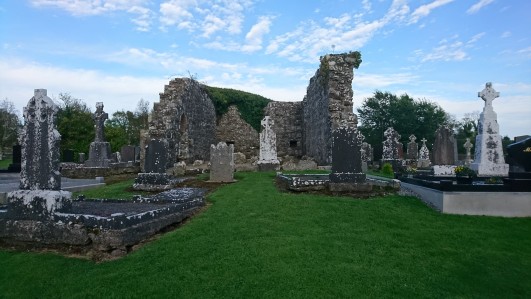
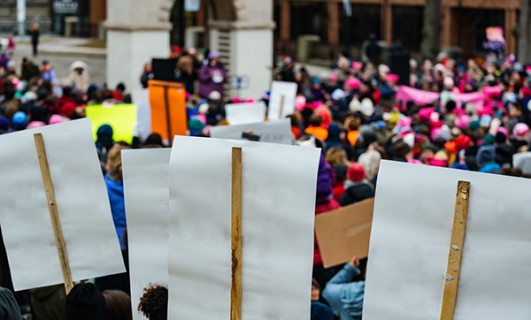
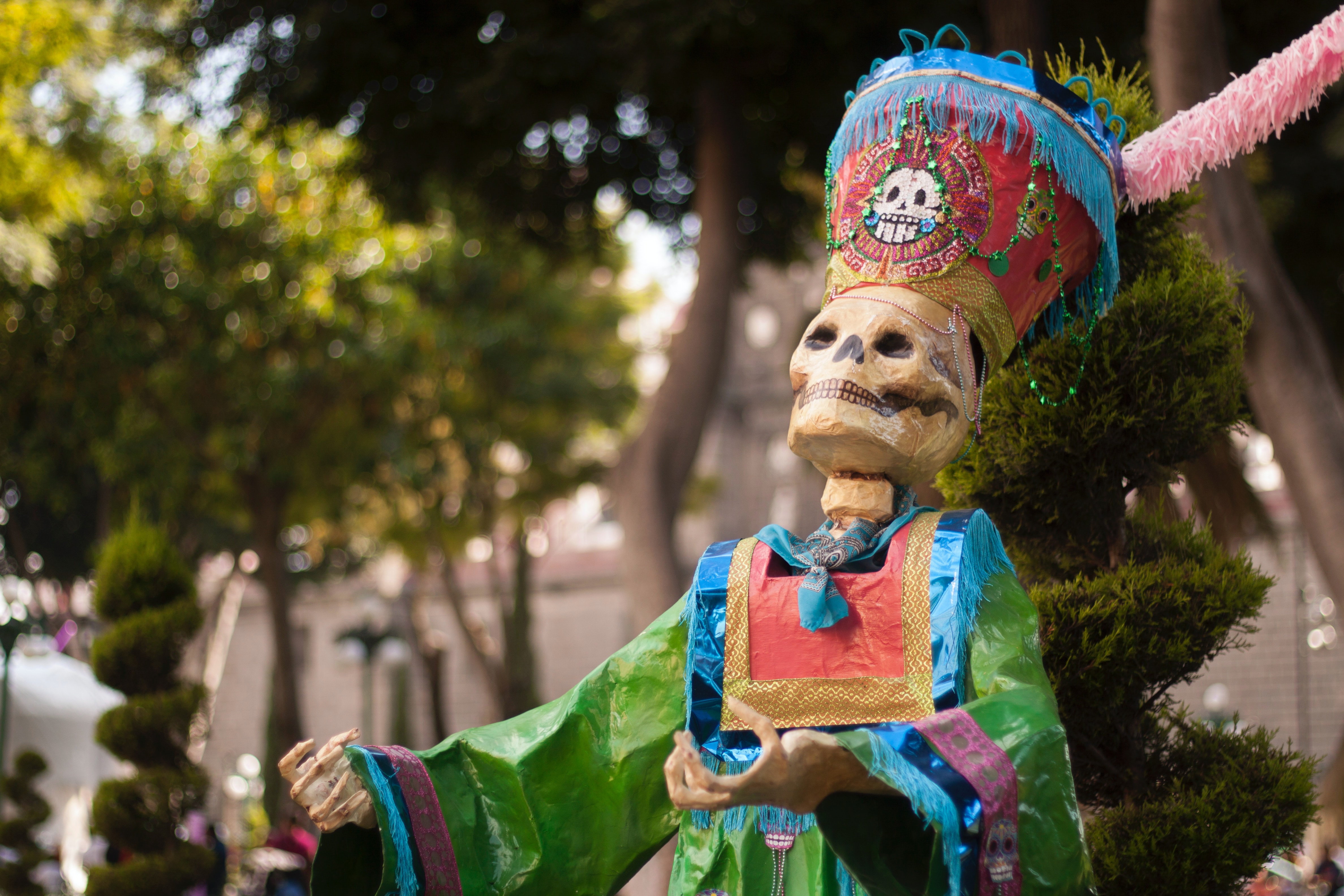
Although we all die, how we mark the end of a life varies between places and cultures. This article and associated animation explores different customs and traditions that people around the world perform in relation to death.

Find out more about The Open University's Health and Social Care courses and qualifications.

Rituals can be an incredibly important feature of what happens after someone dies. There are often specific rituals – rites, ceremonies, or practices – and actions that are performed to mark the death. Some are designed to help the departed in their transition between the humanly world and the afterlife. Some rituals can help reduce the anxiety or distress of the bereaved, giving them something to focus on and a way to connect with those around them. And whilst we may often think of rituals as being ‘traditionally’, many are constantly evolving and are shaped by shifting cultural values and technology.  

So, which country has professional mourners and where were funerals live-streamed before the practice became so popular during the Covid pandemic? You can find out more in this short cartoon, where Dr. Erica Borgstrom explores some of the different customs and traditions that people throughout the world perform in relation to the end of life.


PDF document Transcript 17.9 KB


Become an OU student

Author

Ratings & Comments

Share this free course

Also in Centre for Open Thanatology Hub

Life or Death Decisions activity icon

Health, Sports & Psychology

Life or Death Decisions

Ever heard of advance care planning? Setting out what you’d want to happen to you if you became too unwell to make your own decisions doesn’t have to be morbid but can be incredibly helpful and give you peace of mind. Find out more in this interactive video simulation…

Activity
20 mins
Ancient ideas: where does the soul go? article icon

History & The Arts

Ancient ideas: where does the soul go?

Humans have grappled with the question of what happens after death for millennia. Across the ancient world, many different cultures developed their own answers and underworlds. The Ancient Greeks had several theories about what might come next.

Article
5 mins
Between life and death: what Halloween reveals about our fear of the afterlife article icon

Health, Sports & Psychology

Between life and death: what Halloween reveals about our fear of the afterlife

From ancient Samhain rituals to the words of medium Doris Stokes, this article explores how Halloween reflects our enduring fascination with death, the afterlife, and what lies beyond the veil.

Article
5 mins
Do we have a right to die? activity icon

History & The Arts

Do we have a right to die?

Do we have a right to die? What are the moral and ethical implications of assisted suicide?

Activity
5 mins
Telephone bereavement support: does it work? article icon

Health, Sports & Psychology

Telephone bereavement support: does it work?

Experiencing the death of someone close can be profoundly impactful. As human beings, we are wired for relationships. In short, we need each other. Here Andy Langford shares insights about telephone support following a bereavement.

Article
10 mins
What should I expect when I am nearing the end of my life? article icon

Health, Sports & Psychology

What should I expect when I am nearing the end of my life?

Death is part of life and is something we all need to face; not only our own death, but the deaths of those around us. Many of us are unprepared for this major event in our lives.

Article
5 mins
Life After Death video icon

History & The Arts

Life After Death

Suzanne Newcombe discusses what happens to us after we die in this short video..

Video
5 mins
Ambiguous loss: what it is and why is it important? article icon

Health, Sports & Psychology

Ambiguous loss: what it is and why is it important?

Maybe you’ve felt a profound sadness and hope about something at the same time, but unsure if that is grief. Explore this further with Neil Thompson’s examples about ambiguous loss and what it means.

Article
5 mins
Teaching the First World War free course icon level 1: introductory icon

Education & Development

Teaching the First World War

This free course, Teaching the First World War, is designed for history teachers and their pupils. It provides a wide range of visual, textual and oral sources to enrich the teaching of the First World War. It covers familiar and less familiar aspects of the history of the First World War, ranging from the debate on the origins of the war and ...

Free course
12 hrs

Copyright information

Skip Rate and Review

Rate and Review

For further information, take a look at our frequently asked questions which may give you the support you need.

Have a question?