
.jpg)
Find out more about The Open University's Health Sciences courses and qualifications.
For many people in the Northern hemisphere, the colder and shorter days of the winter months can be a more challenging time of the year and the arrival of spring brings a renewed sense of joy and energy.
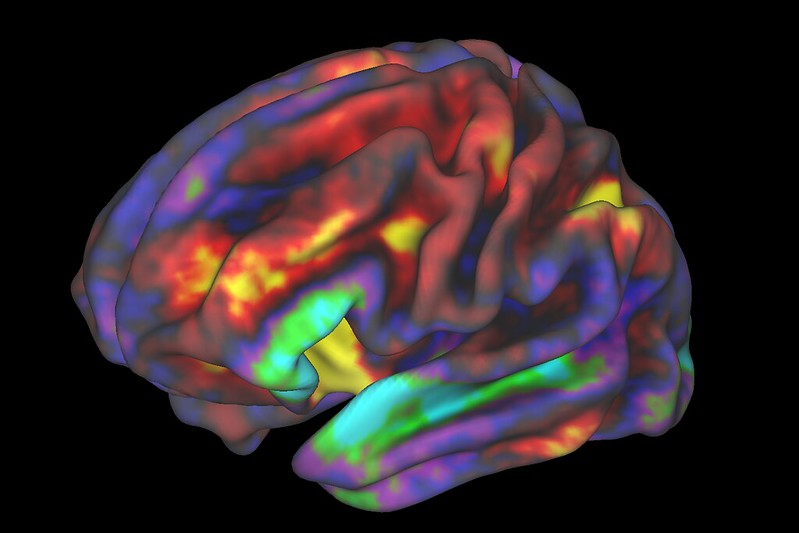
One of the key factors for this is the amount of sunlight we get in spring compared to winter. As sunlight hits the retinas at the back of eyes, a signal is sent to the brain to increase the manufacture of serotonin. Serotonin is a key brain chemical which has many important functions throughout the body, but importantly helps improve mood, memory, motivation, sleep and digestion, and reduces stress (Bamalan et al., 2023).
As well as increasing serotonin in the brain, sunlight also reduces melatonin. Melatonin is produced towards the end of the day as darkness falls and is an important brain chemical in the sleep–wake cycle. It makes us feel sleepy, while lowering our body temperature and reducing alertness, all of which helps us fall asleep. However, in the winter months, the earlier onset of nightfall means we have more melatonin which can make us feel tired, sluggish and want to sleep more. As the days get longer in spring, we produce less melatonin during the 24-hour period, and this leads to an increase in energy levels.
 This increase in our mood, energy and motivation because of higher serotonin and lower melatonin levels also makes it easier to spend more time outdoors in spring. As do the warmer and drier days! Researchers have found that spending as little as 10 minutes per day in nature lowers cortisol levels, a key hormone associated with the stress response (Hunter et al., 2019). So, being outside in nature more during spring in turn reduces our stress levels and is linked to improvements in our mental health. In fact, research has shown that being outside in nature is associated with increased happiness, better emotional wellbeing and mood, and feeling more sociable (Bratman et al., 2019).
Another important benefit of the increase in sunlight in spring is that we make more vitamin D. Like serotonin, vitamin D has many functions throughout the body, including mood regulation. Recent research by the National Institute for Health and Care Excellence (NICE, 2022) estimates that 40% of people in the UK have a vitamin D deficiency during the winter months. This can lead to symptoms of low mood or irritability, fatigue, poor sleep, weight changes, pain and poor immunity. Spending more time outside in the spring/summer months helps to return our vitamin D to a healthier level, again, helping to improve our mood and energy levels.
These improvements in mood, motivation and energy in spring also make it easier to exercise, and physical activity has many positive benefits on both our physical and mental health. Research studies have shown that physical activity can help to improve our self-esteem, cognitive function (memory, decision making, etc.), mood, and quality of life (Mahindru et al., 2023). All of which help to make us feel happier.
So, there are many interconnected factors which explain why we feel happier, more energetic and sociable in spring, many of which are related to the increase in sunlight and daylight hours. These factors also result in us naturally wanting to be more physically active and spend more time in nature, which again have mood-boosting benefits. Altogether these elements help to make us feel happier and more positive during spring!
Read more articles like this
-
A hug for the brain: what does it mean to have a happy, healthy brain?
Read now to access more details of A hug for the brain: what does it mean to have a happy, healthy brain?Dr Sinead Eccles explores the function of a healthy brain in regulating our health.
-
What makes people happy at work?
Read now to access more details of What makes people happy at work?Experts identify what makes workers happy - and why it's important.

-
Bumblebees
Read now to access more details of BumblebeesBumblebees need areas free of insecticide and with suitable wild flowers. Neonic pesticide has linked to long-term wild bee decline. Learn how to make your environment bee-friendly in this guide.

Like this? Try a FREE course
-
Supporting children and young people's wellbeing
Learn more to access more details of Supporting children and young people's wellbeingThis free course, Supporting children and young people's wellbeing, looks at some of the broader concerns regarding wellbeing and the idea that children and young people today are increasingly reporting feelings of unhappiness. By completing the activities, you will be introduced to different ways of understanding children and young people’s ...

-
Exploring issues in women's health
Learn more to access more details of Exploring issues in women's healthThis free course will introduce social model approaches to health and wellbeing, which take as their starting point not the scientific context of the body, but the social context in which women live. The focus is on women and the impact of social and cultural factors on women's health. The course touches on various issues concerning women's ...

-
Mental health in society
Learn more to access more details of Mental health in societyIn this free course, Mental health in society, you will explore and critically reflect on mental health. You will explore the relationship between the lived experiences of individuals, and the society and environment in which they live. Different perspectives, approaches and models of understanding and critiquing mental health will be explored ...

Rate and Review
Rate this article
Review this article
Log into OpenLearn to leave reviews and join in the conversation.
Article reviews