

Over the last three decades, we have witnessed something approaching a paradigm shift in mental health: from an approach dominated by pathology, diagnosis and professional expertise towards one increasingly shaped by people’s lived experience, recognition of personhood, developing partnership and a respect for people’s right to define and direct their own recovery.
Having spent a combined 60 years working across mental health nursing, and health and social care education, we have lived and worked through much of that shift. Perhaps the best way we can describe what we have seen is a movement from labelling to listening.
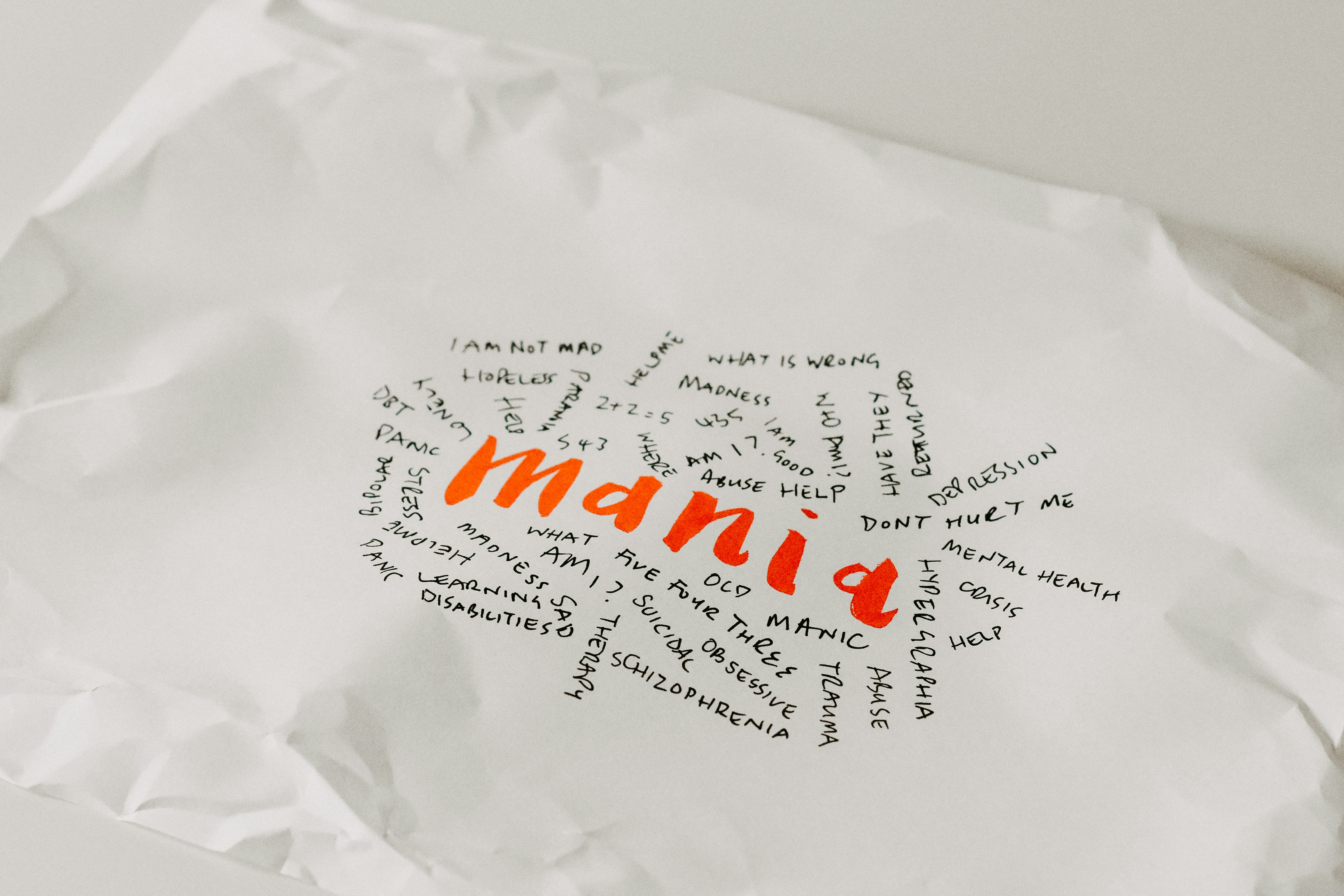
There was a time in practice when we might meet the label before we met the person.
In many pressurised mainstream services, we remember how people were commonly labelled as “a schizophrenic”, “a manic depressive”, “a self-harmer”, “a personality disorder” or even just “difficult”.
This did more than describe an aspect of someone's experience; it could become the lens through which everything else about them was understood. Assessment gathered symptoms. Symptoms led towards diagnosis. Diagnosis directed treatment, and that treatment was often medical and service-led professional expertise carried considerable authority over how the person's experience was understood.
Of course, diagnosis has not disappeared, nor are we suggesting that it should. For some people, receiving a diagnosis can provide explanation, validation and a route to treatment. Mental health services still need ways of understanding and resourcing serious psychological distress.But it seems that increasingly the diagnosis no longer automatically gets the first word. The person enters the room first. That changes the relationship and the decision making.
Rather than “What symptoms do you have?”, we are interested in
- What is happening in your life?
- What does this experience mean to you?
- What do we need to know to help and support you?
- What matters to you?
- What do you need from us?
Trauma-informed approaches have contributed to that changing lens. Distress does not occur in a vacuum. Understanding someone's mental health means being curious about their experiences, relationships, losses, trauma, community, culture and circumstances, not simply identifying symptoms and attaching a diagnostic label. However, asking questions is only part of it. The important part is what happens next. We have to listen.
Listening means allowing somebody's account to challenge our own. It means accepting that professional knowledge is not the only knowledge in the room. We may have expertise about mental health, but the person sitting opposite us has expertise in what it is like to live their particular life. This represents quite a profound shift: from controlling towards collaborating; from professional power towards shared understanding.
But we need to be careful about congratulating ourselves. There are still many challenges in practice. Compulsory treatment is still commonplace in hospital settings along with other restrictive practices. Have we really moved from labelling to listening, or have we simply become better at saying that we listen or saying that listening matters?
It is perhaps easier to listen when someone's story fits with our professional or personal understanding. It becomes harder when the person is experiencing acute psychosis; they are frightened or angry or perhaps just railing against an establishment that is not working for them.
What people say can be difficult, unwanted and uncomfortable, as much as it is valuable. However, if we can still listen under these circumstances, without judgement or fear, and act with compassion and genuine shared purpose this may be the real test of how far we have travelled.
This year's World Mental Health Day message arrives at exactly the right moment. We have become much better at encouraging people to talk about mental health. The next challenge is making sure that we hear what they tell us. It means resisting the temptation to find a solution which confirms what we already have in mind or diminishes the person’s voice.
Moving from labelling to listening does not mean abandoning diagnosis or professional expertise. It means putting them in their proper place. The person comes first, and their story comes before our interpretation of it; before we decide what somebody's experience means to professionals, we must listen to what it means to them. And it is worth keeping in mind that mental health professionals do not have immunity from experiencing our own mental health challenges. We are all people – there is no us and them.
As Mental Health UK asks us to remember on this year's World Mental Health Day: It is good to talk. But it is even better to be heard (Mental Health UK 2026).
Try a related free course
-
Supporting adult learners’ positive mental health
Learn more to access more details of Supporting adult learners’ positive mental healthThis free course provides educators with an introduction to adult learners’ mental health. The course is designed to develop understanding of the impact mental health has on learning, as well as to explore the variety of strategies that can be employed to support adult learners experiencing a range of mental health related challenges.

-
Work and mental health
Learn more to access more details of Work and mental healthAlthough being at work during periods of mental illness can be difficult for those with mental health problems, most people with these difficulties could take paid employment if it were not for numerous barriers in the workplace and the wider community (Centre for Mental Health, 2013). In this free course, Work and mental health, you will look ...

-
Exercise and mental health
Learn more to access more details of Exercise and mental healthEach year thousands of pounds are spent on medications to treat conditions such as anxiety and depression. These medications often have negative side effects. Exercise is an alternative treatment that is low cost and has few side effects. In this free course, Exercise and mental health, we will look at the links between exercise and improved ...

Rate and Review
Rate this article
Review this article
Log into OpenLearn to leave reviews and join in the conversation.
Article reviews