
Session 3: Race in the primary years
Introduction
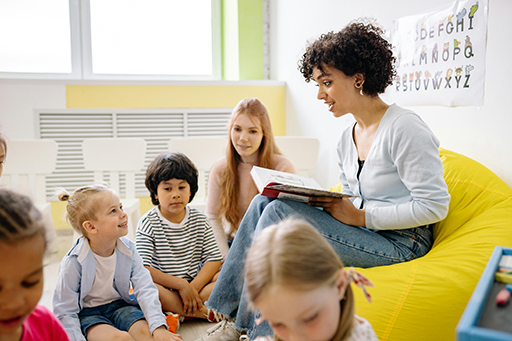
As children transition into the primary years, their understanding of race and racial identity becomes more complex. After the Early Years, where children begin to notice physical differences like skin colour, primary-aged children begin to understand the social meaning behind these differences (Aboud and Levy, 2018; Hirschfeld, 2008). During this stage, children start forming stronger ideas about their own racial identity, as well as the racial identities of their peers.
This period is crucial for identity development, as children spend more time in social environments where they encounter a diverse range of perspectives and experiences. Children are surrounded by influencers missing from glossary (and not just the social media kind) such as teachers, parents and carers, friends and the media, who all have a role in shaping how they see themselves and others. Schools become especially important because children spend much of their time there. Teachers, lessons and the school environment can either build children’s confidence in their racial identity or leave harmful stereotypes unchallenged (Katz and Kofkin, 1997; Brown and Bigler, 2005).
Peer relationships also gain importance at this stage, often influencing children as much as adults do. Positive friendships can promote empathy and inclusion, while exclusion or racial bullying can undermine a child’s sense of belonging (Williams et al., 2020). The ways in which race is discussed, or avoided, at school and at home therefore matter greatly.
This session explores how racial identity develops in the primary years, the roles that schools, peers and families play in shaping this process, and practical steps for addressing bias, stereotypes and racism. It aims to equip both educators and parents with strategies to create environments where all children feel represented, respected and able to talk openly about race.
By the end of this session, you should be able to:
- explain how racial identity develops during the primary school years and how it differs from earlier childhood
- analyse how schools, teachers, peers and families shape children’s experiences of race and belonging
- develop practical strategies to address racism, stereotypes and bias at home and in school settings
- evaluate the importance of inclusive curricula and representation in fostering positive racial identity and challenging prejudice.