
5 Concluding thoughts
You have now come to the end of this OpenLearn course. In the following video, you’ll hear from the course author.
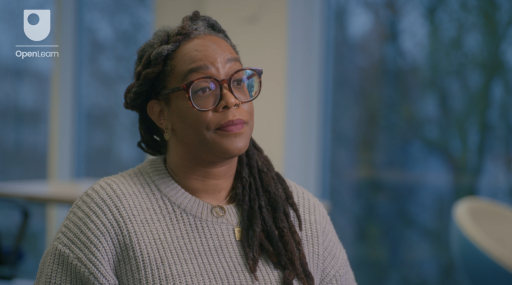
Transcript: Video 3 Mel Green sums up the course
[MUSIC PLAYING]
MEL GREEN
Congratulations on completing this course. I hope you found it useful and interesting thinking about how race and racism may affect the children and young people you know or work with. The issues raised in this course hopefully made you reflect.
But these are not exhaustive. You may have found yourself in situations that have not been covered in the course content. However, I do hope you’ve had the chance to think about and apply the theories and reflections to your own context.
You may think your contribution to eradicating racial discrimination for children and young people is small or that these scenarios are not completely relevant to you, as you may not work with racially minoritised children. However, as parents, carers, educators, or professionals who have access to the next generation, I hope you’ve begun to think about how you can affect change and develop your worldview to effectively support the identity development of the young people you interact with.
Remember, this work is not just for the racially minoritised. All children develop a racial identity. And with your help, this can be a positive experience. So recognise your worth and the change you can make. And thank you for bringing your knowledge and experience and wisdom with you to this course. I wish you all the best on your anti-racist journey. Bye.
This final session brings together your learning from across the entire course. You began in Session 1 by examining your own positionality and understanding how your identity shapes how you see and respond to the world. Sessions 2, 3 and 4 took you through the developmental journey that racially minoritised children experience, from early years through primary and into secondary education, revealing how racism manifests differently at each stage.
Now, in Session 5, you’ve moved from understanding to action. You’ve explored how race intersects with SEND to create compound challenges, examined three evidence-based interventions, and heard from experts about the ongoing nature of this work.
Consider your growth:
- How has your understanding of your own positionality evolved since Session 1?
- What surprised you most about how racism affects children at different developmental stages?
- Which intervention, restorative approaches, trauma-informed practice, or cultural competence training, feels most relevant to your context and why?
- How do the experts’ insights about complexity and ongoing commitment challenge or support your initial expectations about anti-racist work?
Your ongoing commitment
The course journey from positionality through developmental stages to practical application reflects the reality that anti-racist practice requires both self-awareness and sustained action. Dr Tembo’s reminder that ‘the work continues even when the attention wanes’ applies not just to current trends, but to your personal development as someone committed to equity.
Reflective prompt
Looking back across all five sessions, what is one specific commitment you’re making that builds on your learning journey? How will you hold yourself accountable to this commitment in the weeks and months ahead?
The children and young people you encountered through Frances Akinde’s story, the statistical evidence, and the expert insights deserve educational environments that recognise their full humanity and potential. Dr Mngaza’s emphasis on ‘assets in difference’ and ‘cultural gifts’ provides a strengths-based foundation for the challenging but vital work ahead.
Your learning doesn’t end here: it continues in every interaction, every policy discussion, every moment when you choose to examine assumptions or advocate for equity. The course has equipped you with frameworks and perspectives, but the real work happens in your daily practice.
Thank you for engaging with these essential topics and committing to ongoing growth in this crucial area of work.