
Find out more about The Open University's International studies courses and qualifications.
What do we mean by international order? Put simply, this is the collective set of rules, agreements, ideas and institutions which govern how international relations between states operates. For decades the so-called liberal, or rules-based international order has been the only game in town. However, this is a very Western-centric way of understanding a particular vision of a world with the United States and its allies firmly in charge of setting global agendas.
Several academics in the Open University’s Politics and International Studies (POLIS) department have expertise in non-Western perspectives on international relations. For states such as China, Russia and Iran, international order – or their aspirations for how the world should look – can be very different from what is seen in the West. This article delves deeper into how these states understand international order and the changes they’ve experienced over the last twenty years.
China
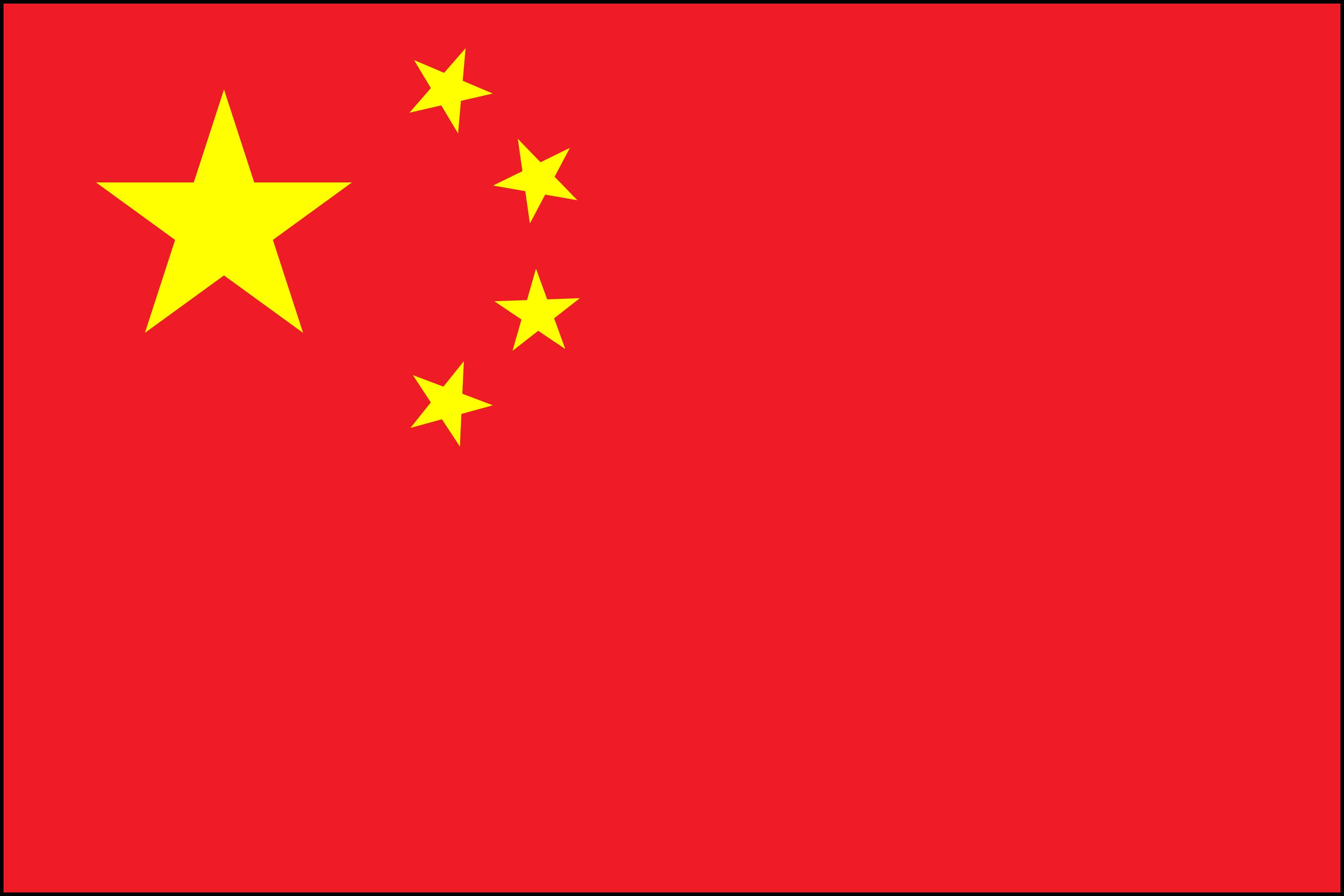
China’s approach to the international order has evolved considerably since 2006.
From the notion of ‘peaceful rise’, which characterised the early 2000s, to ‘striving for achievement’, associated with Chinese President Xi Jinping since 2013, the last twenty years have witnessed China increasingly seeking to influence how the international system works and what principles should underpin it.
While China has repetitively given its allegiance to the United Nations and globalisation to help support its gigantic export needs against a slow domestic consumption, it has simultaneously established its own institutions, such as the Shanghai Cooperation Organisation (SCO) and the Asian Infrastructure Investment Bank (AIIB), as well as promoted its own visions of international relations through a number of initiatives.
These include the Belt and Road Initiative (BRI), launched in 2013, focused on infrastructure, trade and investment, to the more recently announced Global Development Initiative, Global Security Initiative and Global Civilisation Initiative. Together, they set out Beijing’s own vision for international cooperation on development, security and relations among countries.
Some of the key tenets China has promoted are non-interference in other countries’ domestic affairs, respect for national sovereignty and opposition to what it describes as Western dominance and unilateralism. These principles appeal to governments that are wary of external pressure, although critics argue that China’s own growing influence can also create new dependencies.
An important part of this approach is an appeal to the Global South, with China presenting itself, at least rhetorically, as an equal partner that can offer investment, development opportunities and a greater voice for Global South countries in global affairs.
As this brief overview has shown, there are multiple ‘Chinas’ coexisting at the same time when it comes to the international order: a pragmatic China that seeks to uphold the existing institutions when it suits its needs; an assertive China looking to establish its own values and norms internationally; and a rhetorical China presenting itself as the megaphone of the Global South. These are not necessarily competing visions, but different and sometimes overlapping dimensions of China's engagement with the international order.
Russia
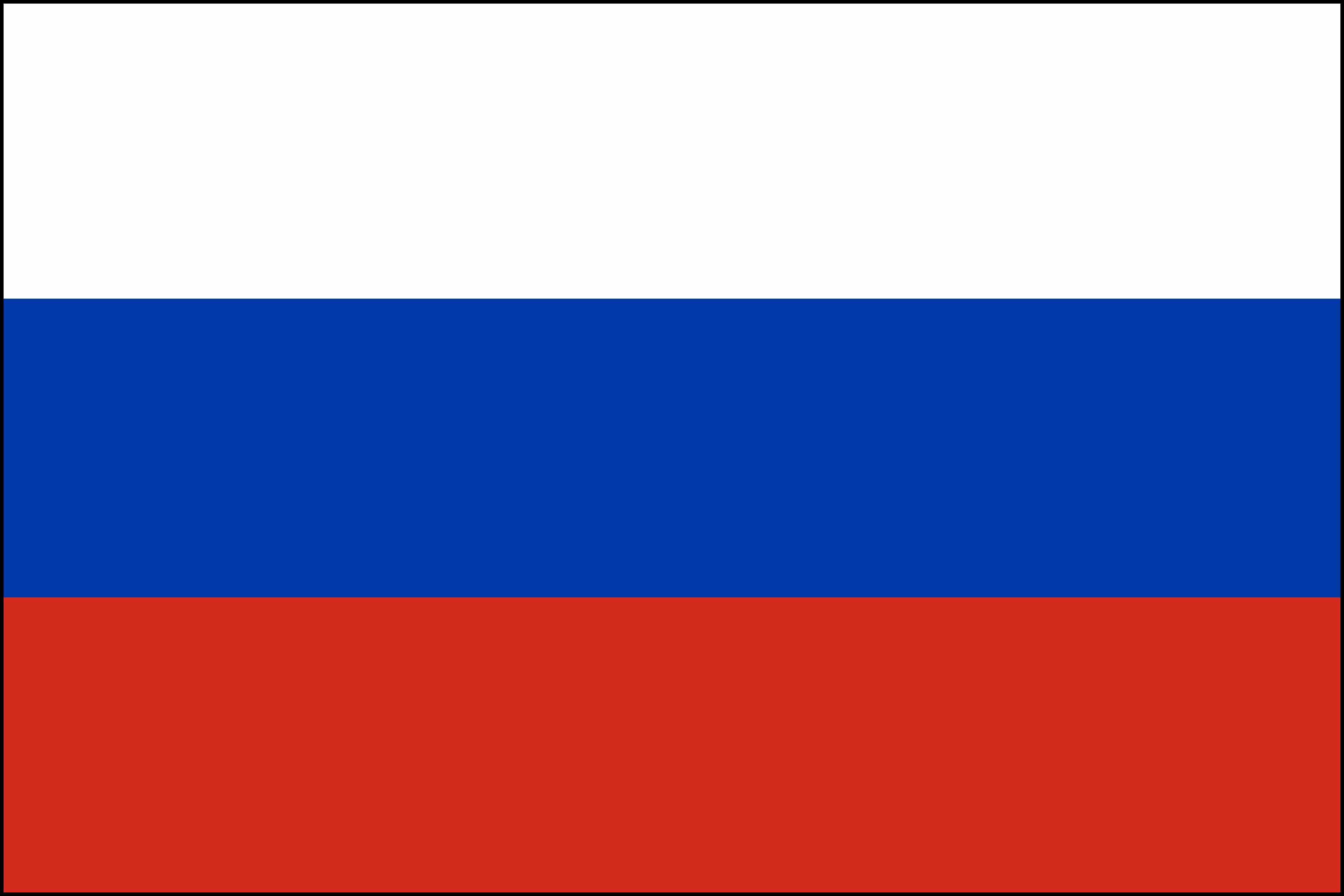
Russia’s relationship with the international order has been contradictory over the last twenty years. On the one hand, Russia’s foreign policy towards Europe has become increasingly aggressive. The first decade saw the fatal poisoning of British former Russian intelligence officer, Alexander Litvinenko, in London (2006), and military interventions in Georgia (2008), Crimea and Eastern Ukraine (2014). The second saw Russian state-sponsored poisonings in Salisbury (2018), and, of course, the full-scale invasion of Ukraine (2022).
Through all this, though, the Kremlin has maintained a vocal preference for sovereignty, collaboration and consensus within a ‘rules-based international order’. The basic rationale is that the current international order was set up by the West and for the West, and that the West is actively resisting the inevitable global transition towards a more representative, multipolar, world order.
From Russia’s perspective, the rapid economic growth of the so-called ‘rising powers’ throughout the 2000s was not just economically, but also geopolitically significant. In 2008, it joined with Brazil, India and China in converting an investment acronym – BRIC – into a political organisation. By 2026, this organisation (now BRICS) had expanded to include 11 members, 10 partner states and its own development bank and international media network. BRICS promotes multipolarity as route to ‘a more representative, fairer international order’.
This suits Russia. BRICS magnified Russia’s diplomatic influence during the war in Syria and mitigated its geopolitical isolation after Crimea. Continued trade with BRICS states has helped Russia’s energy, arms and agrochemicals industries withstand the pressures of economic sanctions since the full-scale invasion of Ukraine.
Russia’s latest discourses on multipolarity go one step further, referring to a so-called ‘world majority’ of states that ‘have no binding relationships with the US or the organisations it patronizes’. Actively promoted through various media, cultural and religious activities around the world, time will tell how far the idea of the ‘world majority’ catches on.
Iran
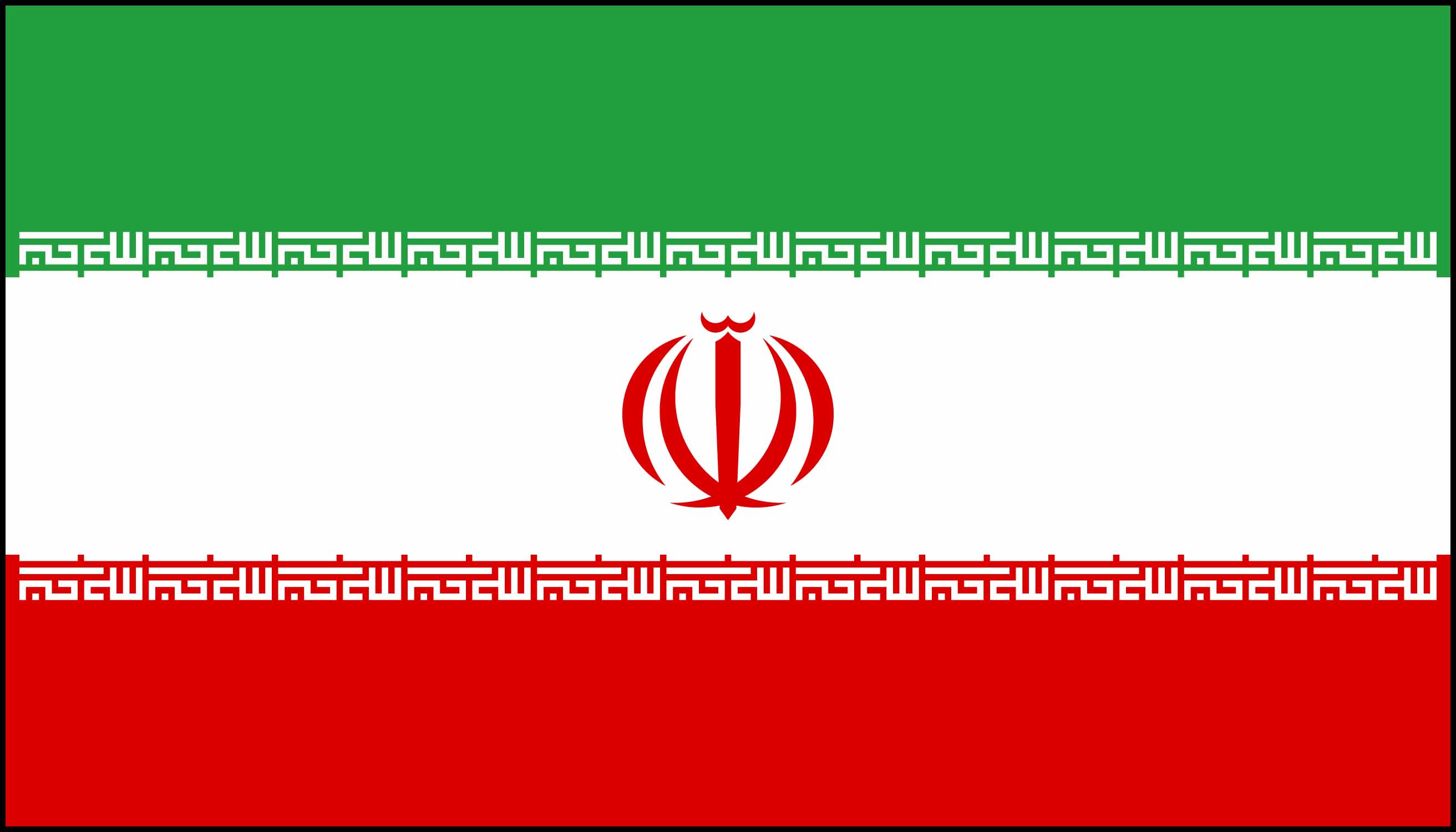
For Iran, the nuclear issue has been the primary bargaining tool employed by Tehran over the last twenty years in trying to remove some of the punitive economic sanctions that the US and its allies have imposed on it since the 1979 revolution that ushered in the Islamic Republic. Iran’s sense of unjust persecution by the West, famously illustrated by its revolutionary leader Khomeini’s casting of the US as the ‘Great Satan’, has shaped its commitment to what it desires in terms of a more just and multipolar world order. It also helps explain the close relationships it has built with Russia and China over the last twenty years. Ultimately, a world order led by a hostile US is a threat to its national security, and this has shaped Iran’s strategic thinking since 1979.
As such, Iran has frequently clashed with US and Israeli interests in the Middle East. This became particularly apparent in the 2010s, when Tehran worked on strengthening its own alliance network in the region, the Axis of Resistance. Made up of closely aligned political and sub-state actors in Iraq, Lebanon, Palestine and Yemen, this alliance network has formed a key plank of Iran’s strategic outlook and has been used to take the fight to the US and Israel. The current conflict is perceived in existential terms by the Islamic Republic and shows us how competing visions of regional and international order can clash with devastating effect.
Explore the other articles in this collection...
-
20 years in… What’s changed?
Read now to access more details of 20 years in… What’s changed?A lot can change in 20 years! From scientific discoveries and technological advances to shifts in society and culture, explore how different subjects have evolved since OpenLearn first launched in 2006.
Level: 1 Introductory
Rate and Review
Rate this article
Review this article
Log into OpenLearn to leave reviews and join in the conversation.
Article reviews