
My OpenLearn Profile
Personalise your OpenLearn profile, save your favourite content and get recognition for your learning
Recovery strategies in sport and exercise
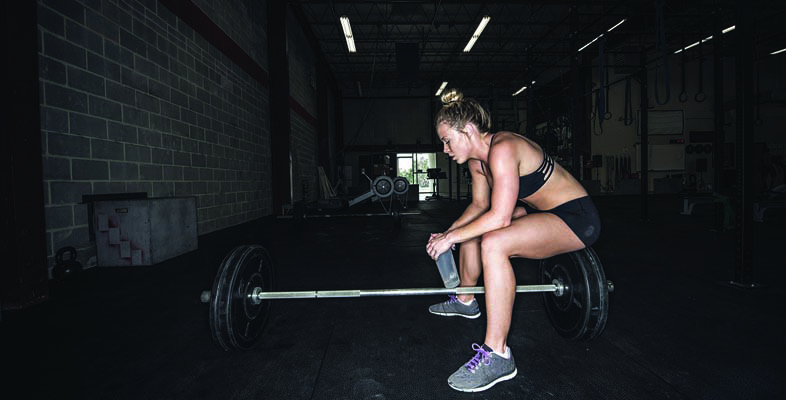
The ability to recover quickly from an intensive training session or match can be extremely advantageous to sports performers. Sport and fitness participants are increasingly using strategies such as ice baths and compression clothing to enhance their recovery from intensive exercise, but how effective are these strategies? Do they really speed up the recovery process? To answer questions such as these this free course ‘Recovery strategies in sport and exercise’ investigates the science behind recovery exploring the physiological processes involved in training and recovery and the potential role of recovery strategies.
Course learning outcomes
After studying this course, you should be able to:
- recognise the importance of recovery in an exercise programme
- evaluate the role of recovery strategies in sport and exercise
- identify the challenges of investigating recovery strategies.
First Published: 21/03/2016
Updated: 25/05/2018
Rate and Review
Create an account to get more
Track your progress
Review and track your learning through your OpenLearn Profile.
Statement of Participation
On completion of a course you will earn a Statement of Participation.
Access all course activities
Take course quizzes and access all learning.
Review the course
When you have finished a course leave a review and tell others what you think.