
.jpg)
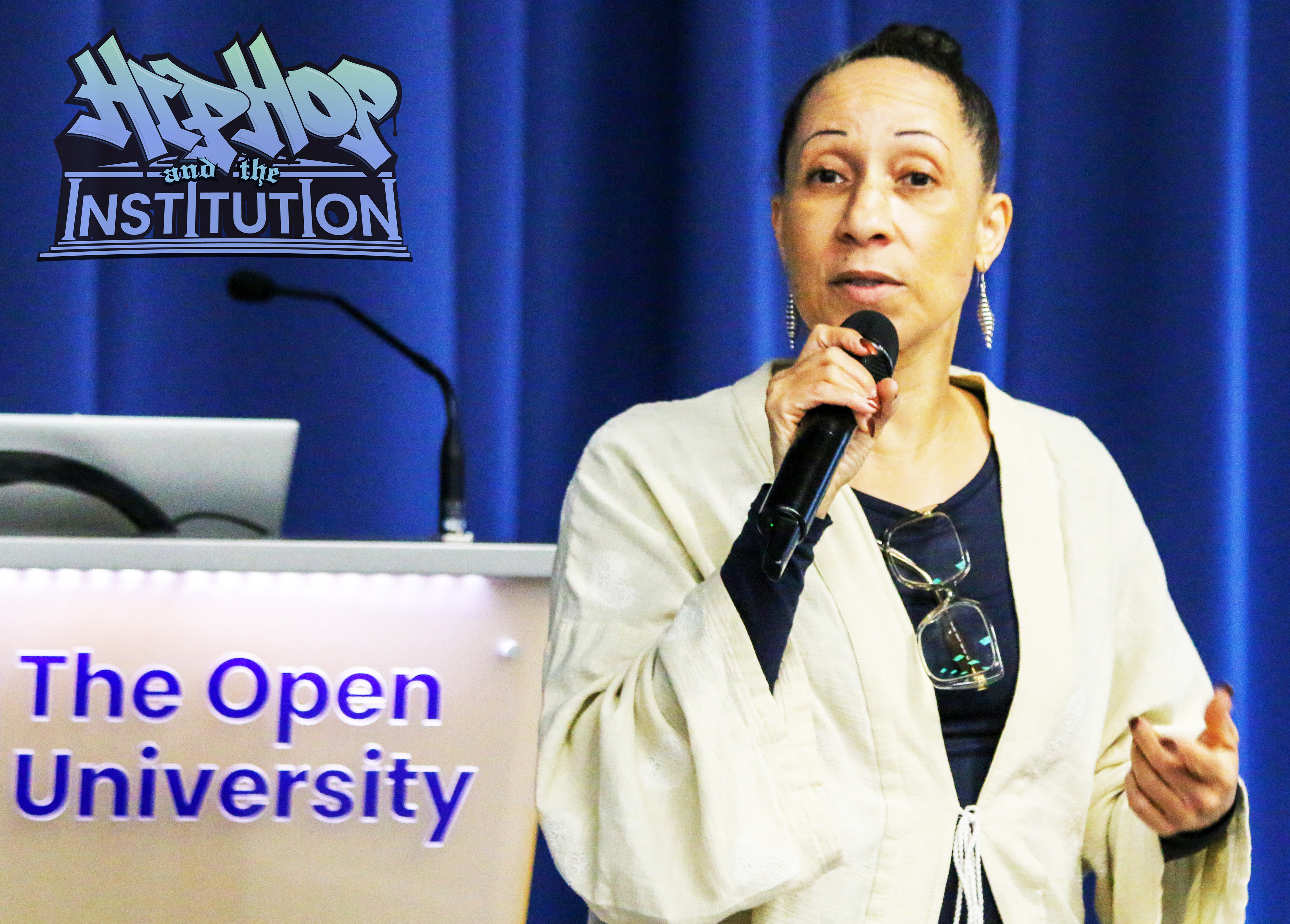
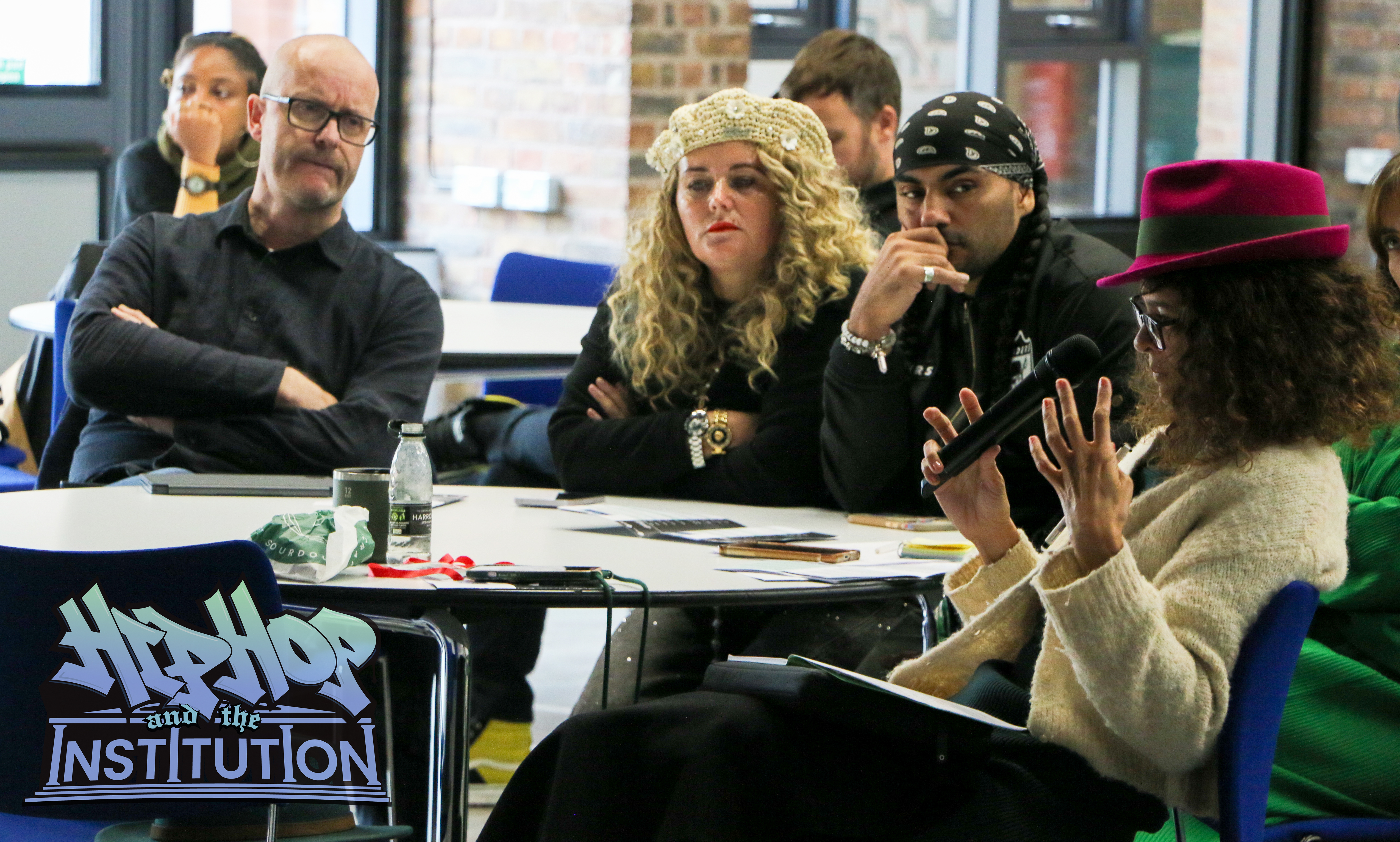
The Hip Hop and the Institution conference took place on Thursday 25th and Friday 26th September 2025 and marked the second hybrid event organised by The Open University’s Hip Hop Collaborative. The event consisted of a collection of presentations, performances, discussions, networking events, and featured keynote speeches and contributions from:
- Cookie Pryce (Cookie Crew)
- Dr Richard Bramwell (Loughborough University)
- Frederik Haan (MC Torch, Advanced Chemistry)
- Hanifa Mcqueen-Hudson (UKs 1st BGirl, Wolverhampton BBoys)
Hip Hop and the Institution also featured a collection of guest speakers and performers from across the globe. For a full list of contributors please refer to the events programme and book of abstracts below:
Hip Hop and the Institution symposium
The relationship between Hip Hop and the Institution is a thorny one. On the one hand, Hip Hop has gained recognition and financial support from institutions and it has also contributed to institutional change. To some extent, we can even say that Hip Hop has become an institution itself, if we think for example of hip-hop themed record labels, clothing brands, youth outreach programmes or university courses. On the other hand, though, Hip Hop activists have consistently critiqued the way the Institution uses resources, knowledge and aesthetics created by communities of Hip Hop heads without giving back anything of value to them. The Institution’s appropriation of Hip Hop has also led to divisions within the Hip Hop community, for example, when certain people and groups receive institutional funding but others are excluded. It has also exposed larger questions relating to Hip Hop’s participation in colonialism and capitalism.
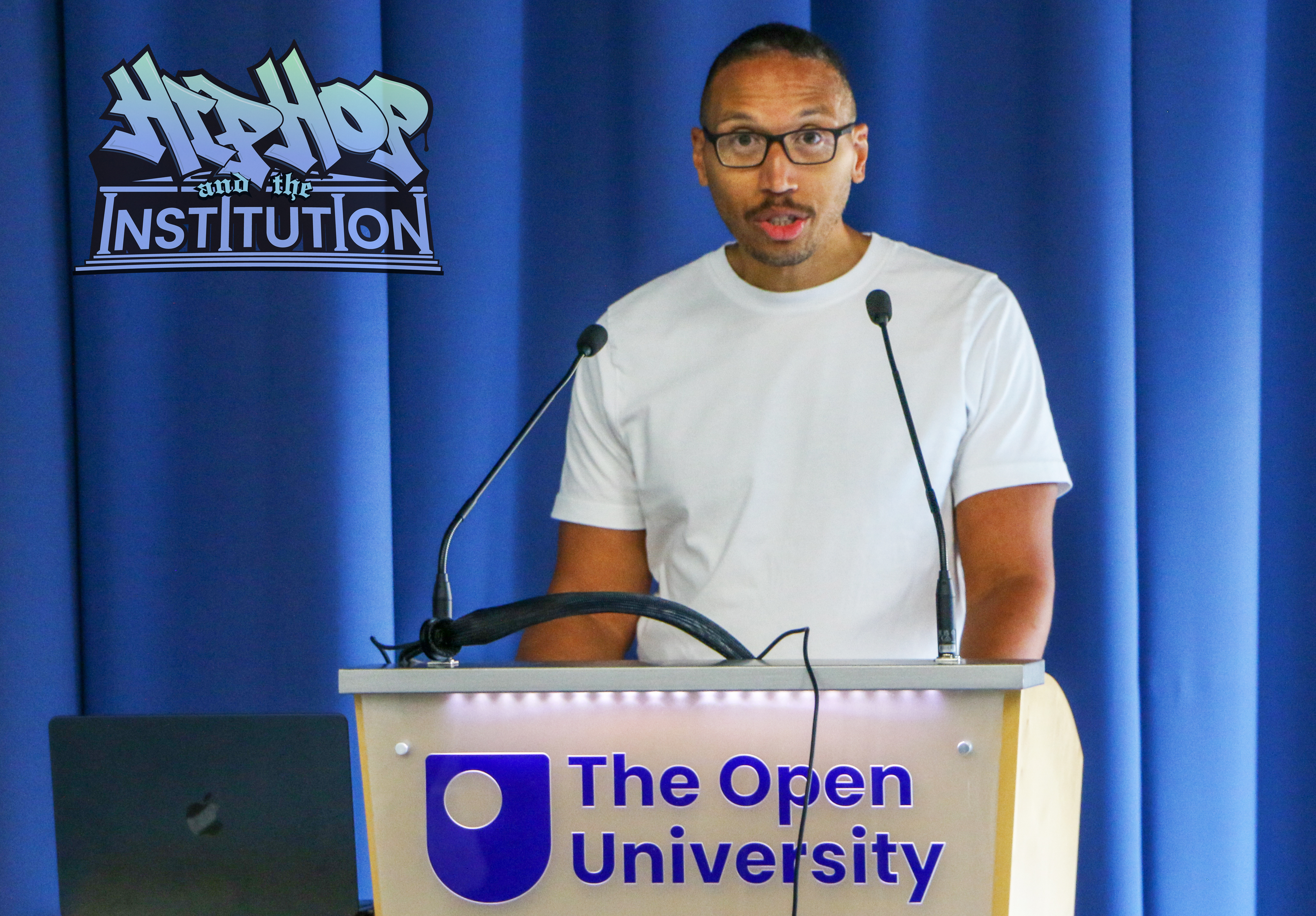
To explore such dynamics between Hip Hop and the Institution, around 80 scholars and practitioners have gathered for an intense two-day conference in Milton Keynes and online in September 2025. We have discussed Hip Hop as a culture that is rooted in African diasporic traditions and practices that have become a source of inspiration and identification for often disenfranchised people from across the world. And we have conceptualised the Institution as any formal structure of social organisation that has the purpose to legitimise and promote particular ways of living, types of knowledge and forms of relationships. An institution could be any such organisation, ranging from schools to prisons, from record labels to dance studios, from museums to universities, or from grassroots activist groups to the state’s global soft-power politics.
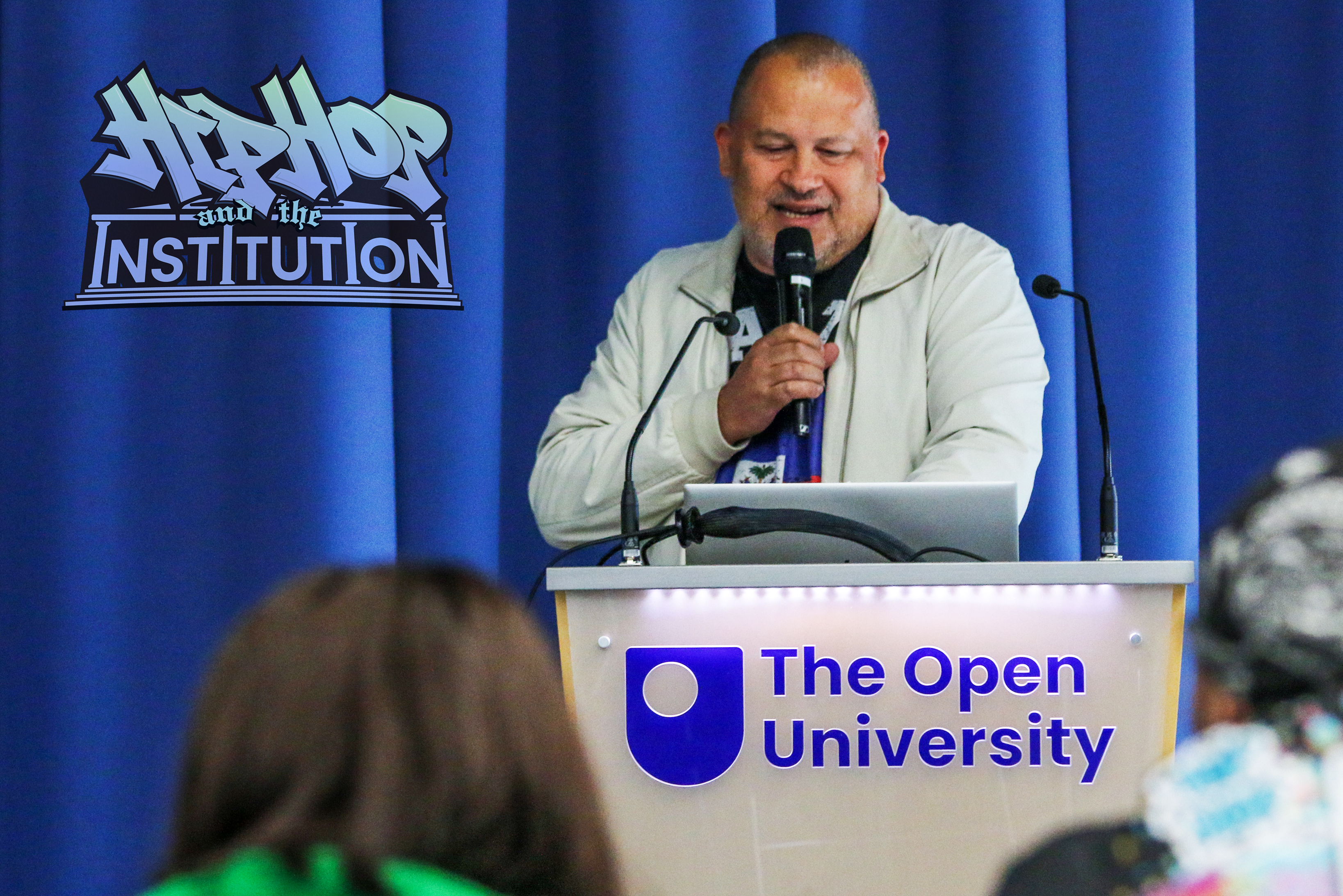
To develop and update our understanding of the dynamic connections between Hip Hop and the Institution, we have explored the following questions.
- What positive and negative effects result from Hip Hop becoming part of the Institution?
- Who benefits, at what cost, and who gets excluded?
- How can Hip Hop bring about long-lasting institutional change (e.g. decolonising the Institution)?
- Conversely, how can the Institution push for more equality and social justice within Hip Hop (e.g. promoting female practitioners)?
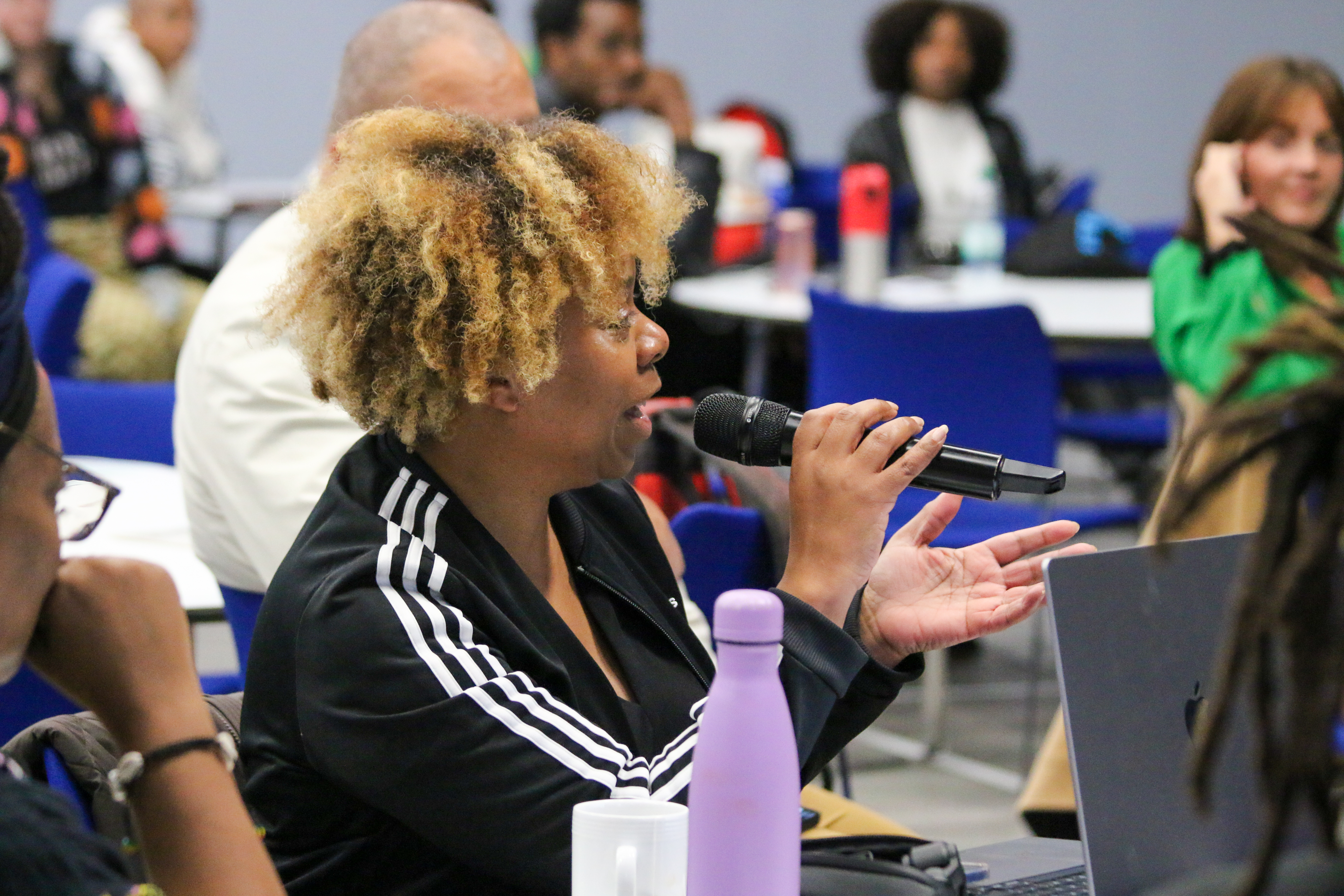
From participants' contributions and the discussions we had, it became apparent that Hip Hop heads have a deep-rooted – and in our opinion justified and healthy – scepticism when dealing with institutions. Yet, it also became very clear that hip hop scholars and those who identify as being of the Hip Hop culture can play an important part in bringing about institutional transformation (e.g. reforming criminal justice systems and educational practices or amplifying oppressed voices) and articulate political critique and push for social justice and decolonisation. With rising social inequalities, global threats like the resurgence of fascism, genocides and the climate collapse, the relationship between Hip Hop and the Institution will only become thornier, and so the conference has laid out the conditions under which mutual benefits can occur, and when not. In this way, the conference has provided us with clear avenues to imagine the future of Institutional Hip Hop and the Hiphopified Institution.
Networking Event
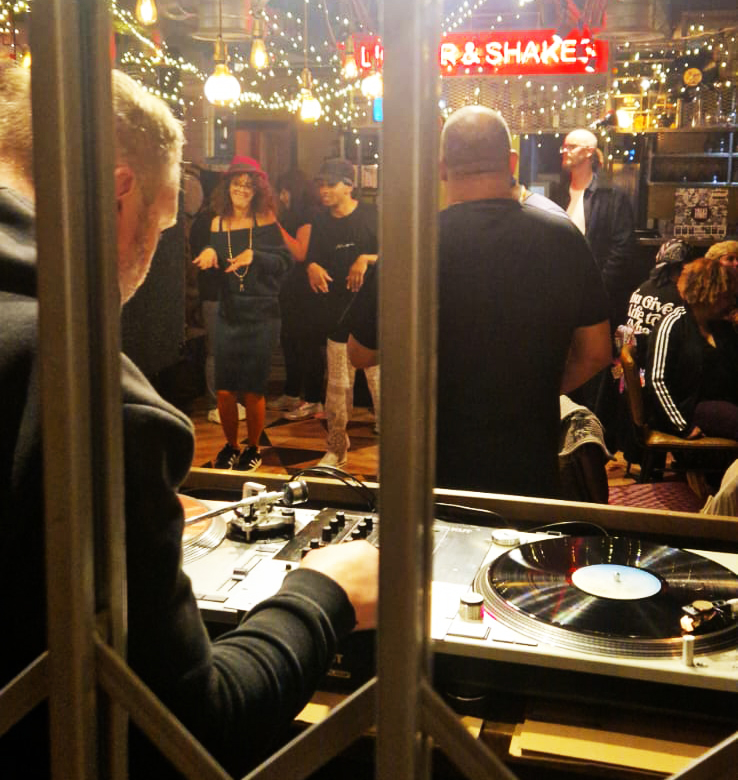
Hip Hop and the Institution concluded with a networking event\after party at Treat Street which is venue based in the MK1 area of Milton Keynes and a short distance from the Open University’s Walton Hall campus. The event was organised by Milton Keynes Hip Hop collective Breaktothebeat.mk and featured a host of local DJs, Rappers and Breakers. The venue’s graffiti backdrop, 1980s décor and street food was a perfect compliment for the conference and provided a great space for networking and conversing with the various speakers and organisers.
Conference Event Team
- Barry ‘DJ Kraze One’ Watson (Breaktothebeat.mk)
- Jaspal Singh
- Sas Amoah
- Natalie Pollard
- Marcus Young
Funding
This conference was generously funded by the Black, Minority, Ethnic Network, OpenLearn and the School of Languages and Applied Linguistics at the Open University.
Previous Events by The Open University’s Hip Hop Collaborative
Archiving Hip Hop: 50 Years in the making
To contact the conference team please email hiphop@open.ac.uk
Rate and Review
Rate this article
Review this article
Log into OpenLearn to leave reviews and join in the conversation.
Article reviews