
 article icon
History & The Arts
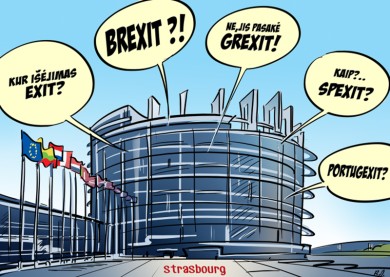
How Brexit Is Giving Rise To A New Wave Of Language Wars
Language is political, as Brexit and Trump demonstrate
 article icon
Society, Politics & Law
Dive deeper with these extra articles
If the themes and art of Who Are have made you hungry for more, here's some other articles to explore
 article icon
Society, Politics & Law
Thinking Outside the Box
Lisa Pilgram and Alena Pfoser in conversation with visual artist Laura Sorvala discuss how story-telling techniques can be used to tease out questions of belonging and community and how outputs can challenge simple ideas of ‘us’ and ‘them'.
 article icon
Society, Politics & Law
Homo Economicus, the East India Company and industrial espionage
A conversation between artist Laura Malacart and Open University researcher Sara de Jong on the intersections of identity and citizenship with economic history and language.
 video icon
Society, Politics & Law
Co-creating and mushing up identity with visitors to the New Union Flag project
Take the opportunity to reflect on aspects of audience participation and co-creation – this time young children.
 article icon
Society, Politics & Law
The New Union Flag project: from an object of agitation to a space for communication
Moving away from the red, white and blue to a new flag, representing a new nation.
 article icon
Society, Politics & Law
How can I learn from Who Are We?
There's much to discover - here's a starting point
 article icon
Society, Politics & Law
Could Donald Trump use his pardons to derail the Russian investigation?
Speculation is rife that Donald Trump may use his power of pardon to close down even the possibility of trials over his family's collusion with Russian actors. But can he do that - and what would it mean? Austin Sarat explores the limits of clemency.
 article icon
History & The Arts
The Odyssey: List of characters
The Odyssey includes an extensive cast list, both human and mythical. In this article Dr Emma Bridges gives us the lowdown on the main characters.
 article icon
Languages
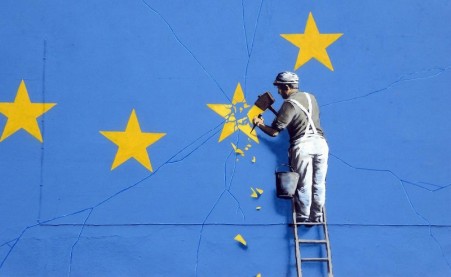
Brexiteers and Broflakes: how language frames political debate
How does our choice of words influence the path of debate?
 article icon
History & The Arts
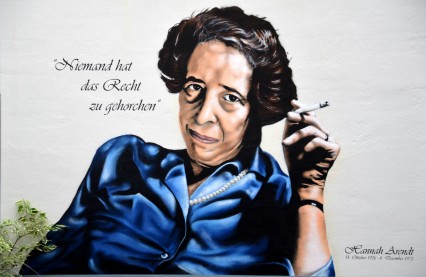
Why Study Philosophers?
Derek Matravers considers what makes someone a philosopher and what makes a philosopher representative.
 article icon
History & The Arts
How does JK Rowling use Latin and other classical languages in Harry Potter?
To create a sense of the long history of wizardry in the Potterverse, JK Rowling drew heavily on classical languages. The OU's Joanna Paul explores.