

2 Women in music studies
This section of the course will introduce you to women in music studies, to feminist musicology, and to broader issues surrounding music and gender. You will explore the reasons for the exclusion of women’s music from the canon of Western art music, traditional narratives of Western music history, and music education.
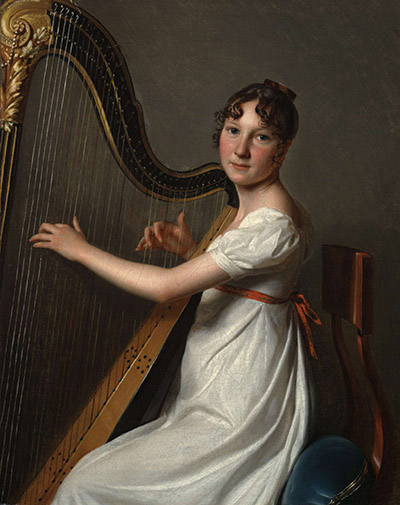
Feminist musicology can be understood as part of a broader set of scholarly trends that arose within Western academic music studies during the 1980s, often referred to as New Musicology. Scholars began to question whether the works included within the canon of Western classical music were actually the best, and the social factors which coalesced to invest these ‘canonic’ works with great cultural capital, while others – including music written by women – were excluded. Cultural capital is a concept developed by the influential French sociologists Pierre Bourdieu and Jean-Claude Passeron in the second half of the twentieth century (Bourdieu and Passeron, 1977). In their theory, cultural capital refers to the non-financial assets that people hold (such as education, skills, etiquette, knowledge/appreciation of the arts, particular manners of speaking and dressing, etc.) that tend to promote their social mobility. It can also refer to the prestige that certain works of art accumulate.
Activity 3 Naming composers and songwriters
Set a timer for two minutes. In that time, write down the names of as many women composers/songwriters as you can. Then, set the timer for another two minutes and write down the names of as many men composers/songwriters as you can. You are free to include examples from any genre or style of music.
| Women | Men |
|---|---|
Comment
Although the lists you compiled will be unique to you, and exactly who you included in them will very much be guided by your own personal musical tastes and knowledge, it is likely that the list of men composers/songwriters that you wrote was longer than your list of women composers/songwriters.