

2 State pensions
Limited state retirement pensions were first paid in the UK in 1908. These were improved in the 1946 National Insurance Act which brought in flat-rate universal state pensions (with effect from 1948).
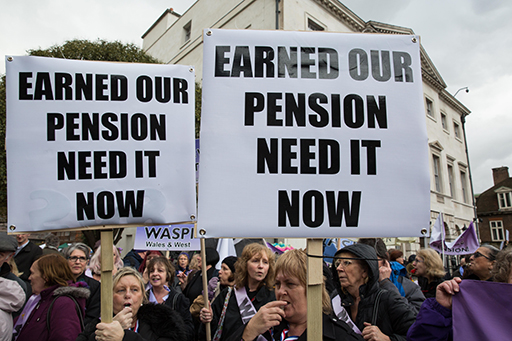
While various developments in state pensions have taken place since then, one aspect of policy has been to limit public expenditure on state pensions, given that they constitute the largest single item of government expenditure.
The UK government has implemented a staged increases in the state pension age. As noted earlier, at the time of writing, the state pension age is between 66-67. A gradual increase in the state pension age has been motivated by increasing longevity and the UK government’s objective of fiscal sustainability. One aim of these moves is that, on average, no more than a third of adult life should be spent in retirement. So, the longer the population lives on average,the higher will be the state pension age.
There are two state pension schemes in place in the UK. The ‘old’ scheme for those who reached state pension age before April 2016 and the new state pension scheme for those reaching state pension age from April 2016 onwards.
The State Pension scheme (pre-April 2016)
From April 2016, for those reaching the state pension age the state basic and additional pensions have both been replaced by a new state pension. For 2026/27, the state pension is £241.30 per week for a single person.
This is because entitlement to the state pension depends on paying, or being credited with, National Insurance Contributions (NICs) paid by employees and the self-employed during working life. Credits are given for certain periods out of work, such as being ill, or caring for children.
Many people have been ‘contracted out’ of the state additional pension, which means that this part of their state pension has been replaced by a workplace or personal pension scheme in return for reduced or refunded National Insurance Contributions. This reduces the amount of state pension they are entitled to.
People who reached state pension age before 6 April 2010 needed to have National Insurance Contributions (NICs) covering roughly nine-tenths of their working life to get the full ‘old’ basic state pension. This was subsequently changed to a 30-year contribution record.
For the ‘new’ state pension the required contribution record for the full amount is 35 years. You get a reduced pension if you have a shorter record of paying NICs. You also need a minimum of 10 years of contributions to get any state pension.
From 2011, the state pension has increased each year, bar one, with the higher of either earnings inflation, price inflation or 2.5%. Provided this policy, known as the ‘triple-lock’, is retained – and there is some doubt about this – the state pension should retain its value relative to earnings or even rise a little faster. The one year the triple-lock was not applied was for 2022/23 because of the distorting effect the pandemic had on earnings inflation.
One choice those approaching state pension age is to defer the date at which they start to receive the pension. This deferment could increase pension. Specifically, for every nine weeks of deferral the amount of state pension paid rises by 1% or for a full year of deferral (52 weeks) pension increases by 5.8% For details, please see Defer (delay) your State Pension: If you reach State Pension age on or after 6 April 2016 - GOV.UK Such deferral may be an attractive option for those planning to carry on working beyond their state pension age.