

2 Using forensic science at the crime scene
Forensic science could be crucial in the investigation of this crime. It can provide objective, scientific analysis of evidence associated with alleged activity and support justice outcomes for Dave, the accused, and ultimately for everyone. In this crime, if DNA and fingermark evidence (called traces) are recovered from the weapon it might potentially identify Dave’s attacker. Digital evidence might be used to locate the person who has Dave’s phone, laptop or tablet. However, these traces may also wrongly suggest individuals not associated with the attack if those individual’s DNA or fingermarks are on the weapon or if the cell tower data isn’t precise enough.
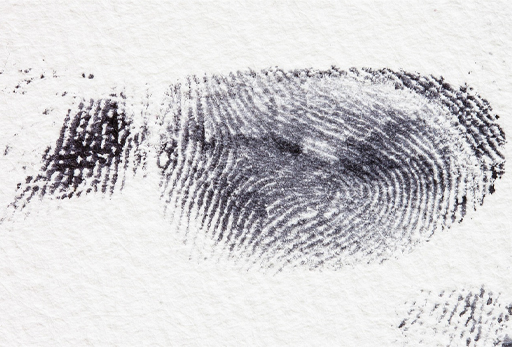
One of the key issues in forensic science is that the simple presence of traces of evidence may identify an individual or an object but will not necessarily determine how those traces got to the place from where they were recovered. Similarly, the absence of traces such as fingermarks or DNA does not necessarily rule out the involvement of an individual (as they could have been wearing gloves, for example).