
Conclusion
In the UK, forensic experts are meant to be independent (Crown Prosecution Service, 2024). Their duty is to the court, not to whoever hires them, which helps build confidence that the evidence they give is fair and unbiased. But trust in forensic science is not as simple as it sounds.
Over the past couple of decades, researchers and policymakers have raised concerns about how reliable some forensic techniques really are, and whether the system itself has the funding, structure, and expertise it needs (see Jhalani et al.’s 2025 paper for an overview).
Public expectations also play a big part. You might have heard of the ‘CSI effect’ or the idea that TV shows like CSI make forensic science look fast, foolproof and incredibly precise. In reality, it is often slower, more complex and less certain, which can lead to misplaced confidence (Chin & Ibaviosa, 2022).
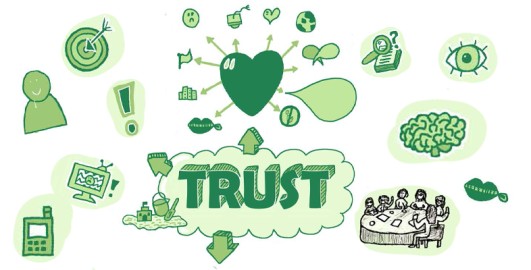
Healthy trust, or believing in forensic science and simultaneously scrutinising it, is key to ensuring justice is both done and seen to be done.
In this week, you were introduced to Dave and the crime committed against him. You learned what forensic science is, what trust is, and how people may or may not trust forensic science evidence as it is used in the CJS.
In the next session, the crime against Dave will unfold and you will hear directly from the police, forensic scientists, and others about how they work with forensic science in criminal cases.
Now go to Week 2 [Tip: hold Ctrl and click a link to open it in a new tab. (Hide tip)] .