

Session 3: Borrowing money
Introduction
Martin Lewis introduces Session 3 on borrowing, exploring the good and bad reasons people may have for getting into debt.
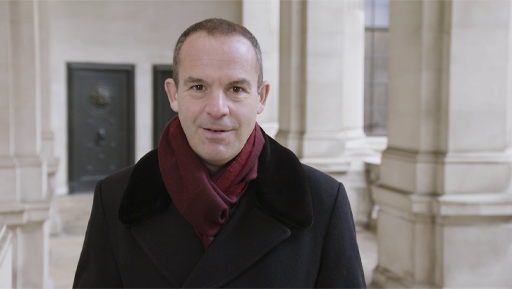
Transcript: Video 1 Introduction to Session 3
Household debt in the UK as a percentage of household disposable income has declined from 155.8% in 2008 to around 116% in 2025. However, the number of personal insolvencies has not changed substantially (there were over 35,000 personal insolvencies in the UK in 2025). Moreover, according to the Money and Pensions Service (MaPS), there are around 11 million people in the UK who are struggling with their bills and are using high-cost credit.
Given the above statistics, it is really important to understand how to make sensible borrowing decisions. This session of the course focuses on what you need to know to be able to borrow effectively on the best terms, and on what you need to do to make sure borrowing money is helpful, rather than the source of financial nightmares.
You will also see that the ability to borrow and the cost of borrowing are determined both by things you have some control over (such as your financial position and credit history, which affect your attractiveness as a borrowing customer) and things which you cannot control (like the prevailing level of interest rates).
After studying this session, you should be able to:
- understand who you can borrow from and what products are available
- understand what affects your credit score and what you can do to manage it
- know when borrowing is sensible and when it is reckless
- understand what determines the cost of borrowing money
- understand the relative cost of different ways of borrowing.
This Session is one of a suite comprising the course MSE’s Academy of Money and has been made possible by financial and content contributions by MoneySavingExpert.com.