
My OpenLearn Profile
Personalise your OpenLearn profile, save your favourite content and get recognition for your learning
Studying mammals: Plant predators
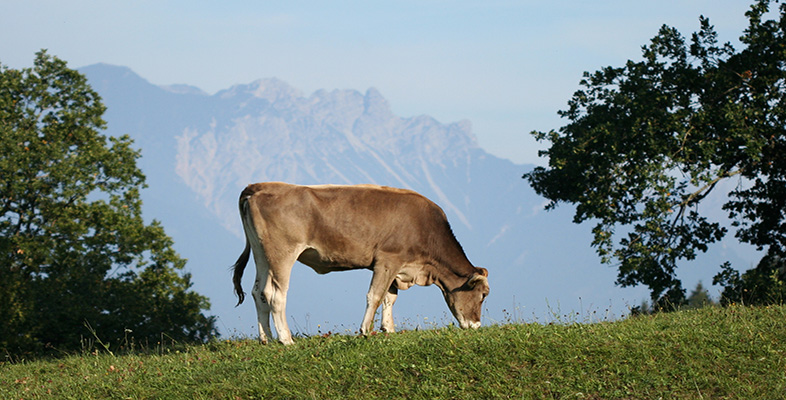
From the mouse-deer to the elephant, plant eaters come in all shapes and sizes. But how do they manage to flourish on a salad diet? In this free course, Studying mammals: Plant predators, we will examine the special features that allow them to extract their nutrients from leaves, and see how some plants protect themselves from these predators. This is the fourth course in the Studying mammals series.
Course learning outcomes
After studying this course, you should be able to:
- describe the particular problems in digesting plant material
- give examples of the ways in which teeth are modified for a herbivorous diet
- explain the importance of digestive enzymes
- explain the importance of microbes in digesting plant material
- compare the main features of the digestive systems of ruminants and hindgut fermenters.
First Published: 09/08/2012
Updated: 30/06/2026
Rate and Review
Create an account to get more
Track your progress
Review and track your learning through your OpenLearn Profile.
Statement of Participation
On completion of a course you will earn a Statement of Participation.
Access all course activities
Take course quizzes and access all learning.
Review the course
When you have finished a course leave a review and tell others what you think.