
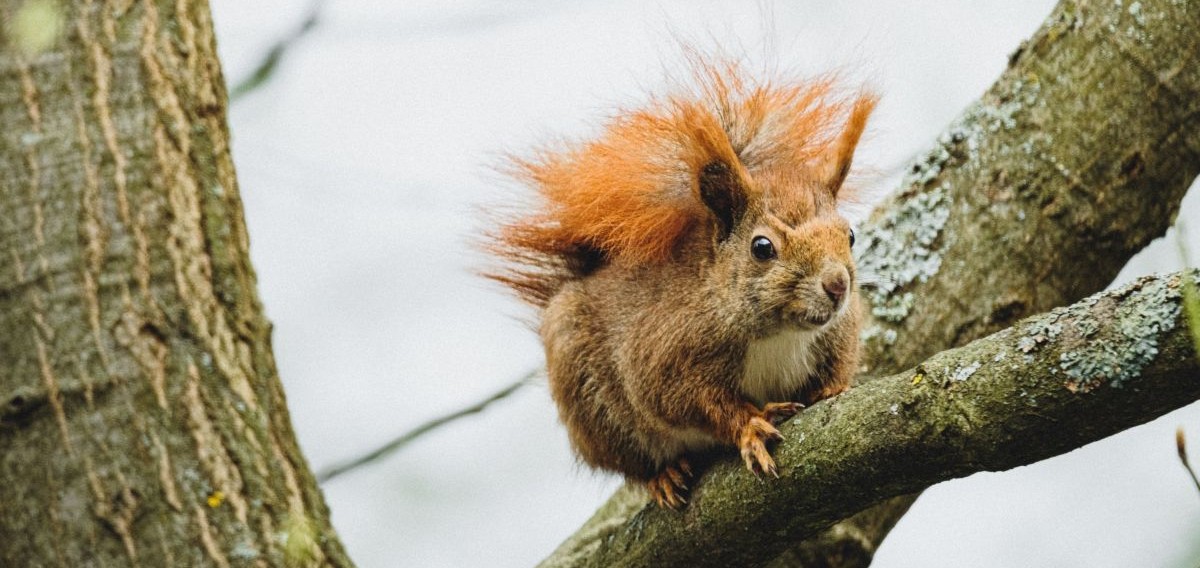
National Wildlife Day is an opportunity to celebrate the extraordinary variety of wildlife around us and learn more about the natural world.
Explore this collection of free OpenLearn courses and articles to discover more about mammals, birds, insects and other wildlife. Find out how different species have evolved and adapted to their environments, why biodiversity matters, and explore some of the pressures facing wildlife and ecosystems today, from invasive species to environmental change.
-
Aquatic mammals
Learn more to access more details of Aquatic mammalsDiscover how mammals have adapted to life in water, from the challenges of breathing and keeping warm to moving, feeding and surviving in aquatic environments.

-
Introducing mammals
Learn more to access more details of Introducing mammalsMammals come in a bewildering variety of shapes and sizes, and yet all species have some characteristics in common. These similarities justify the inclusion of all such diverse types within the single taxonomic group (or class) called the Mammalia. This free course, Introducing mammals, offers a starting point for the study of mammals. It will ...

-
Butterflies tell us more than you might think about our natural world
Read now to access more details of Butterflies tell us more than you might think about our natural worldWhy do butterflies matter? Willow Neal explains why they should be prioritised for conservation and introduces us to some butterfly species in the UK.

-
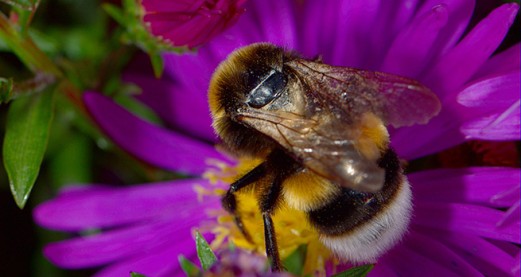
Bumblebees
Read now to access more details of BumblebeesBumblebees need areas free of insecticide and with suitable wild flowers. Neonic pesticide has linked to long-term wild bee decline. Learn how to make your environment bee-friendly in this guide.
-
Studying mammals: Plant predators
Learn more to access more details of Studying mammals: Plant predatorsFrom the mouse-deer to the elephant, plant eaters come in all shapes and sizes. But how do they manage to flourish on a salad diet? In this free course, Studying mammals: Plant predators, we will examine the special features that allow them to extract their nutrients from leaves, and see how some plants protect themselves from these predators. ...

-
Evolutionary tree of mammals
Learn more to access more details of Evolutionary tree of mammalsThis introduction to the evolution of mammals considers Darwin's observations on mammals and how he noticed that species fell into natural groups. This free course, Evolutionary tree of mammals, looks at evidence from fossils and DNA to examine which mammals are most closely related to whales.

-
Talking turkey: 12 facts about turkey genetics
Read now to access more details of Talking turkey: 12 facts about turkey geneticsThe turkey is a fascinating bird - and demands more respect than a bit of stuffing and a spot of cranberry. Ricki Lewis explains more

-
The challenge of invasive alien species
Read now to access more details of The challenge of invasive alien speciesInvasive species are a growing challenge: causing damage to species, ecosystems and people. Find out more about them in this article.
-
Animals at the extremes: polar biology
Learn more to access more details of Animals at the extremes: polar biologyThe extreme challenges of life in the polar regions require the animals who make their habitat there to make many adaptations. This free course, Animals at the extremes: polar biology, explores the polar climate and how animals like reindeer, polar bears, penguins, sea life and even humans manage to survive there. It looks at the adaptations to ...

-
Migration
Learn more to access more details of MigrationMigration is a free course looking at the migrations of animals, with special reference to birds, and also introducing the themes of movement, selection and homeostasis.

-
Surviving the winter
Learn more to access more details of Surviving the winterIn this free course, Surviving the winter, we study one aspect of the fluctuating nature of an organisms environment. We consider how organisms living in a temperate climate, such as that in Britain, are adapted to cope with winter. You will see that there is much diversity of adaptations among organisms, with different species coping with the ...

-
Why do birds eat plastic?
Read now to access more details of Why do birds eat plastic?The photos of birds killed by bellies full of plastic waste are harrowing - but why do they eat the stuff in the first place? The OU's Miranda Dyson explains.

-
Studying mammals: The insect hunters
Learn more to access more details of Studying mammals: The insect huntersFrom pygmy shrews to armadillos, a wide range of mammals survive on a diet made up largely of insects. Many of these have fascinating adaptations suited to catching or rooting out their prey. In this free course, Studying mammals: The insect hunters, you will learn about these adaptations, along with survival strategies for when food is scarce. ...

-
Studying mammals: Meat eaters
Learn more to access more details of Studying mammals: Meat eatersThe powerful and majestic carnivores are the focus of many television documentaries. In this free course, Studying mammals: Meat eaters, we will delve into the lives of these fearsome hunters and explore their physical adaptations and social behaviour. This is the fifth course in the Studying mammals series.

-
Studying mammals: A winning design
Learn more to access more details of Studying mammals: A winning designThe term mammal encompasses a huge variety of animals, including humans. But what makes a mammal a mammal? This free course, Studying mammals: A winning design, explores some of the features, such as reproduction, lactation and thermoregulation methods, that mammals have in common. It is the first in a series of ten Studying mammals courses....

Rate and Review
Rate this article
Review this article
Log into OpenLearn to leave reviews and join in the conversation.
Article reviews