
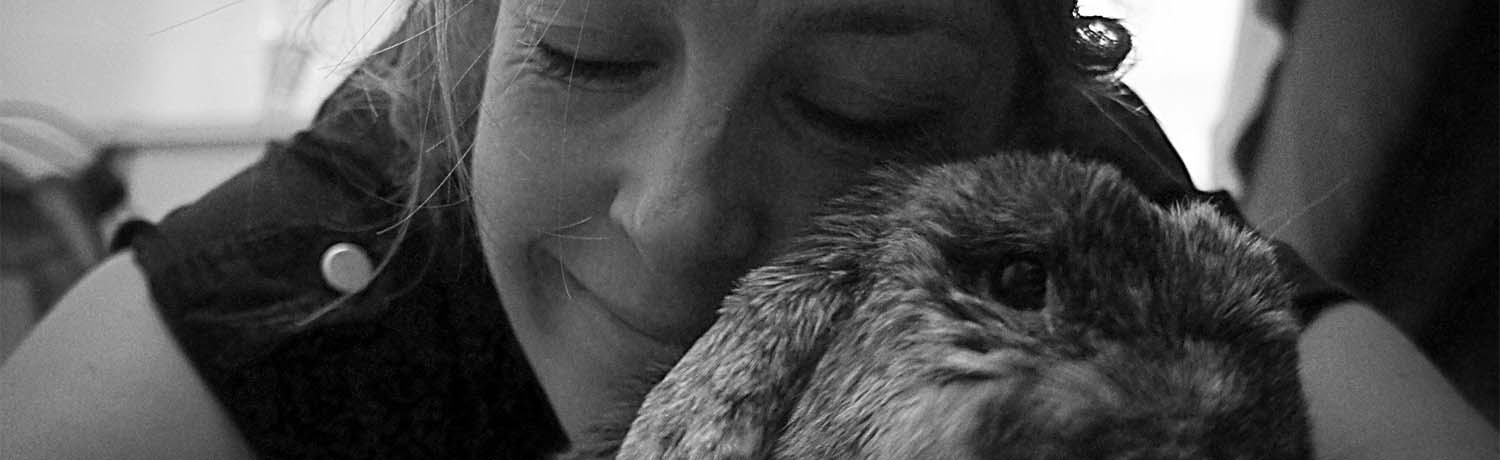
Did you know that when we hug a friend, kiss someone we love or bond with our children, we release a hormone called oxytocin? Because of this, oxytocin is often referred to as the ‘love hormone’. But scientific research has shown that we also release oxytocin, the love hormone, when we see, play or stroke our pets. A study published in Science found that looking into the eyes of pet dogs can increase our oxytocin levels by almost 300% (Nagasawa et al., 2015)!
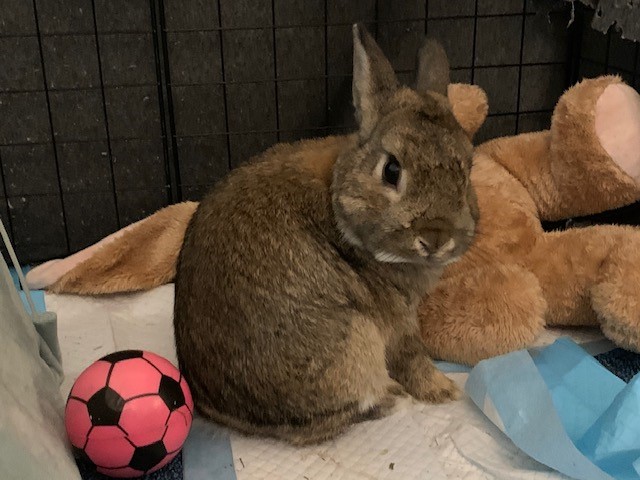 Oxytocin does many things in the body, including reducing our cortisol and adrenaline levels and activating the vagus nerve, all of which help us to feel calmer and more relaxed. It also triggers the release of dopamine, which activates the pleasure and reward centre of the brain. This is why we often feel happy and relaxed around our pets. Oxytocin also builds empathy, trust and compassion, which helps us to bond with our pets.
This release of oxytocin in pet owners is so powerful that it actually has health benefits, such as reducing blood pressure and improving heart health. There are also many benefits for our mental health that come from interacting with our pets. In fact, research has shown that individuals with PTSD had a big improvement in their symptoms when they started caring for a dog, partly due to an increase in oxytocin (combined with other psychosocial factors) (Brooks et al., 2018). Oxytocin is now being tested as a treatment for a range of mental health disorders, such as anxiety, depression, schizophrenia and post-traumatic stress disorder (Chaulagain et al., 2025).
But, the really interesting thing is that many mammals, such as cats, dogs, rabbits and horses release oxytocin when they see or play with their humans too. So, our pets are releasing the love hormone in response to us! This can have an effect on their behaviour, such as increasing gaze, shows of affection and wanting attention. However, it might also explain why some pets love affection and others aren’t so keen. A study showed that cats who are more anxious and shy show a decrease in oxytocin when they are forced to cuddle or be stroked, whereas cats who are affectionate show an increase in oxytocin (Chang et al., 2025). The study concluded that forcing anxious cats to cuddle could reduce trust and bonding due to this reduction in oxytocin, which might help to explain why some cats are naturally more aloof than others!
Pets release the love hormone, oxytocin, in response to their owners.
However, it’s not just cats that show differences in their oxytocin response. A study by the University of Edinburgh also found differences in humans and how we respond to animals and our pets. They looked at the gene for oxytocin and its different variants (Connor et al., 2018). They then surveyed 161 students and found that students who showed the most compassion and empathy for animals had a specific variant of the oxytocin gene. Meaning that there may be a genetic component that explains why some people are more ‘animal lovers’ than others. However, it’s likely that this is only one piece of the puzzle and other non-biological factors, such as psychological and social factors, influence our love for animals and our pets.
What is clear though is that both humans and our mammalian pets release the love hormone, oxytocin, which helps us to feel happiness and trust, and be more relaxed in each other’s presence!
See more of our Valentine's content in our OpenLearn Valentine's collection.
Read more articles like this
-
Do dogs want to go to heaven?
Read now to access more details of Do dogs want to go to heaven?Have you ever wondered what happens to our pets when they die?

-
Do animals have sex for fun?
Read now to access more details of Do animals have sex for fun?How was it for Fido? Do animals approach sex in more than a - well, animalistic - way?

-
Everybody's looking for love
Read now to access more details of Everybody's looking for loveHaving a learning disability doesn't mean you don't want the same things as other people when it comes to love - why would it?

Like this? Try a FREE course
-
Living psychology: animal minds
Learn more to access more details of Living psychology: animal mindsDoes your pet cat or dog experience emotions the same way you do? Can non-human animals solve complex problems? To what extent do other species have minds that are like human minds? This free course, Living psychology: animal minds, explores these, and other, issues in the psychology of animal minds. Studying animal minds is of great importance ...

-
Exploring the relationship between anxiety and depression
Learn more to access more details of Exploring the relationship between anxiety and depressionThis free advanced level course, Exploring the relationship between anxiety and depression, serves as an introduction to masters level study in neurosciences and mental health. Focusing on anxiety and depression, you will consider key issues concerning diagnosis, causes and interventions, exploring how these conditions relate to each other. You ...

-
Introducing mammals
Learn more to access more details of Introducing mammalsMammals come in a bewildering variety of shapes and sizes, and yet all species have some characteristics in common. These similarities justify the inclusion of all such diverse types within the single taxonomic group (or class) called the Mammalia. This free course, Introducing mammals, offers a starting point for the study of mammals. It will ...

Rate and Review
Rate this article
Review this article
Log into OpenLearn to leave reviews and join in the conversation.
Article reviews