

Find out more about The Open University's Law courses and qualifications.
Family cases in 2006
Twenty years ago, family cases were held in private courtrooms behind closed doors. Members of the public could not attend the hearing, journalists faced strict reporting restrictions, and little was known about how decisions were made. Following campaigns by organisations such as Fathers4Justice or those involved in cases of sudden infant death there was a campaign to open up the family courts. The secrecy of the family courts played a large part in this, and fears were raised about the power of the judges and their lack of accountability.
The legal system in England and Wales is founded on the common law principle that ‘justice must not only be done but must be seen to be done’[1]. In most law cases, members of the public and the press can sit in the public gallery, listen to court cases, and report on the proceedings afterwards. This transparency improves public confidence in the justice system. It means the public understands the reasons for courts decisions and holds judges to account. However, in 2006 this principle did not apply in family law cases, where the courts protected the privacy of the children and families involved.
Moves towards more openness
In 2006, the Labour government introduced a consultation called ‘Confidence and Confidentiality’ about whether, and how, to open up the family courts to more scrutiny. Despite the consultation favouring a move to more openness in the family law system, no changes were proposed by the government. So in 2008 The Times newspaper began a campaign for more openness in the family law courts, arguing that it was a secret and unjust process that prevented childcare professionals from being held accountable for their actions.
Changes have been made incrementally over the last 20 years, led by the senior judges in the Family Court who recognised the need for greater public confidence in the system. In 2009, the press were allowed to attend most family law cases in the County Court and High Court (now the Family Court), but could not report openly on what they saw[2]. In 2014, courts were required to publish family court judgements in more serious family cases[3].
Family cases in 2026
In 2021, a Transparency Review recommended more openness was needed to improve public confidence in the family law system. Since January 2025, journalists and legal bloggers have been permitted to attend any family law case, with the court issuing a transparency order to specify what they can, and cannot, report about the case. For example, information that would lead to the identification of the child cannot be published.
Closed doors or open justice?
So, has the family court system moved from closed doors to open justice? Over the last twenty years there have been moves towards openness. Journalists and legal bloggers can now attend virtually all family law cases and report on the proceedings. Family court judgements from County Court and High Court judges are now routinely published on publicly accessible databases such as BAILLI. This allows the public to understand the reasons for the decision family court judges make and opens the family court system to public scrutiny.
However, there are still limitations on public access to the family law system. Most family law cases are dealt with by magistrates, and their decisions are not reported. Only the more complex cases are considered by County Court or High Court judges. Although journalists and legal bloggers can attend any family law case (including those heard by magistrates), in practice they would only attend the more controversial and serious cases. This means that most of the decisions made in the family courts go unreported and unnoticed.
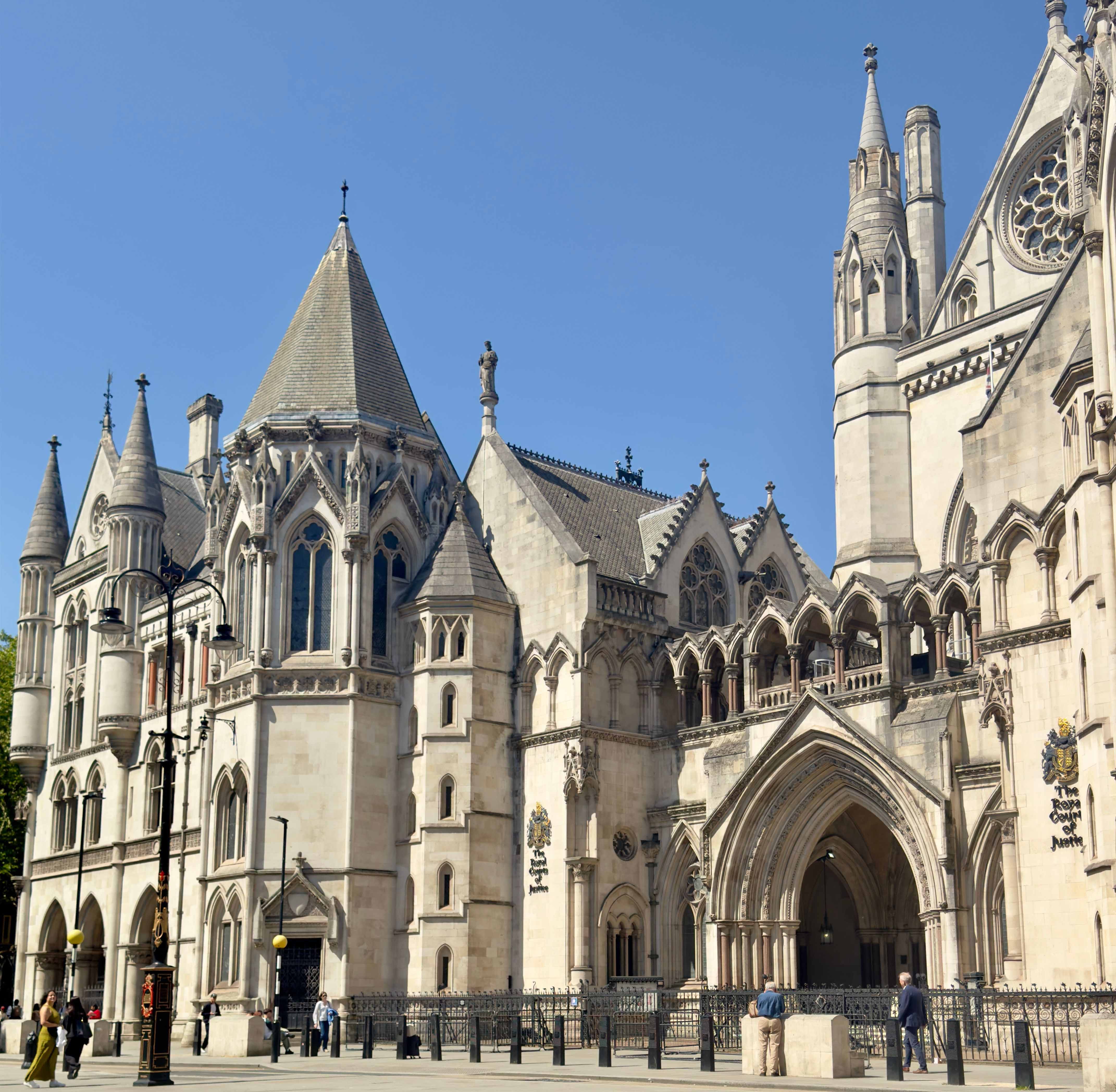
The Royal Court of Justice Royal Court of Justice building
Even when a transparency order is made, it only permits journalists or legal bloggers to publish details of the hearing. The transparency order does not apply to the families involved, who would be in contempt of court if they reported on the proceedings (such as commenting on social media). This could become problematic if families assume that the transparency order applies to them as well. It would be unfortunate if the opening up of the family court system led to parties being held more frequently in contempt of court.
In 2026, it is therefore probably too soon to say that there is open justice in the family court system, as most cases still remain hidden from public view. It will be interesting to see whether over the next twenty years these measures improve confidence in the family justice system, or whether there are calls for further transparency.
Explore the other articles in this collection...
-
20 years in… What’s changed?
Read now to access more details of 20 years in… What’s changed?A lot can change in 20 years! From scientific discoveries and technological advances to shifts in society and culture, explore how different subjects have evolved since OpenLearn first launched in 2006.

Level: 1 Introductory
Discover more content like this
-
How are social workers portrayed in the media?
Read now to access more details of How are social workers portrayed in the media?Academic research shows how social work is misrepresented in newspapers and on TV. Maria Leedham explains more.

-
Exploring criminology: problem-solving courts
Learn more to access more details of Exploring criminology: problem-solving courtsSocial life is characterised by various relationships – those with family and friends, neighbours, wider communities and those people have with social institutions such as governments, schools or universities. But what happens when things go wrong in social relationships – how do societies deal with that? When social relationships rupture, the ...

-
Exploring Online Harm Against Women and Girls: Your Body, My Choice
Read now to access more details of Exploring Online Harm Against Women and Girls: Your Body, My ChoiceWhat are women’s experiences of online harms? This article explores the impact of technology-facilitated violence and online harms on women and introduces a short film on this subject: Your Body, My Choice.

Rate and Review
Rate this article
Review this article
Log into OpenLearn to leave reviews and join in the conversation.
Article reviews