
Find out about The Open University's Health and Social Care courses and qualifications.
Not everyone experiences grief in the same way. Whilst under-researched, there is evidence that neurodivergent people may experience grief, as well as the social practices around death and bereavement, differently from others. This is thought to be related to their neurodivergence – in the differences in how their brains process information, including the environment around them, social interactions, and their own emotions.
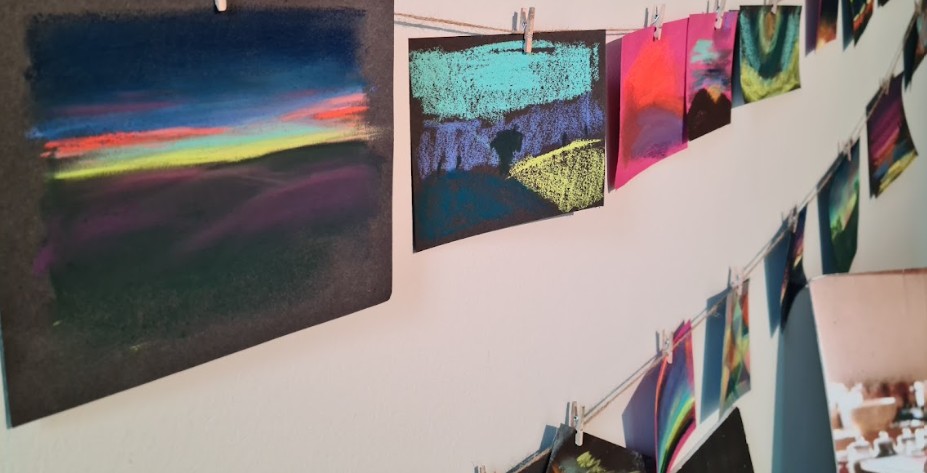
Death, dying and bereavement can raise many questions for children and present unfamiliar activities. This can be heightened for neurodivergent children who may seek to understand what has happened or be unsure of how to behave in such situations, and who may find these new situations unsettling or over-stimulating. Those who care for neurodivergent children may also be unsure of how to support their emotions, or be worried about their behaviour in social settings like funerals. Watch, listen or read our transcript to learn about some tips on how to support bereaved neurodivergent children in an inclusive way.
If you want to find out more about how to support bereaved children or to access support, the following links may be useful: Winston’s Wish and Child Bereavement UK.
If you want to find out more about supporting bereaved neurodivergent individuals, or to access support, the following links may be useful:
- Cruse Bereavement Support’s article on neurodiversity and grief
- 2wish
- a funeral guide for neurodivergent people, produced by Co-op Funeralcare.
The content of this video and article was informed by our collaboration with DEAD GOOD Community Interest Company, founded by Katy Vigurs and Lindsey Vigurs, as part of our preliminary work on the Grieving Divergently project. DEAD GOOD are death workers and death educators, and have experience in supporting bereaved neurodivergent children and families. DEAD GOOD retains the copyright for the images used. The Grieving Divergently pilot project work has been supported by funding from the Foundation for the Sociology of Health and Illness.
Discover more content like this
-
Walk the walk: encountering death and dying spaces in hospital
Take part now to access more details of Walk the walk: encountering death and dying spaces in hospitalFor some staff in hospitals, dealing with serious injury and death may be a common occurrence. But it is often unchartered territory for family and friends when called in to visit someone they know. It can be a time of heightened emotions and confusion.

-
Could you work in end of life care?
Take part now to access more details of Could you work in end of life care?Have you ever wondered what it's like to work in end of life care as a health care professional supporting dying patients and their families? Working with people who are dying can be both rewarding and emotionally draining.
-
Life or Death Decisions
Take part now to access more details of Life or Death DecisionsEver heard of advance care planning? Setting out what you’d want to happen to you if you became too unwell to make your own decisions doesn’t have to be morbid but can be incredibly helpful and give you peace of mind. Find out more in this interactive video simulation…

Study a free course
-
An introduction to death, dying and grief
Learn more to access more details of An introduction to death, dying and griefExplore interesting and challenging ideas around death, dying and grief. This free course, An introduction to death, dying and grief, invites you to think more deeply about death and dying and encourages you to think about it in different ways. This course will introduce you to different perspectives on death; ethical issues related to dying and...

-
Understanding autism
Learn more to access more details of Understanding autismLearn about autism, one of the most challenging long-term conditions of the century. This free course, Understanding autism, introduces the autism spectrum, how it is experienced by individuals and families, and why it has become a global concern. The course explains how understanding of the autism spectrum and approaches to diagnosis and care ...

-
Promoting the effective management of children’s pain
Learn more to access more details of Promoting the effective management of children’s painThis free course will focus on the promotion of effective management of children’s pain, through the use of a pain management framework. The information presented will enable you to gain knowledge and insight into evidence-based practice, in relation to delivering effective pain management for children.

Visit our Thanatology hub
-
Centre for Open Thanatology Hub
Learn more to access more details of Centre for Open Thanatology HubThe Open University’s interdisciplinary research centre dedicated to the study and education of death, dying, loss, and grief across the life course and in diverse contexts.

Visit our Neurodiversity hub
-
Neurodiversity Hub
Learn more to access more details of Neurodiversity HubExploring how minds work differently and brilliantly. This hub brings together free OpenLearn courses, articles and personal stories on autism, ADHD, dyslexia and more.

Rate and Review
Rate this article
Review this article
Log into OpenLearn to leave reviews and join in the conversation.
Article reviews