-
-
Michael Peter under Creative Commons - NonCommercial-ShareAlike 3.0 International
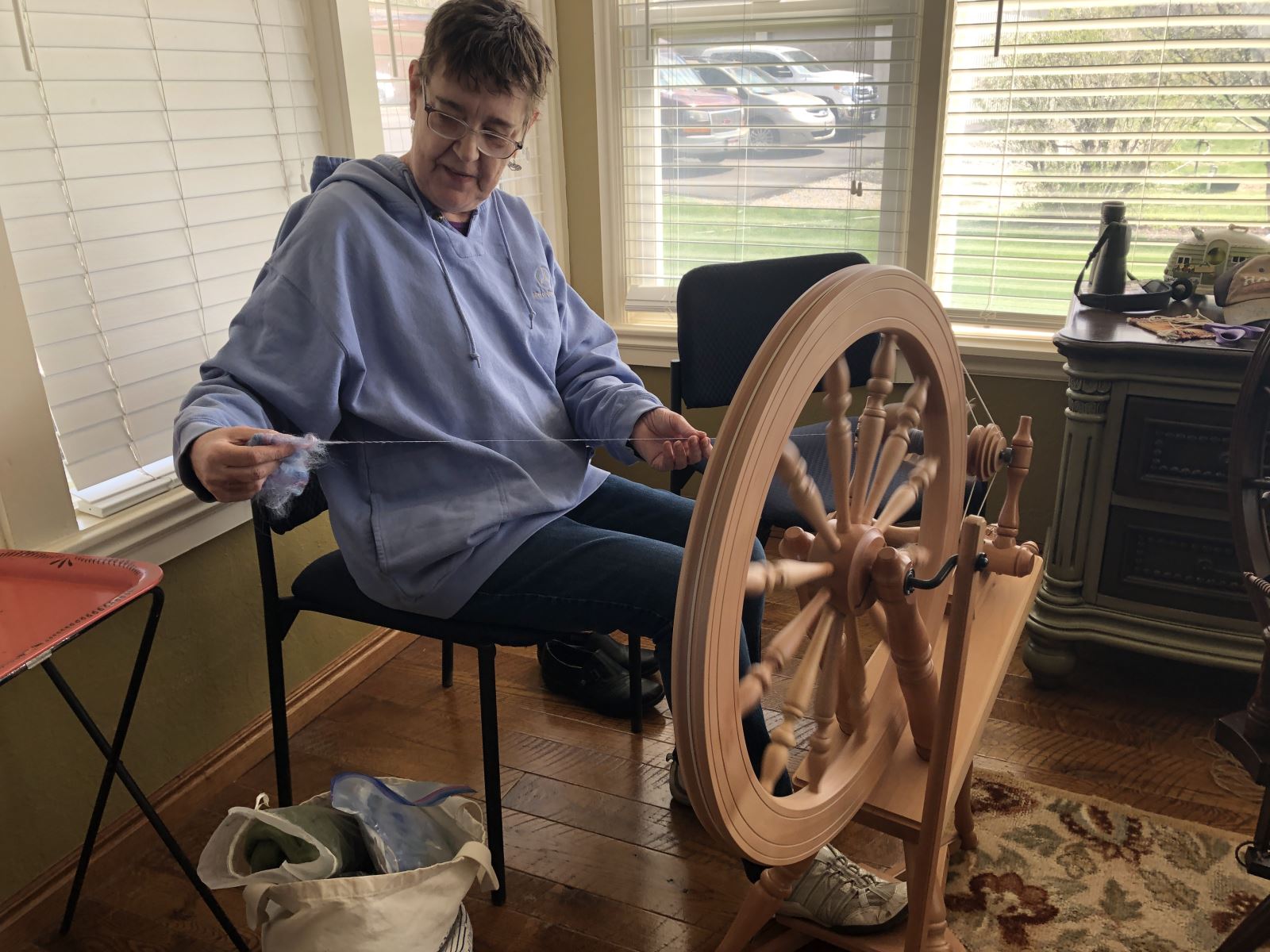
Philosophical Essay of History in Connection to Our Lives
There are three words for me to describe the nature of history. These are mysterious, amazing and unforgettable.
Article
-
Jitka Vseteckova under Creative Commons - NonCommercial-ShareAlike 3.0 International

Ageing Well Public Talks series
In a series of online and face-to-face talks, known as the Ageing Well Public Talks, we have been exploring how important it is, over our lifespan, to maintain a well-balanced nutrition and hydration as well as regular physical and social activity in the older age. The principles discussed during these series of talks are known as the 'Five Pillars of Ageing Well'. These are: Nutrition, Hydration, Physical activity, Social and Cognitive stimulation.
Course
10 hrs
-
© OU (redrawn by Glen Darby) under Creative Commons - 3.0 International
TM(XY)112 knowledge and skills test for RPEL
This online test allows pre-registered apprentices to assess whether they have sufficient learning to be awarded Prior Experiential Learning credits.
Course
4 hrs
-
Georgy Holden under Creative Commons - NonCommercial-ShareAlike 3.0 International
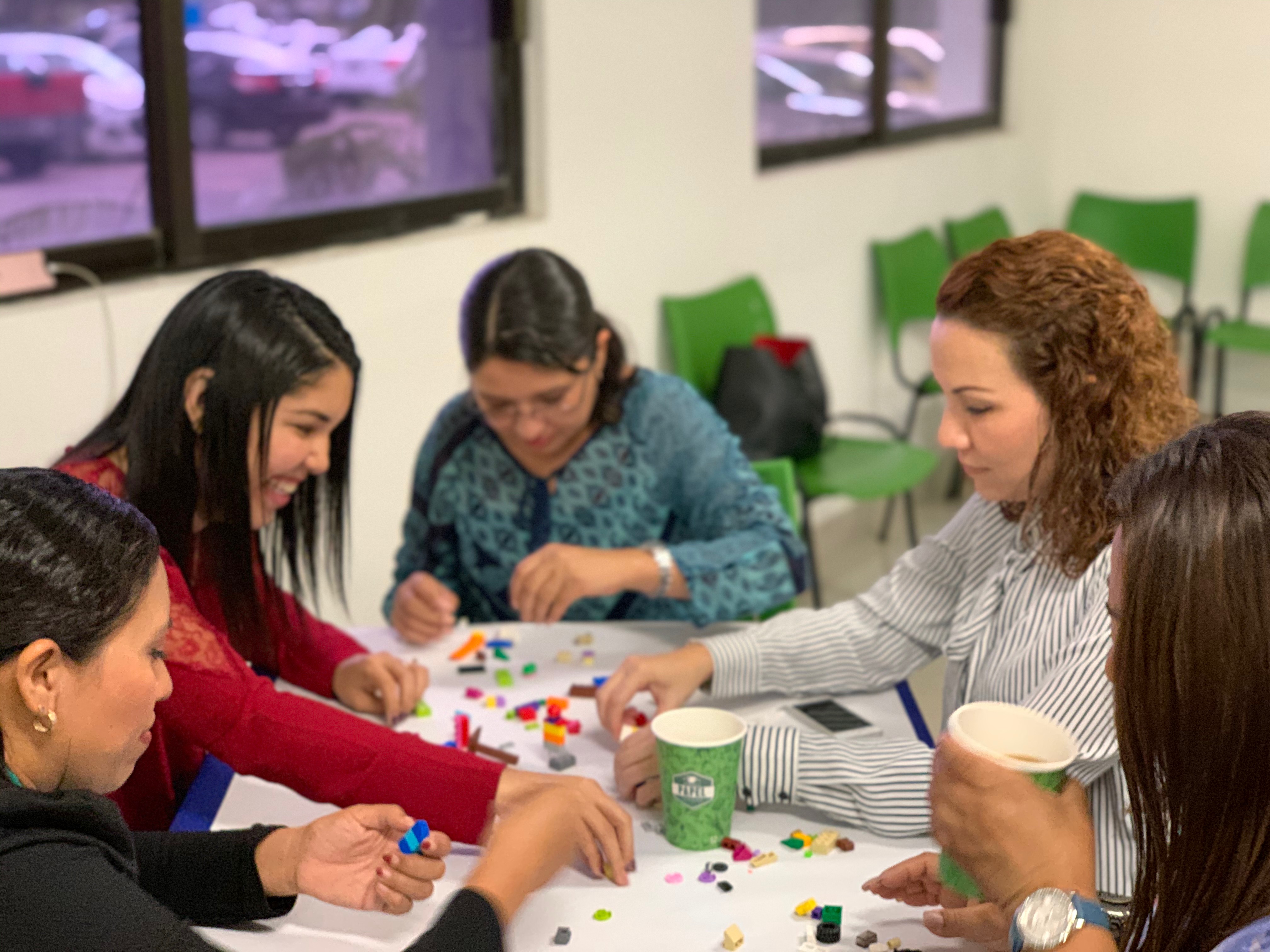
Employability by design
This course is designed for teachers working with students in HE settings. It introduces a number of methods and approaches to engaging students creatively with employability through the use of real-world problems.
Course
20 hrs
-
The Open University under Creative Commons - NonCommercial-ShareAlike 3.0 International

Being an OU Tutor in STEM: Computing and Communications
A short online course to support those looking to apply for the role of an OU Tutor.
Course
6 hrs
-
Dharmista Patel under Creative Commons - NonCommercial-ShareAlike 3.0 International
Support Through Court: Domestic Abuse
This suite of training contains a series of modules designed to support volunteers in their work with members of the public who are involved in court proceedings. There are three key domestic abuse training modules which provide advice and support on working with clients affected by domestic abuse, both survivors and alleged perpetrators. In addition, there are seven shorter training modules contain practical advice and assistance on various aspects of client support.
Course
20 hrs
-
ahmed Almobark under Creative Commons - NonCommercial-ShareAlike 3.0 International
النظرية والتطبيق في معايير برامج ومقررات التعليم الإلكتروني
سوف يتم التركيز في هذه الحقيبة على أربعة موضوعات على النحو الآتي:1- معايير برامج التعليم الإلكتروني: في 3 جلسات تدريبية "225 دقيقة"، وفيها يتم التعرف على بعضاً من هذه المعايير والتي تم توزيعها عالمياً برخصة المشاع الإبداعي.2- أسس التصميم التعليمي: في جلسة تدريبية واحدة "75 دقيقة"، وفيها يتم التعرف على أسس التصميم التعليمي في بناء مقرر تعليمي على الإنترنت، وهنا نود الإشارة بأن الحقيبة التدريبية خاصة بمن لديه خلفية سابقة عن التصميم التعليمي، وما هذه الجلسة إلا تذكير له لتطبيق معرفته في التصميم التعليمي بشكل عملي تطبيقي.3- معايير مقررات التعليم الإلكتروني: في 7 جلسات تدريبية "525 دقيقة"، وفيها يتم التعرف على بعضاً من هذه المعايير، مع التطرق لأهم هذه المعايير بشكل تفصيلي حول أفضل الممارسات لتطبيق المعيار، كما يتم في أنشطة الجلسات بناء مقرر تعليمي على أحد أنظمة إدارة التعلم وفق المعايير.4- بناء وتصميم المحتوى التعليمي: في 8 جلسات تدريبية "600 دقيقة"، وفيها يتم التطبيق العملي لبناء وتصميم محتوى تعليمي لمقرر تعليمي باستخدام مجموعة من أنظمة إدارة التعلم وجمعها وتحزيمها وفق أشهر المعايير الفنية للمحتوى الرقمي التعليمي.وختاماً نسأل الله أن نكون قد وفقنا إلى تقديم ما ينفع الأستاذ في أداء رسالته داخل قاعته الدراسية وخارجها، ونود التذكير بأن استخدام التقنية من قبل الأستاذ ليس هدفاً بحد ذاته، وإنما الهدف أن يتم استخدامها عند الحاجة إليها في الوصول إلى أفضل الخبرات التعليمية التي نريد من الطلاب امتلاكها.
Course
25 hrs
-
Pavel Kogut under Creative Commons - NonCommercial-ShareAlike 3.0 International

Better policy making through data and visualisations
The course aims to promote the use of advanced visualisations in transport policy making.
Course
5 hrs
-
The Open University under Creative Commons - NonCommercial-ShareAlike 3.0 International

Working with infidelity
This 12-hour online CPD course provides practitioners with a thorough understanding of infidelity and how to work with this issue when it is presented by clients in counselling and psychotherapy.
Course
12 hrs
-
Sarah Leakey under Creative Commons - NonCommercial-ShareAlike 3.0 International

Highland Diagnostic Maths Assessments - Part 2
This course is primarily for teachers working in Highland although may also be useful for those working in other authorities in Scotland and beyond. Part 2 looks in more detail at the knowledge assessments available. Subsequent courses will look at analysing the data you obtain in more detail as well as further strategy and knowledge assessments in other areas.
Course
4 hrs
-
Richard Dobson under Creative Commons - NonCommercial-ShareAlike 3.0 International
Empowering methodologies in organisational research
Learn how to use creative, participatory, embodied methods to empower research participants and researchers in the study of organisations and management.
Course
10 hrs
-
Robert Craw under Creative Commons - NonCommercial-ShareAlike 3.0 International

Developing a Sense of Belonging in online distance learning
QAA sense of belonging resources
Course
5 hrs
-
Zsuzsanna Barkanyi under Creative Commons - NonCommercial-ShareAlike 3.0 International
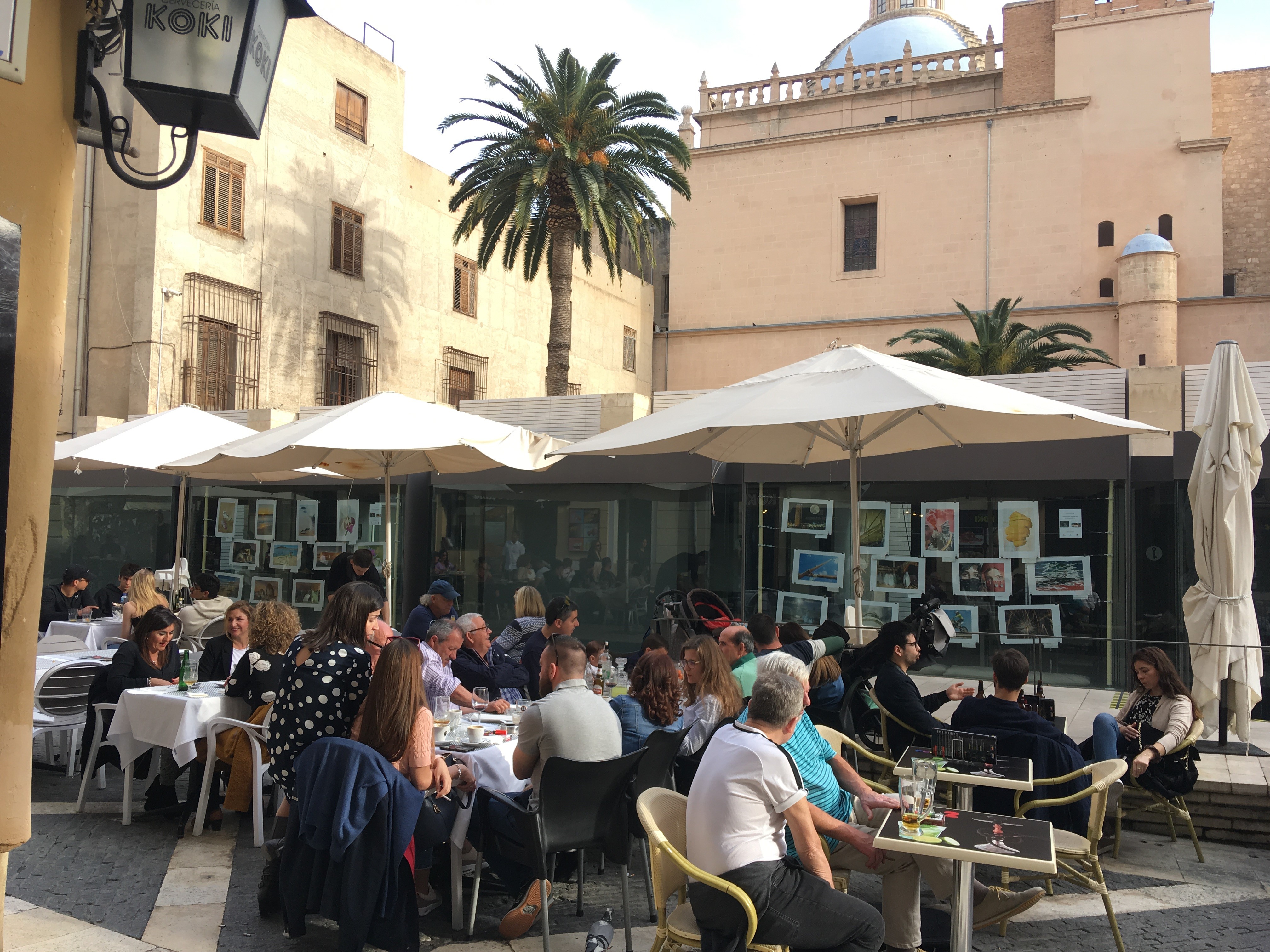
Teaching Spanish Pronunciation
This short course is aimed at teachers of Spanish working mostly in the United Kingdom who wish to extend their theoretical knowledge on teaching Spanish pronunciation. It will also suggest ideas and practical skills that can be used in the classroom be it virtual or face-to-face. It is suitable for all levels of linguistic competence and all levels of education.These resources were created by Zsuzsanna Bárkányi and Antonio Infante edited by Inma Álvarez and Mara Fuertes Gutiérrez. This work was possible thanks to the funding from the Arts and Humanities Research Council (AHRC) for the Language Acts and Worldmaking project [Grant AH/N004655/1].
Course
15 hrs
-
© pannawat muangmoon / 123 Royalty Free under Public domain license

Commercial awareness
This leadership challenge is designed to help you navigate your way towards better commercial awareness.
Course
5 hrs
-
Copyright: Sabine Barthold
ORION MOOC for Open Science in the Life Sciences
This MOOC gives you an introduction to open science principles, attitudes and workflows in biomedicine and life sciences. It was created as part of the EU-funded project ORION. The first live run of this course ended in December 2019. You can enrol for the second round starting February 10, 2020 soon!
Course
12 hrs
-
Sabine Barthold under Creative Commons - NonCommercial-ShareAlike 3.0 International
ORION MOOC for Open Science in the Life Sciences 2.0
This MOOC gives you an introduction to open science principles, attitudes and workflows in biomedicine and life sciences. It was created as part of the EU-funded project ORION.
Course
12 hrs
-
Sarah Leakey under Creative Commons - NonCommercial-ShareAlike 3.0 International

Highland Diagnostic Maths Assessments - Part 1
This course is primarily for teachers working in Highland although may also be useful for those working in other authorities in Scotland and beyond. Part 1 gives an overview of the diagnostic assessments for maths but looks specifically at using the addition and subtraction strategy assessment.Subsequent courses will look at other strategy assessments as well as the range of knowledge assessments available.
Course
3 hrs
-
Sharon Elliott under Creative Commons - NonCommercial-ShareAlike 3.0 International
Recording, Analysing and Using Human Resources Information - Unit 3RAI
Understand what data needs to be collected to support HR practices Know how HR data should be recorded, managed and stored Be able to analyse HR information and present findings to inform decision-making
Course
3 hrs
-
https://openclipart.org/detail/27930/theatre-masks under Public domain license

Playwriting for children: A participative and creative approach
When students willing to participate in a play and interested teachers and parents come together to construct a play this course will come into play. Teacher or an interested parent acts as a director and a writer. Everyone contributes to with his own experiences and views. The course is for discussing and practicing the creative ideas of playwriting, particularly plays for children. Here is an attempt to explore methods to create your own scripts and do a quality theatre of your own ideas. The discussion sessions will help teachers to know more about theatre and staging a play.Unless otherwise noted, all materials carry a CC-BY-SA license. Since many of the materials here feature chlidren, we have used passwords to protect access to videos and use a restrictive license for photos (CC-BY-NC-ND).
Course
30 hrs
-
Mara Fuertes Gutierrez under Creative Commons - NonCommercial-ShareAlike 3.0 International
Español académico
En este curso se practica la comunicación fluida en español en contextos académicos. Proyecto financiado por el Programa Erasmus+ de la Unión Europea. Este proyecto refleja las perspectivas de las autoras, la Unión Europea no se hace responsable de las mismas.
Course
150 hrs
-
Wilfried Sharp under Creative Commons - NonCommercial-ShareAlike 3.0 International

Demo Learning Designs
Various pages demonstrating educational resources which can be embedded in an LMS
Material
1 hr
-
Philip Wakely under Creative Commons - NonCommercial-ShareAlike 3.0 International
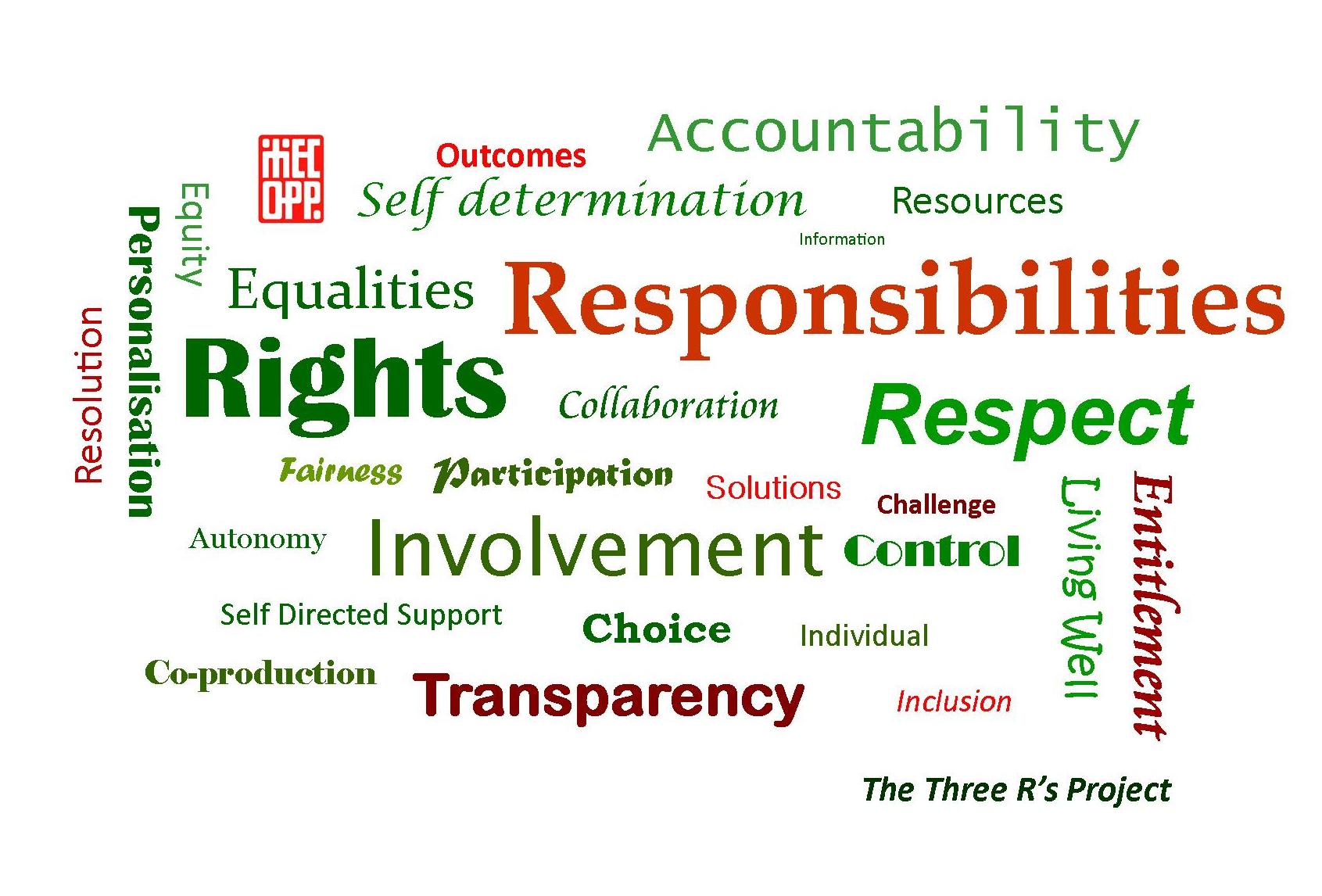
Self-Directed Support- Making the Law Work for You SDS, Human Rights and Equalities
The aim of the course is to equip practitioners with the skills and knowledge to effectively scrutinise and challenge local authority decision making on the allocation of resources to individuals who have an assessed entitlement to Self-directed Support. It is aimed at practitioners in the Third Sector who have a significant role in advising and advocating for, or with, individuals on their rights and entitlements under Self-directed Support.
Course
6 hrs
-
Alec Cave under Creative Commons - NonCommercial-ShareAlike 3.0 International

Promoting sustainability in business: a values-based toolkit
This course is primarily aimed at small business advisers and practitioners providing a checklist about how to engage with businesses about climate change.
Course
5 hrs
-
Smita Sharma for IWHC under Creative Commons - 3.0 International
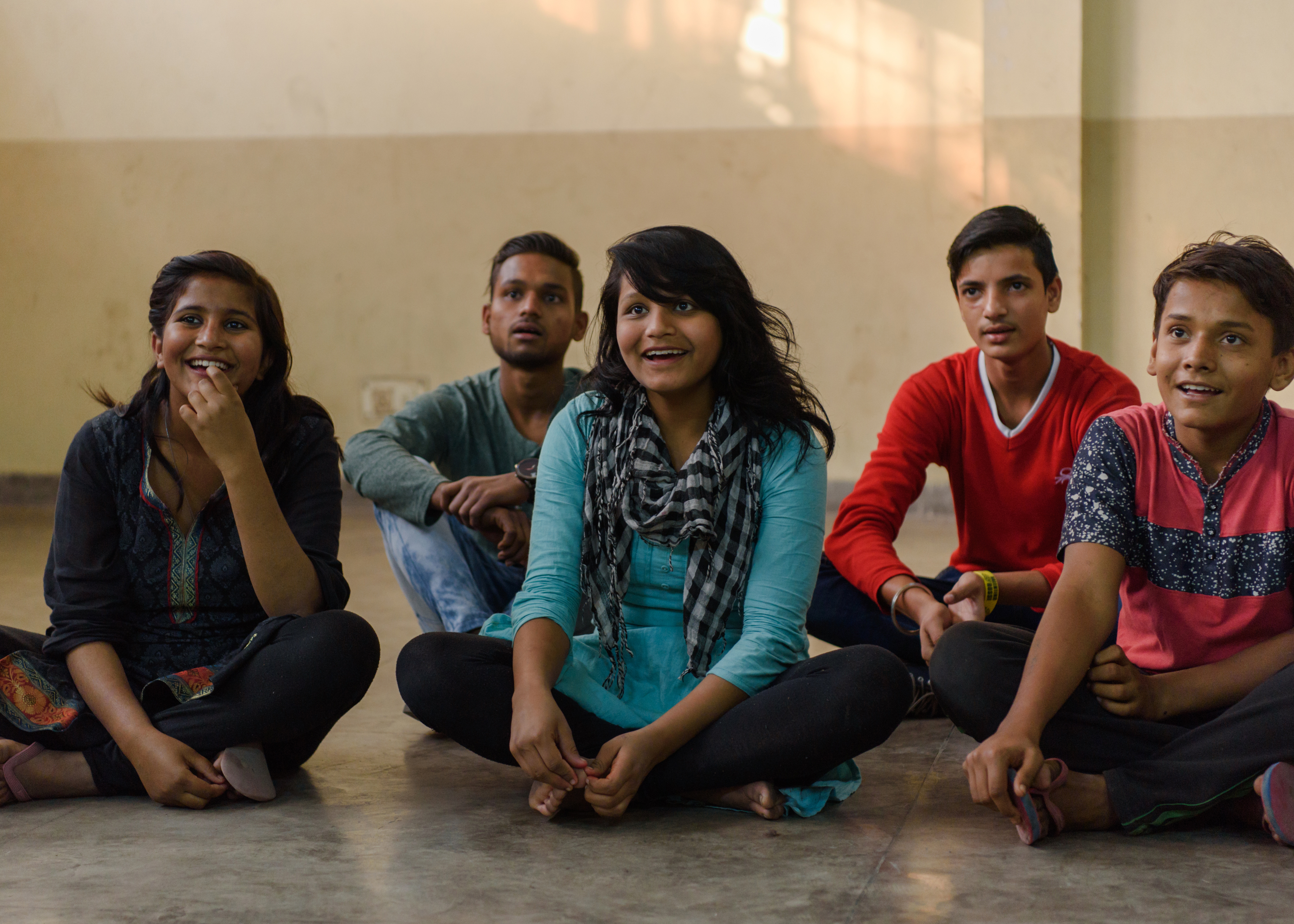
Taking a pleasure-based approach to Comprehensive Sexuality Education (CSE)
This course is designed for educators who are running Comprehensive Sexuality Education (CSE) sessions for young people.
Course
6 hrs
-
#defyhatenow Field Guide under Creative Commons - NonCommercial-ShareAlike 3.0 International

#defyhatenow Social Media Fact Checking Strategies
#defyhatenow Social Media Hate Speech Mitigation Field Guide offers resources and strategies for peacebuilding to education, civil society, NGO and community organisations raising awareness of dangerous speech online and mitigating incitement to violence. The Field Guide uses self-paced learning with grassroots tools that can be used by anyone wishing to mitigate and combat hate speech and the incitement to violence, online and offline. The Social Media Fact Checking Strategies course enables learners to build awareness & skills through the responsible use of social media. Gain understanding of the differences between fake news, rumour, misinformation and propaganda, along with tools to verify images and stories, how to report false stories and misinformation, and further resources.#defyhatenow Social Media Mitigation Field Guide is a long term product of the #defyhatenow initiative for combating hate speech. The guide contains an overview of selected grassroots projects, initiatives and strategies designed for use in the field with training materials, workshops resources and toolkits for raising awareness, developing counter narratives and mitigating violence related to online hate speech.Course Activities Required for Successful CompletionRead through the articles, guidelines and definitionsWatch all video content Contribute to the online discussion with fellow studentsRead closely and in detail all the lesson informationFinish and submit all exercises, quizzes and testsTo complete the course successfully, plan to spend around 2 hours on each lessonPrerequisite Knowledge & SkillsComputer LiteracyBasic knowledge of Social MediaCommunity engagement, leadership and capacity to moderate discussions#defyhatenowdefyhatenowhttps://www.facebook.com/defyhatenow/https://twitter.com/defyhatenow
Course
12 hrs
-
#defyhatenow Field Guide under Creative Commons - NonCommercial-ShareAlike 3.0 International

#defyhatenow Identify & Report Hate Speech Online
#defyhatenow Identify & Report Hate Speech OnlineThe #defyhatenow Social Media Hate Speech Mitigation course on How to Identify & Report Hate Speech Online is aimed at people who want to have a positive impact on their communities through developing social media skills to become a positive influencer. The #defyhatenow course series supports those working as individuals or in collaboration with youth, civil society, peace-builder and media organizations, international agencies, churches and schools. The course offers practical hands-on information to understand, identify, counter and report hate speech and dangerous speech online.The Field Guide focuses on the following areas to build awareness & skills through the responsible use of social media: Identify & Report Hate Speech Online (Current Course)Social Media Fact Checking StrategiesResponsible Use of Social Media and Positive CampaignsHow to Counter Dangerous SpeechGender Equality: Safety of Women & Girls and mitigation of gender-based violence
Course
10 hrs
-
Gary Mckenna under Creative Commons - NonCommercial-ShareAlike 3.0 International

Assets Based Working with Communities
This course consists of five Assets Based Collaborative Open Educational Resources (COERs) that have been developed through a research and design process to share innovative practice and further develop assets based approaches for interprofessional working across international community contexts. The course will provide you with the opportunity to further explore these community assets based interprofessional working resources and how they can be applied to your own working contexts.
Course
10 hrs
-
Meningitis Research under Creative Commons - NonCommercial-ShareAlike 3.0 International
Challenge Leader Training
An overview of the Challenge Leader Training Day hosted by MRF
Course
2 hrs
-
Paul Stanley under Creative Commons - NonCommercial-ShareAlike 3.0 International

Essential skills for online learning
This resource, developed by The University of Manchester Library, will help you to develop skills to get the most out of being an online learner. ESOL is self-paced and designed to fit around your schedule; you can work through it in short bursts of 15 minutes, or longer sessions if you prefer. You can complete it in any order, and you can choose to complete only the topics which are relevant to you. ga('create', 'UA-55064688-3', 'auto', 'umlTracker') ga('umlTracker.send', 'pageview')
Course
4 hrs
-
Ale Okada under Creative Commons - NonCommercial-ShareAlike 3.0 International

Escrita e Autoria na Era Digital
Esta atividade discute a importância da autoria na era digital e abre um espaço de reflexão sobre o futuro da tecnologia para apoiar e avaliar habilidades de escrita
Course
1 hr
-
Alec Cave under Creative Commons - NonCommercial-ShareAlike 3.0 International

A practical guide to UK human rights and discrimination law
This course has been designed to give a practical introduction to UK human rights and discrimination law.
Course
5 hrs
-
OAD Astronomy for Development under Public domain license

Astronomy for Development
This course is designed to provide a helping hand to anyone who intends to submit an application to the OAD Call for Proposals. It provides a brief introduction to Astronomy for Development and introduces the participant to the OAD project cycle, from needs analysis to monitoring and evaluation.
Course
2 hrs
-
ayman yasin under Creative Commons - NonCommercial-ShareAlike 3.0 International
Translation (Arabic-English)
This course aims at teaching students some techniques for translating texts between Arabic and English. It also provides some translated texts, detecting translation errors, translating some culture-specific idioms, expressions.
Course
44 hrs
-
sara smith under Creative Commons - NonCommercial-ShareAlike 3.0 International

Grow your own loaf
This course for primary teachers looks at the importance of soil, some things to think about around planting and how easy it is to grow your own grain in school or at home.
Course
1 hr
-
Copyright:

Mentoring Matters
This is an on-line course which is part of the University’s support to the apprentice programme.
Course
3 hrs
-
Copyright: The Open University and partners

KGIS Scholarship Programme in Malawi
An 18 month study programme to prepare for Malawi national senior secondary exams (MSCE) in English, Maths, Physical Science and Biology, alongside a formative school experience placement as a Teaching Assistant.
Course
150 hrs
-
Marcus Quigmire under Creative Commons - ShareAlike 3.0 International

Learning to (Re)Use Open Educational Resources
This open course will guide participants through the discovery, use and reuse of open educational resources (OER) for teaching purposes in all sectors of education. Together we will explore approaches to selecting and using materials that have been created by others, unpack the process of adaptation and discuss sharing and networking. This course will be highly attractive to both those who want to start using OER in their teaching and those who are already users but who are looking for an opportunity to create and share their own teaching resources for teaching.
Course
12 hrs
-
The Open University under Creative Commons - NonCommercial-ShareAlike 3.0 International

Getting ready to study Design and Innovation
This unit is aimed at people who are thinking about studying or enrolled to study Design and Innovation at the Open University.
Course
1 hr
-
Copyright: cooldesign at FreeDigitalPhotos.net

How to become an online facilitator
This course is for anybody who would like to become a facilitator on an open online course. You'll be introduced to concepts and ideas as how best to engage with learners, encourage conversation, and identify good practice for responding to learners online.
Course
5 hrs
-
John Casey under Creative Commons - NonCommercial-ShareAlike 3.0 International

Design and Build Digital Assessments
Systematic Approaches to Digital Assessment in Further and Higher Education. A practical course focusing on 'soft' issues not covered in most research studies or sources of guidance. Steps through the process of converting an assessment from paper to digital.
Course
40 hrs
-
Copyright: Clare Warren

Are you ready for S309?
Are you ready for S309? Self-assessment quiz for prospective students of S309 to test their level of skills prior to registering for the module.
Course
2 hrs
-
Copyright: The Open University

Are you ready to study S111?
Introducing Open University module S111, with a simple set of self-assessment questions to find out whether potential students have the right background to study S111 successfully. Feedback will be given separately on science knowledge and understanding, maths skills, computing skills, English language skills, and time management.
Course
1 hr
-
Natural and Social Sciences
This project aims to support and provide practice in Natural and Social Sciences for primary school children. For now, it is composed of two sections: one for G4 (Y5) pupils and another for G6 (Y7) pupils. These blocks are designed to complement the pupils' homework.
Course
35 hrs
-
The Open University under Public domain license
CREATE Toolkit
How to create open educational resources in OpenLearn Create.
Guide
3 hrs
-
Copyright: Image created by Microsoft Copilot

Graded Online Maths
This project aims to provide practice in basic arithmetic for primary school children, making it easy for teachers to track their progress. It is composed of the following blocks: Addition Subtraction Multiplication Division Mixed operations Fractions Geometry Unit conversion These blocks are designed to complement the pupils' homework. All drills are graded according to difficulty and can be done as many times as wished. The letters in their names are self-explanatory.
Course
1 hr
-
Copyright: RIX Research and Media
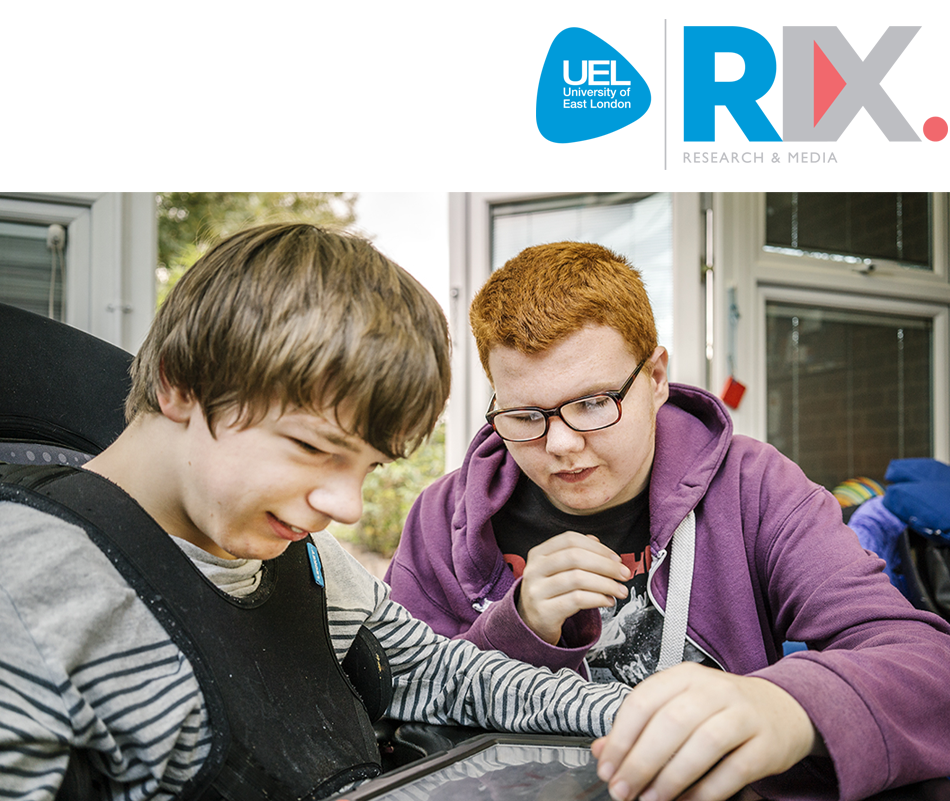
Multimedia Advocacy: Making plans with people with learning disabilities
Introducing Multimedia Advocacy support for people with learning disabilities. You are provided with a background to the approach and software to develop multimedia materials. Three case studies are presented. These look at the use of multimedia advocacy in: • Education, Health and Care Plans • Telling personal histories • Everyday classroom practice
Course
2 hrs
-
Copyright: Save the Children

Save the Children – Advocacy and Campaigning
This course provides a series of 15 training units to be used by charity workers.
Course
10 hrs
-
Copyright: The Open University and partners

CREATE – Child Rights Education in East Africa
This course explores Children’s rights for health workers to inform their practice in Ethiopia, Tanzania, Kenya and Uganda
Course
10 hrs
-
Copyright: Pembroke College Oxford
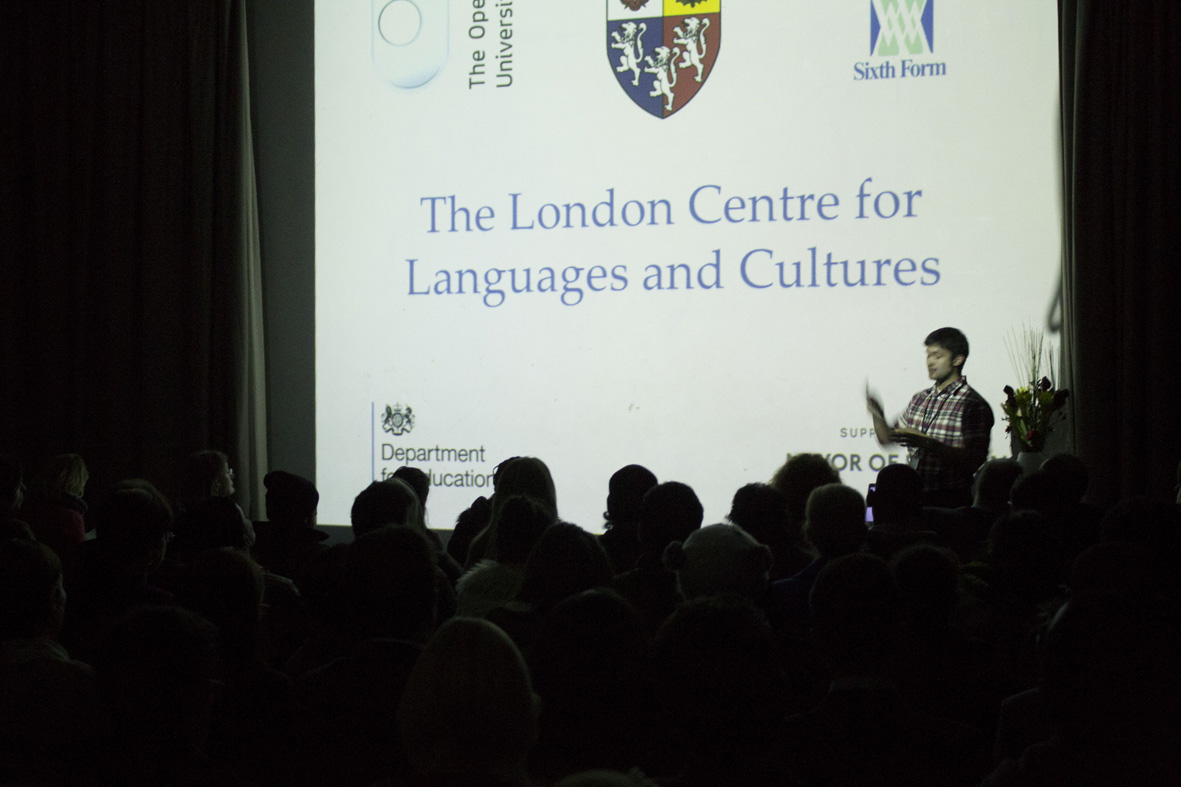
London Centre for Languages and Cultures (LCLC)
LCLC is intended to encourage and promote the study of languages which are traditionally less popular choices for university applicants from disadvantaged backgrounds. The languages included in the programme for the new centre are Arabic, Chinese, French, German, Italian, Japanese, Persian, Portuguese and Spanish, as well as a focus on applied linguistics.
Course
5 hrs
-
Radio:WSRT/R. Braun; Infrared:NASA/Spitzer/K. Gordon; Visible: Robert Gendler; Ultraviolet: NASA/GALEX; X-ray: ESA/XMM/W. Pietsch under Creative Commons - NonCommercial-ShareAlike 3.0 International

Observing the Night Sky: What next?
This short course is designed as a follow on to observing evenings, planetarium shows or astronomy events run by the South East Physics Network (SEPnet). However, it can also be used as a stand-alone course. The course is designed to take your knowledge further and enhance your experience about the night sky and explore other places where you can find out more.
Course
10 hrs
-
My OpenLearn Create Profile
- Personalise your OpenLearn profile
- Save Your favourite content
- Get recognition for your learning
Already Registered?