
Week 3: Creating a learning organisation
3. A Case Study of School-based teacher development
3.2. Supporting school-based teacher development
The head teacher has a key role in communicating the purpose of this activity to teachers and convincing them of the benefits. They have a responsibility to ensure that the meetings are helpful and productive – and if possible, save teachers time because they will have opportunity to so some of their planning.
Policy makers can support this sort of activity through structures and clear expectations. For example, by allowing teachers time during the school day to meet and work together, by creating roles with clear responsibilities for supporting SBTD and through providing access to resources.
The opportunities are considerable. Teachers will have chance to develop their skills, to work collaboratively and to learn from each other. Learners will experience more inclusive teaching. The main challenge is helping teachers to make a mental shift from the idea that there is a ‘magic bullet’ – a right way to do things that always works – to the realisation that teaching is complicated and contextual. They need to work out what works for them in their context with their learners, drawing on expertise from others and reflecting on their own experience.
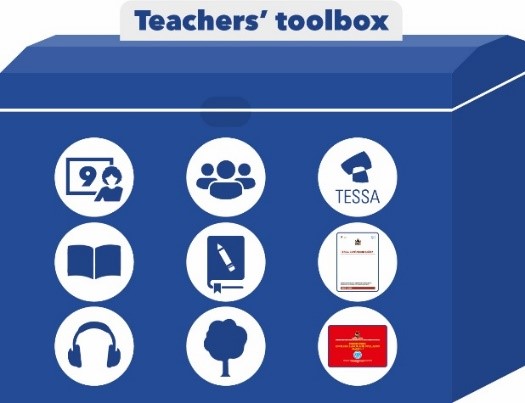
SBTD is part of the toolkit because it supports teachers in developing as inclusive practitioners. It provides opportunity for peer support, and reflection.
|
Reflection Point How could a programme of School-based teacher Development contribute to creating an inclusive ethos and culture in a school? What role might you be able to play to encourage and support such a process? |