
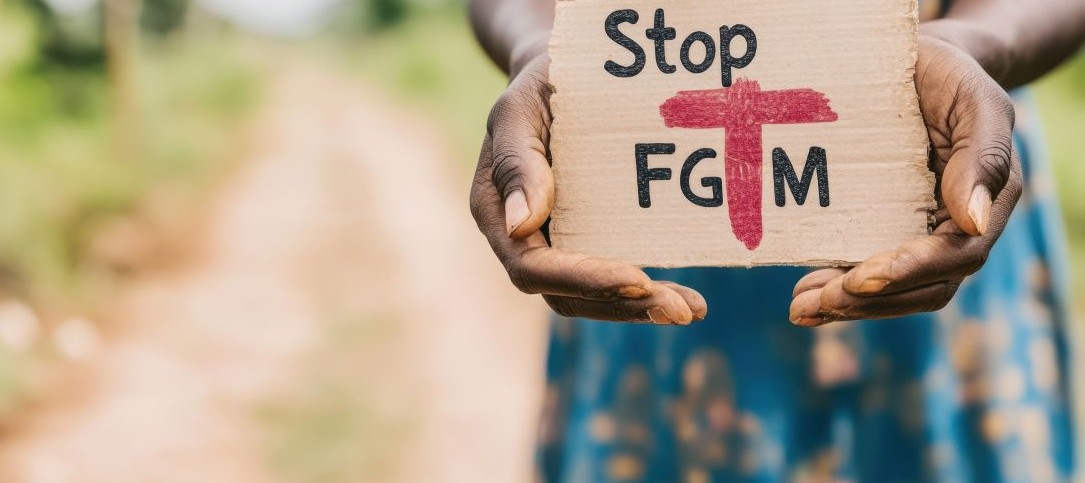
Female Genital Mutilation (FGM) is a complex, abusive, cultural, and ritualistic harmful practice performed on millions of women and girls worldwide with many more at risk. It is a major source of concern globally, nationally and regionally, in terms of social justice, human rights, gender inequality, health and well-being and health inequalities.
FGM is increasingly denounced through international and national legislation in many parts of the world, including in the UK and Ireland. It is a significant safeguarding and child protection issue. FGM inflicts lifelong physical, mental, emotional, sexual and reproductive health consequences and has social and economic implications for the women and girls who have been subjected to this practice.
We invite you to listen in to this informative, evidence-based, and culturally sensitive audio-recorded discussion between Grace (a Registered Nurse working in Health and Social Care in Northern Ireland) and Jaz (a Social Worker and Programme Lead with the UK National FGM Centre), as they explore the practice of FGM and its’ injurious impact on women and girls across their life course.
| Sensitivity Statement |
|---|
| We appreciate that FGM is a highly sensitive subject area, and that this podcast contains content about the practice and impact of FGM that some listeners might find emotionally challenging and distressing. Please do prioritise your well-being and skip sections, pause, or stop the recording where needed. If you are affected by FGM or by what you hear in this podcast and need support, we have provided a list of resources and services at the bottom of this page that you may find helpful. |
Grace and Jaz explain what FGM is and discuss why, where, how, and when, it is practised. They delve into global and national prevalence rates, cultural and historical nuances and complexities, and dispel some misconceptions about the origins and drivers of this deeply rooted practice. Crucially, they discuss legal and safeguarding frameworks. They highlight the fundamental skills that health and social care professionals and other vital frontline professionals need to have and the role that a multi-agency approach plays. It is essential to recognise and respond to key risk indicators, to protect vulnerable children and young people from FGM, and to work with people in a sensitive and respectful way. Of particular interest is the dialogue about the benefits and gaps in service provision of FGM support clinics. These clinics offer therapeutic support, treatments, and onward referrals to help people and families, at different stages of their lives, who are living with the aftermath of FGM complications. Disparity in access to and availability of such clinics further impacts on health inequalities and outcomes.
The podcast and related materials on OpenLearn will be of interest and importance to a wide range of health and social care students and registrant practitioners (including but not exclusively nursing, midwifery, social work and allied health professions), students of ethics and law, the police, educators (from primary to higher education), community workers, commissioners, and the wider public. It enables a level of awareness and understanding about this hidden illegal practice, the implications for the people affected, how it can be prevented, key educational requirements for professionals and the gaps in service provision across the UK and Ireland that need to be addressed, with sign posting to further resources and reading.
Further Resources
Advice
- Talk to your GP: you can talk them about the feelings you are having, and they may refer you to specialist services if they feel it will help you.
- Health care professionals may have access to support resources through their professional bodies and employing organisations.
- Students will have access to support resources on their university website.
Try a related free course
-
Exploring issues in women's health
Learn more to access more details of Exploring issues in women's healthThis free course will introduce social model approaches to health and wellbeing, which take as their starting point not the scientific context of the body, but the social context in which women live. The focus is on women and the impact of social and cultural factors on women's health. The course touches on various issues concerning women's ...

-
An introduction to social work
Learn more to access more details of An introduction to social workDo you want to learn more about the social work role and develop your understanding of some of the theory associated with social work practice? This free course, An introduction to social work, begins by introducing key ideas, values, the social work process and the skills needed for social work practice in the UK. You will then move on to look...

-
Applying social work law to asylum and immigration
Learn more to access more details of Applying social work law to asylum and immigrationThis course will present an overview of the policy and law that relates to social work with people involved in the asylum and immigration system and will introduce you to the ways in which social work practitioners can support people with insecure immigration status, refugees and asylum seekers more effectively. It will highlight some of the ...

Rate and Review
Rate this audio
Review this audio
Log into OpenLearn to leave reviews and join in the conversation.
Audio reviews