
 article icon
Education & Development
University of Westminster: Work-Based Employability
Welcome to your OpenLearn gateway, to support you during your University of Westminster Work-Based Learning Roadshows.
 article icon
Education & Development
Get started with your dream career on OpenLearn
Ever fancied being a detective? Maybe you'd love a career as a vet or astronaut? Check out these FREE resources to find out if that career is for you!
 article icon
Education & Development
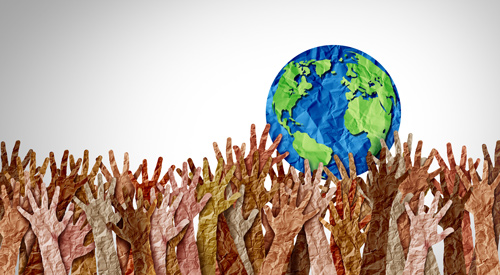
Home education as a provocation for the future of education
UNESCO’s 2021 report ‘Reimagining our futures together: A new social contract for education’ sets out an invitation to all education stakeholders to participate in policy discussion, research and innovation to transform education.
 video icon
History & The Arts
Latin graffiti at Pompeii
The writing's on the wall—read the graffiti left by residents of the ancient town of Pompeii, preserved by a volcanic eruption
 free course icon
level 2: intermediate icon
Education & Development
Supporting climate action through digital education
Education has a vital role in tackling the catastrophic impact of the climate emergency. However, there's abundant evidence that educators, worldwide, lack the knowledge and skills to effectively address the climate crisis in their teaching. This free course will equip you for designing and delivering online, blended and technology-enhanced ...
 audio icon
History & The Arts
Exploring immortality
To mark the new BA (Hons) qualification in Religion, Philosophy and Ethics (R45), Suzanne Newcombe and Carolyn Price discuss how researchers in Religious Studies and Philosophy investigate immortality.
 article icon
History & The Arts
After the First World War: the 1919 Egyptian Revolution
Despite British troops not leaving Egypt until the 1950s, the first Egyptian Revolution actually happened in 1919. Dr John Slight digs into the tensions that united the Egyptian people after the First World War...
 free course icon
level 1: introductory icon
History & The Arts
Empires: power, resistance, legacies
Empires have existed throughout most of human history. They have spanned the globe. They have influenced the way we are governed, our systems of trade, how we use technology, our relationships with the natural world. They have shaped how we have seen, mapped and divided the world. They have profoundly affected how we have understood and ...
 activity icon
Education & Development
Exploring youth violence: what would you do?
Urban youth violence is a global problem that goes beyond policing and is best understood when viewed from a political economic and youth development perspective.
 video icon
Science, Maths & Technology
Further uses of genetic testing
Genetic testing is a valuable tool for understanding many important things about ourselves, from our characteristics to our heritage and identity.
 video icon
Science, Maths & Technology
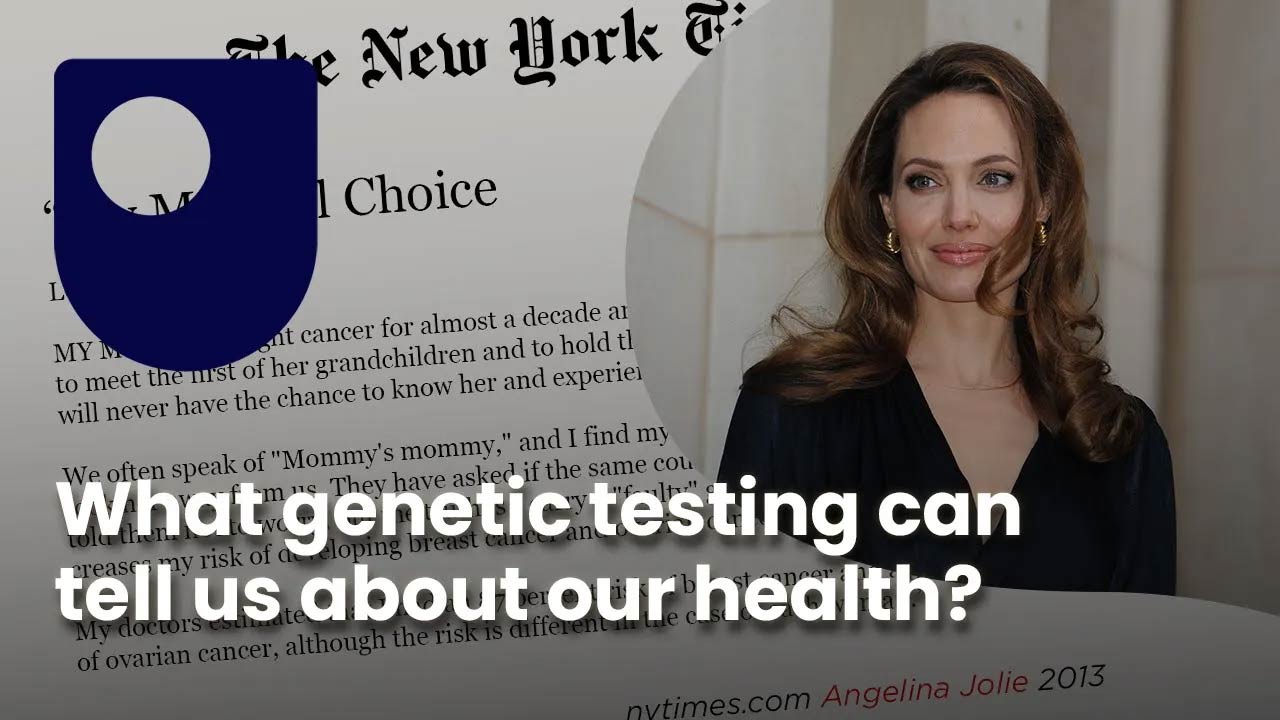
Medical uses of genetic testing
Genetic testing can diagnose disorders, predict health risks, and assess the likelihood of passing conditions to offspring. This helps people make informed health decisions and offers the chance for early screening and interventions.
 video icon
Science, Maths & Technology
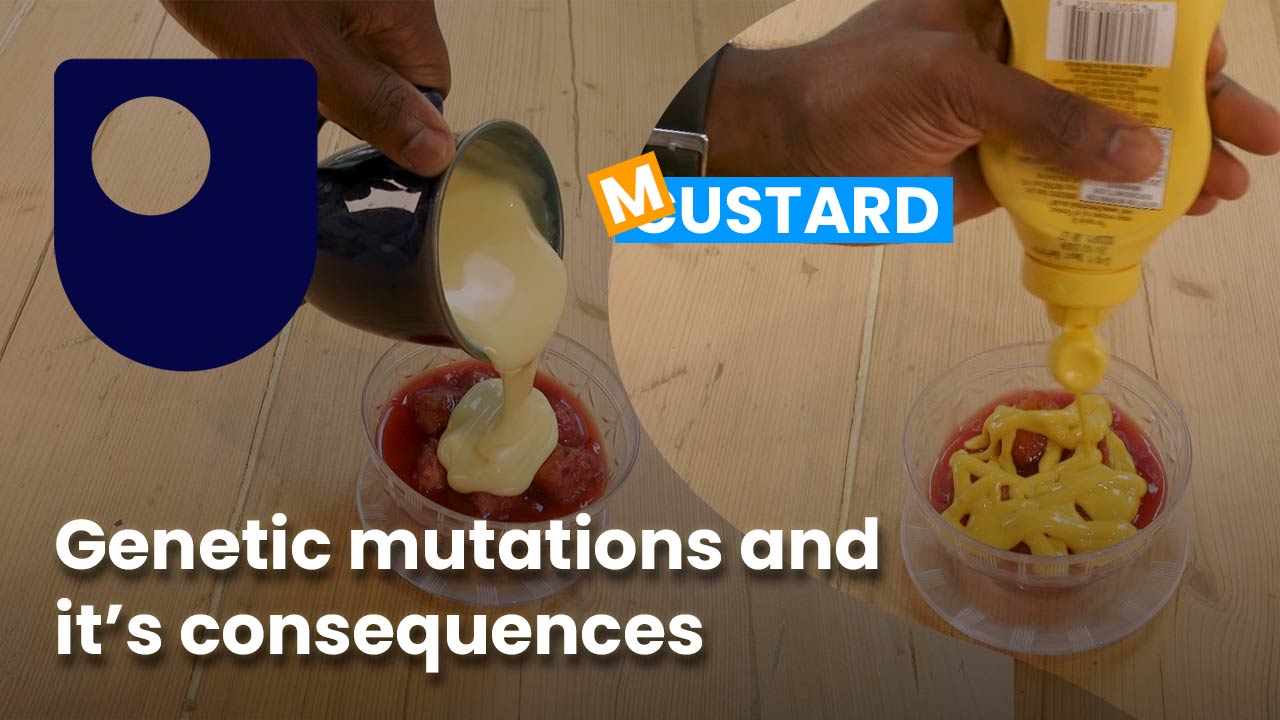
What is genetics? And how can it affect our health?
We all have roughly the same genes, with more than 99% of our DNA shared in common with any other person. But the less than 1% difference in our genomes makes each of us genetically unique.