

Awareness of neurodivergence has grown significantly in recent years including more recognition of the different ways conditions such as ADHD and autism present. There are more conversations about neurodiversity and an increase in people seeking diagnosis and support. Yet despite this progress, not everyone is equally likely to be recognised or diagnosed. This is not just about access but also about perceptions over what neurodivergence is and who can be neurodivergent.
The typical profile
Much of what we know about neurodivergence has been based on white, male, middle class individuals. Research samples and diagnostic criteria have, and still continue to, reflect this group, thus, shaping expectations around who is neurodivergent. This has produced a ‘typical’ profile of the hyperactive boy who cannot sit still, the autistic child with highly visible special interests, and outward visible behaviours. However, neurodivergence is not experienced in the same way by everyone. This narrow model of neurodivergence means there is a real risk of missing those who might present differently. In reality, this means that recognition is shaped by social expectations.

Interpretation of behaviour
One of the key ways in which bias manifests itself is through the way in which behaviour is interpreted. The same behaviours can be understood very differently depending on who displays them. For some, these behaviours may be recognised as neurodivergence but for others they can be interpreted as naughtiness, lack of effort, immaturity, poor parenting or cultural differences.
These interpretations are shaped by assumptions about gender, race and class or socioeconomic status. For example, there is strong evidence that Black children and children from lower socioeconomic backgrounds are more likely to have their behaviours interpreted as a problem of discipline or a personality flaw. Therefore, the likelihood of their neurodivergence being noticed, and them being referred for assessment and support, is reduced or delayed.
Being overlooked
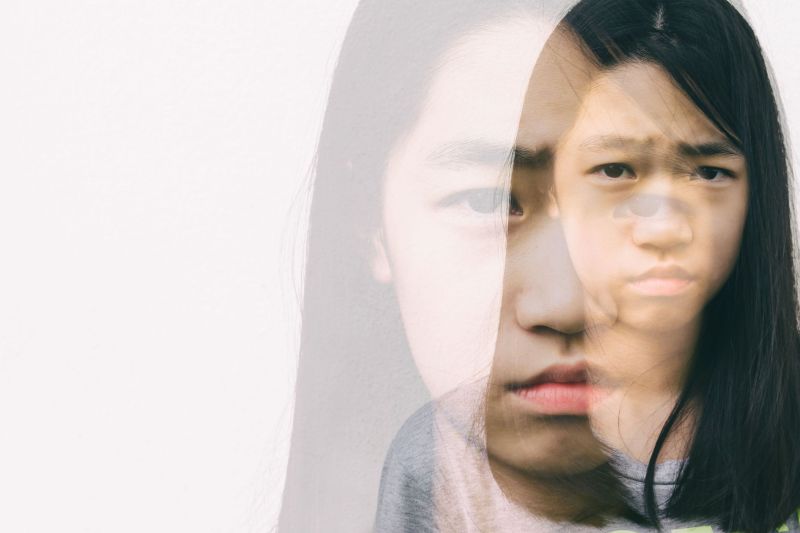
Gender provides a clear example of how stereotypes influence recognition and diagnosis. Girls and women often, although not always, present differently to boys and men. For example, presentations of ADHD and autism are more likely to be internalised and less disruptive. Girls are also more likely to mask or camouflage the difficulties they face. From early on, they learn that there are social expectations for girls to be ‘well behaved’ ‘quiet’ or ‘helpful’ and they, therefore, adapt their behaviours to fit these norms. This then makes their needs much less visible in formal environments like classrooms or assessment rooms. Often challenges are visible at home when they feel able to ‘drop’ the mask.
This all means that not only do girls not fit the stereotype of neurodivergence but their coping strategies also conceal their difficulties. Even so, research suggests that when girls show similar levels of needs to boys in assessments, they are still less likely to receive a diagnosis. Instead their experiences are more likely to be interpreted as anxiety, mood difficulties or personality traits. This contributes to later diagnosis, boys on average are diagnosed in primary school and girls in later adolescence or adulthood.
Unequal pathways to diagnosis
Race and class or socioeconomic status also play a significant role in shaping diagnostic pathways. Families with greater financial resources and social capital are often better able to recognise early signs, advocate for their children, navigate complex systems and access private assessments and support. In contrast, families facing economic disadvantage are more likely to encounter barriers at all stages. Limited access to resources and longer waiting times all contribute towards later identification and lower rates of diagnosis. Later identification and lower rates of diagnosis are also more common for racialised communities.
In addition to some of the issues already covered, racialised communities can also face challenges of medical mistrust shaped by past and present experiences, differences in how developmental difficulties are understood or expressed, and concerns parents raise being dismissed or attributed to parenting or culture. There appears to be a lack of cultural competency in some services parents have access to. Evidence shows that Black children are less likely to be diagnosed with conditions such as ADHD despite there being no difference in prevalence. They are also more likely to experience punitive responses within education settings and these patterns reflect broader structural inequalities.
Diagnostic overshadowing and misdiagnosis
Another important issue to consider is diagnostic overshadowing where neurodivergent behaviours are misattributed to other conditions such as mental health conditions. For some groups, especially marginalised individuals, neurodivergence is more likely to be overlooked or explained by other labels. This can lead to long periods of misunderstanding and ineffective support. By the time correct diagnosis is reached, individuals have already experienced significant difficulties impacting their wellbeing.
The impact
When neurodivergence goes unrecognised, the impact is significant and can last a lifetime. Many individuals describe internalised blame, pressure to meet neurotypical expectations, perfectionism and people pleasing, and chronic stress and burnout. For those diagnosed in adulthood, there is often both relief and grief. They are relieved at finally being recognised and gaining more understanding of their experiences, but there is also a sense of grief for the recognition and support they did not receive as children. Early identification has been linked to improved educational outcomes and wellbeing (although it is important to note that this is not the experience for everyone as other factors also contribute to these outcomes).

Are things improving?
There are signs of progress with increasing awareness of neurodivergence and its varied presentations. For example, there is a rise in girls receiving ADHD diagnoses and support which suggest the gender gap might be narrowing. However, many identification and diagnostic tools, as well as the systems surrounding these, are still reflecting the historic models of neurodivergence. Stereotyping remains a significant challenges impacting who is seen as neurodivergent and there is a public narrative that focuses on concerns about ‘overdiagnosis’ despite evidence of underdiagnosis in marginalised groups.
To address this bias, and the inequalities it leads to, continued challenge to the narrow assumptions about neurodivergence is needed. This involves recognising diverse presentations including differences across groups, improving cultural competence within assessment and support systems, listening more carefully to individuals and their families, and questioning how behaviour is interpreted. It also requires an intersectional approach as experiences are not shaped by one factor alone but by the interaction of multiple identities. For example, a Black girl may face different barriers to a white girl or a Black boy.
Ultimately the question is not who is neurodivergent but who is able to be recognised as such.
Like this? Try a free course
-
Understanding ADHD
Learn more to access more details of Understanding ADHDThis course explores the experience of ADHD from the perspective of those who are diagnosed with the condition, and those who care for them. It covers the contribution of scientific research to understanding ADHD, with a focus on assessing the effectiveness and mechanism of action of treatments and therapies.

-
Understanding autism
Learn more to access more details of Understanding autismLearn about autism, one of the most challenging long-term conditions of the century. This free course, Understanding autism, introduces the autism spectrum, how it is experienced by individuals and families, and why it has become a global concern. The course explains how understanding of the autism spectrum and approaches to diagnosis and care ...

-
Understanding dyslexia
Learn more to access more details of Understanding dyslexiaDyslexia is a neurodivergent condition affecting over 10% of the population. It is often linked to reading and writing challenges, but also gives rise to strengths like creativity and problem-solving. Each individual experiences dyslexia differently. Despite its prevalence, it remains under-recognised globally. With proper understanding and ...

Rate and Review
Rate this article
Review this article
Log into OpenLearn to leave reviews and join in the conversation.
Article reviews