
Following the popularity earlier of the Channel 4 series It’s A Sin in 2021 and the New York-based series Pose before that, it seemed like more people had been talking about HIV, AIDS in 2021 and how it affected people in the 80s and 90s. But in the 35 years since the ‘Don’t Die of Ignorance’ TV campaign first made people aware of the virus, a lot has changed in the world of HIV medicine.
Since the late 90s, the availability of highly active antiretroviral treatment (sometimes known as HAART) has meant that, for those able to access it, HIV has become more like a chronic condition than the fatal infection we’ve seen on our screens.
Effective HIV treatment stops the virus from reproducing itself, meaning that today people diagnosed in the UK who start treatment soon after can expect to live as long as someone without the virus. Not only that, but when the levels of virus get so low that the usual tests cannot detect it in someone’s blood, there is another benefit: the virus cannot be passed on. When the virus is undetectable, it is untransmittable – you might see this summarised as U=U.
Nowadays when you’re on meds, you’re undetectable, you can live a normal life. He takes his pills when he needs to… and that’s that.
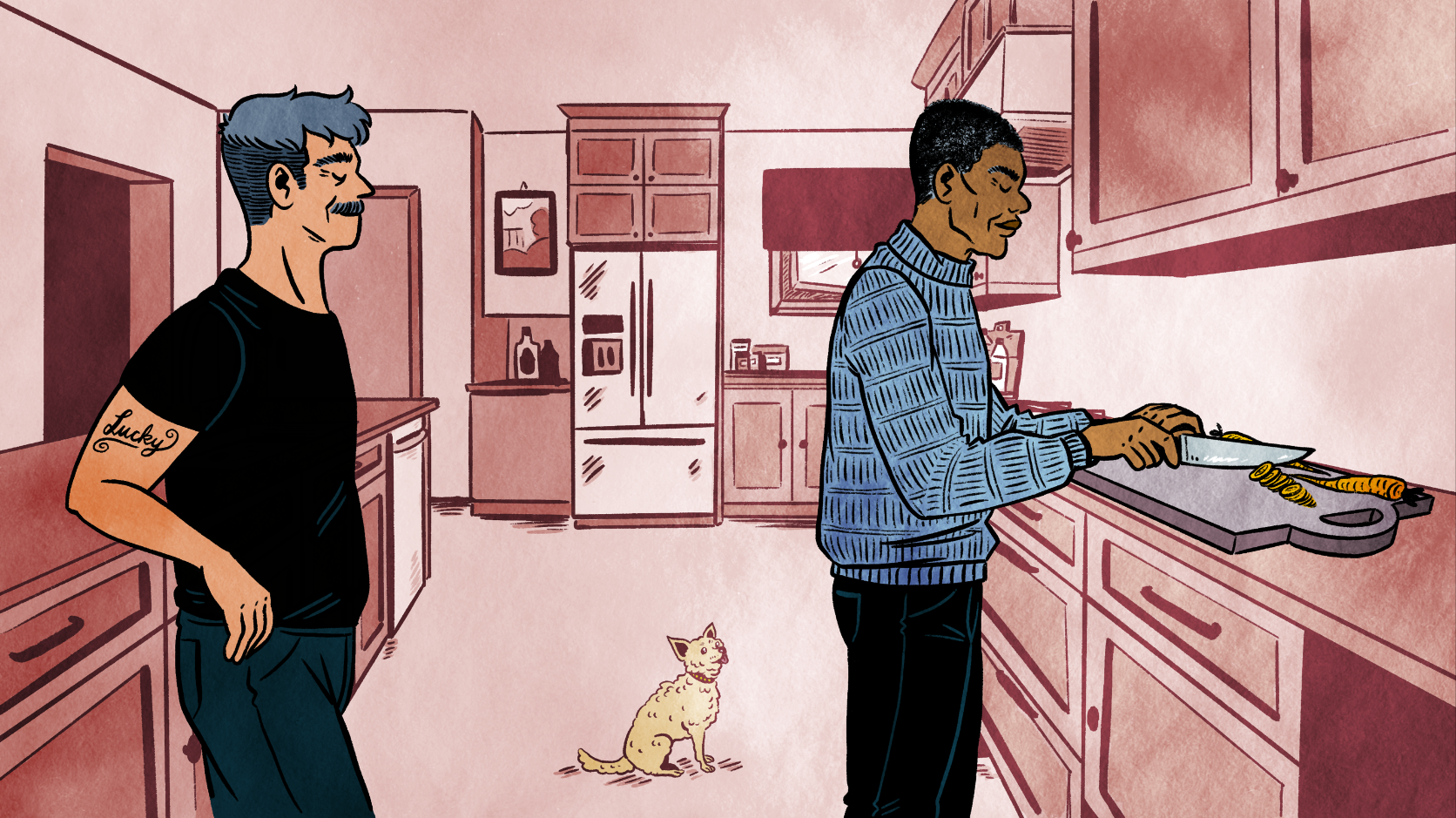
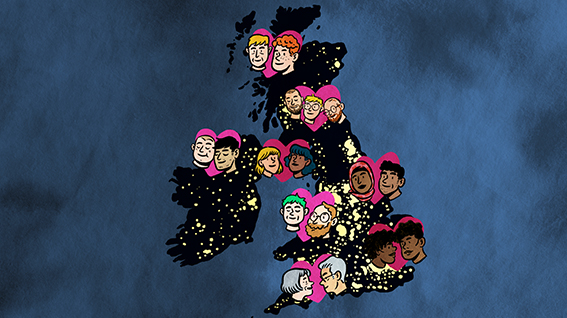
We were interested in what this development has meant for people living with HIV and their partners. To find out, we spoke to 30 gay and bisexual men in the UK in relationships, where one partner was HIV positive and the other HIV negative. These are sometimes called magnetic, serodifferent or serodiscordant relationships. Watch the video below to see what they said.
For many participants, HIV is not a worry in their day-to-day lives: it’s almost like it isn’t there. The only difference you might notice is the pills the positive partner takes every day. As one participant put it, “Nowadays when you’re on meds, you’re undetectable, you can live a normal life. He takes his pills when he needs to… and that’s that.”
Knowing that treatment prevents transmission of the virus means that some participants have stopped using condoms when having sex. Although some have decided to keep using condoms, those that have decided to stop said that it was a turning point in their relationship.
One HIV positive participant described how it was a way his partner could demonstrate that his status hadn’t changed anything. Another HIV negative participant told us that it was a decision that he and his partner could take together.
Despite HIV in many ways not being an important consideration, there are still ways in which it has had a damaging effect. For example, some HIV positive participants who had experienced rejection because of their status before they met their partner, felt lucky to be in a relationship. Others felt that they were not just responsible for their own health, but for their partners too. Some participants have not told their families and friends about their different statuses and worry about what people might think. These experiences show how HIV stigma continues to shape the participants’ relationships, even if day-to-day they felt the virus has no impact.
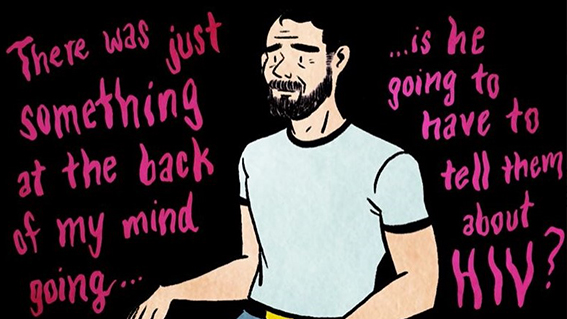
More positively, some participants use their relationships as an opportunity to raise awareness among friends, family and the wider public about U=U and what it has meant for them. They’re clear that the more people who know about U=U, the easier it will be for other people to be open about their experiences. With a recent survey by the National AIDS Trust suggesting that more than half of the UK public did not believe U=U was true, there is a long way to go.
Reducing the stigma of HIV is an important step if we are to achieve the goal of zero new transmissions in the UK by 2030 or globally.
So, this World AIDS Day why not take some time to see what’s changed since It’s A Sin, learn about U=U and think again about HIV and relationships.
Discover more content like this
-
World AIDS Day
Read now to access more details of World AIDS Day1 December is World AIDS Day, a day designed to show support for people living with HIV and to commemorate people who have died.

Visit our dedicated LGBTQ hub
-
LGBTQ hub
Learn more to access more details of LGBTQ hubTake a look at our collection of free resources focusing on LGBTQ+ history.







Rate and Review
Rate this video
Review this video
Log into OpenLearn to leave reviews and join in the conversation.
Video reviews