
1 Hope
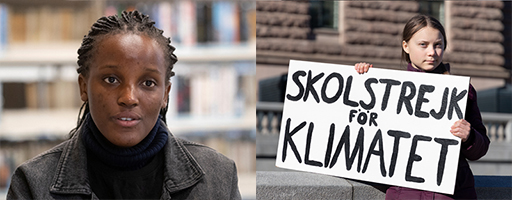
In 2018, at the age of 15, environmental activist Greta Thunberg wrote a column for The Guardian, a UK newspaper. Thunberg explained that her frustration at the inaction of adults in Sweden over climate change prompted her to begin a school strike, leaving her classroom to sit outside the Swedish parliament.
In the column, Thunberg made the point that:
If I live to be 100, I will be alive in 2103. Adults often don’t think beyond the year 2050. But by then, I will, in the best case, not have lived half of my life. What we do or don’t do right now will affect my entire life and the lives of my friends, our children and their grandchildren.
Thunberg’s comment reminds us that children and young people are concerned with, and directly affected by, issues in the world around them. Supporting them to develop skills and attributes that enable them to take a non-violent stand can help them become national and global citizens with hopes for a positive future.