
2 Youth sport, diversity and inclusion
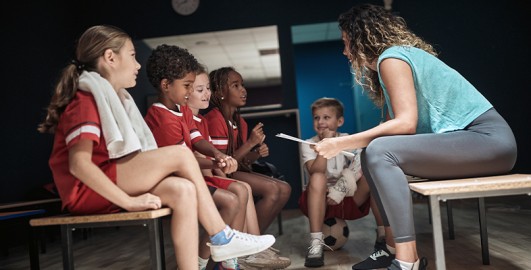
A passion for sport is shared right across communities and provides an opportunity for children from different backgrounds to come together and make friendships with people that they may otherwise not encounter. It can help develop a sense of belonging and cooperation between families and across diverse local communities in relation to people’s racial, ethnic, cultural and religious backgrounds. This ethnic diversity can vary considerably depending on the demographic of specific communities, some of which might be extremely diverse, such as large, densely populated urban areas while other areas may contain a high percentage of people who might identify as having the same ethnicity.
As any coach will know, no one child is the same. Working with young people over any period of time can highlight how each individual has their own particular interests, ways of acting, views about things and, of course, their own specific strengths and abilities when it comes to sport. At the same time, however, some people share similarities with others that can become markers of difference to other people too.
A young person’s ethnic background can influence how much they feel welcomed into a new sport, which in turn can shape the decisions they make about which sports to pursue or to avoid (Bopp et al., 2022). In many cases, the coach can be the most significant person in shaping the initial and ongoing experiences of children and young people in sport.
Activity 1 Thinking about your current practice
If you have experience of coaching, or supporting people in another role in sport, how welcome do you think you make new participants to your environment? How well do you know all of your players? Do you find it easier to get to know some players more than others? Why do you think that might be? It is recognised that people tend to gravitate towards people they feel connected to in some way or have things in common. Lots of different reasons could be common interests, such as where they live, their heritage, shared personal connections, what they look like, shared cultural practice (e.g. religion). Think about all the people you coach – which ones do you know more than others and reflect on why that might have come about?
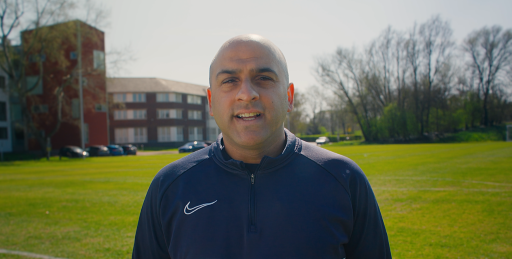
In the next video you will hear from Asad Qureshi – the coach that featured in the earlier introduction to the course. Watch Asad briefly discuss how he draws on his own personal experience to inform how he tries to get to know his players.
Transcript
ASAD QURESHI
My name is Asad Qureshi, and I’ve been coaching for approximately 15 years. Yeah, I definitely think it can be daunting for a player from an ethnic minority background to come into a session. I’d probably relate it back to myself as a young person and being at school, and you’d take the day off for ease, and your friends wouldn’t necessarily know why you’re taking the day off.
So you come back the day after, and you’re a bit nervous about explaining something different to people. So I think I probably try use my own experience of maybe being a little bit shy to be the one to maybe drive those conversations for the sake of the young person that has come to the session. And I think that’s huge to make them feel welcome, to try to understand.
I think it’s important to get to know your players, because every player is going to be different. Players might look the same, but their background could still be totally different. So I think, in order to get the best out of people, it’s important that you can-- you know them, you understand them, and you can connect with them.
And I think it’s building that connection is-- that’s what you'll rely on later for yourself as a coach, but also for the player. So I think it’s very important to get to know your players as much as possible.
In the video, Asad mentions the importance of building early connections with young players and also recognising that some young people may find attending sport sessions quite daunting or intimidating, particularly if they are not made to feel welcome or find it difficult to immediately connect with people in the environment. Later in the course you will explore some practical tips that coaches can use to include and connect with new and returning players and ensure a welcoming environment is created.