
Glossary
- Carrying capacity
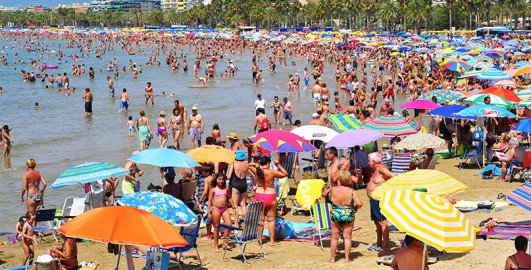
- Carrying capacity is the number of tourists (and local people) a specific place – for example a cultural heritage site or hotels in a particular area – can hold without any negative effects.
- Direct income
- It’s appropriate to say here that money spent by tourists is called direct income.
- Leakage
- Money leaving the country is called leakage. Although leakage can also happen at a local and regional level, the focus here is at a national level.
- Multiplier effect
- Money associated with tourism should filter down to others in the community, making a positive difference, rather than leaving the community through leakage.
- Overtourism
- Mandic (2022) calls overtourism ‘the desperate addiction of tourism destinations to growth, which is often incompatible with sustainability goals and principles’.
- Social enterprise
- Social enterprises are businesses that ‘prioritise benefit to people and planet, and use the majority of any profit to further their mission. Social enterprises contribute to reducing economic inequality, improving social justice and to environmental sustainability’. (See What is a social enterprise, how do they work & what do they do? [Tip: hold Ctrl and click a link to open it in a new tab. (Hide tip)] ).
- Touristification
- This is where all the infrastructure in a destination becomes only about tourism and tourists, rather than supporting those that live in the destination year-round. Imagine if your local supermarket became a souvenir shop!