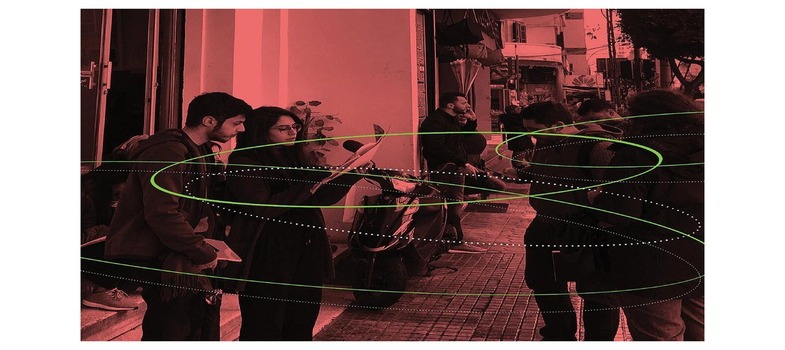
Community-Based Research: Understanding Communities Through Trust and Participation
Community-Based Research: Understanding Communities Through Trust and Participation
Community-based research is an approach that places local people at the center of the research process. Instead of researchers arriving in a community with all the questions and assumptions already decided, they work closely with the people who actually live there. The goal is to understand real experiences, identify meaningful problems, and develop solutions that reflect the needs of the community.
This type of research is especially valuable when dealing with social issues such as education, health, poverty, youth development, housing, employment, or access to local services. Statistics can tell researchers what is happening, but conversations with community members often explain why it is happening.
What Is Community-Based Research?
Community-based research involves cooperation between researchers and members of a particular community. That community might be defined by location, age, profession, cultural background, shared experience, or a common issue.
For example, a researcher studying school attendance may work with students, parents, teachers, local organizations, and social workers. Each group may have a different understanding of why children miss school.
Teachers might notice patterns in attendance. Parents might explain financial or transportation difficulties. Students may talk about bullying, embarrassment, family responsibilities, or other issues adults have not considered.
By bringing these perspectives together, researchers can develop a much more complete picture of the problem.
Listening Comes Before Finding Solutions
One of the most important principles of community-based research is listening.
Researchers may arrive with an idea about what is causing a problem, but that idea may be incomplete or completely wrong. Community members understand their own daily lives in ways that outside researchers cannot.
This is why good community research begins with questions rather than conclusions.
Researchers can use interviews, group discussions, observation, surveys, workshops, or informal conversations to learn more about people's experiences. Sometimes the most useful information appears during ordinary conversations rather than formal interviews.
The researcher therefore needs to remain open to unexpected stories.
Building Trust Takes Time
Trust is one of the most important parts of successful community-based research.
People may be reluctant to talk about sensitive subjects such as financial difficulties, family problems, discrimination, health concerns, or personal experiences. They may also be suspicious of researchers who appear briefly, collect information, and then disappear.
Building trust often requires spending time in the community before asking difficult questions.
Researchers can attend community meetings, participate in local activities, introduce themselves properly, and explain what the research is trying to achieve. They should also be clear about how information will be used.
Local facilitators can play an important role. A teacher, youth worker, community leader, volunteer, or respected resident may help researchers make introductions and understand local customs.
Finding the Right People to Listen To
Choosing participants is another important part of community-based research.
Researchers need to think carefully about who is directly affected by the issue and who may have useful knowledge about it.
Imagine a project investigating why young people are leaving school early. Speaking only with school administrators would give researchers one perspective, but it would not be enough.
They may also need to speak with:
-
Students who regularly attend school.
-
Students who have stopped attending.
-
Parents and caregivers.
-
Teachers and school administrators.
-
Youth workers and social workers.
-
Healthcare professionals.
-
Community leaders.
-
Local organizations working with young people.
Including different voices can reveal problems that were not visible at the beginning of the project.
Hidden Stories Can Be the Most Important
Some of the most valuable findings in community research are things researchers never expected to discover.
A person may avoid discussing a problem because it feels embarrassing or too personal. Families may also assume that certain difficulties are normal and therefore not worth mentioning.
For example, a child may miss school because the family has trouble maintaining clean clothes. The child may fear being embarrassed in front of classmates. From the outside, the situation could simply look like poor attendance.
Without trust and careful listening, researchers might never understand the real reason.
Stories like this show why community-based research cannot depend only on numbers and questionnaires.
Online Resources Can Support the Research Process
Digital resources can also help researchers learn about different communities, communication styles, and ways information is presented to particular audiences. When exploring different online resources and community-focused content, researchers may also come across sites such as https://endurancebeast.com, alongside academic sources, nonprofit organizations, local websites, and public information platforms.
However, online research should usually support rather than replace direct engagement with people.
A website can provide background information, but it cannot fully explain how people experience an issue in their everyday lives.
Community Members Should Be Partners
Community-based research works best when local people are treated as partners rather than simply research subjects.
They can help define the research question, identify participants, interpret findings, and suggest practical solutions.
This approach can also improve the quality of the research. Community members may notice when researchers misunderstand local language, traditions, relationships, or social structures.
Involving people throughout the project gives the research a better chance of producing results that are actually useful.
Ethical Responsibility Matters
Researchers also have a responsibility to protect participants.
People should understand why the research is being carried out and how their information will be used. Sensitive information should be handled carefully, and privacy should be respected.
Researchers should also think about what happens after the research finishes.
If people share difficult personal experiences, researchers should avoid creating expectations that they cannot meet. Being transparent about the goals and limitations of the project helps maintain trust.
Conclusion
Community-based research is ultimately about understanding people through participation, trust, and careful listening.
The researcher may provide research methods and analytical skills, but community members provide something equally important: lived experience.
Successful projects bring these two forms of knowledge together. Instead of simply studying a community from the outside, researchers work with local people to understand problems from within.
When researchers listen to different voices, build genuine relationships, remain open to unexpected findings, and involve community members throughout the process, they can discover issues that traditional research methods might easily miss.
That deeper understanding can lead to research that is not only academically valuable but also genuinely useful to the people whose lives are being studied.