1.6 From research to intervention: the Hamra prosperity index
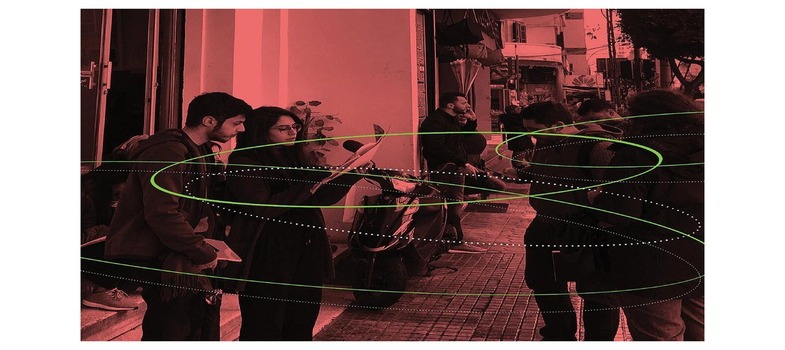
The RELIEF Centre undertakes research on wellbeing and its challenges in local neighbourhoods. We adopt a participatory approach working with community-based researchers we call "citizen scientists” to develop urban interventions that address their own community’s needs and create positive change in the neighbourhood.
Mayssa Jallad, citizen science co-ordinator and researcher, has some advice for anyone wanting to conduct research like this. She says that it is important to adapt research training to the skills that citizen scientists bring to the research. In addition, she emphasizes that keeping good communication and a clear channel of support with them is essential throughout the research.
The RELIEF Centre’s first site of enquiry was the neighbourhood of Beirut, Lebanon, called Hamra, which an area located in the north-western part of the city. It is a socially and economically vibrant hub for cultural activities, as well as one of Lebanon’s most diverse and cosmopolitan urban areas.
However, despite having the reputation of an affluent neighbourhood with high-end residential towers, upscale hotels, and prestigious universities, Hamra also has residents who live in conditions of extreme social and economic vulnerability.
In the video you can see how you can move from conducting community-based research about a neighbourhood to making research-informed changes to benefit your community. Citizen Scientists involved in mapping prosperity in a neighbourhood in Beirut, Lebanon, share their plans for evidence-based interventions that will benefit the whole community.
In Hamra, the citizen scientists proposed three interventions. The Jouwan Online School is a free online education service for out of school teenagers living in Hamra. The Goods of our City project is a roof-planting initiative aimed at reinforcing food-security. Wirash is an enterprise-promoting task-force that documents struggling workshops and aims to “put them on the map”.
Over to you
In the forum, discuss how do you think that interventions are improved by conducting research first? Do you have any examples to share?