
Co-benefits
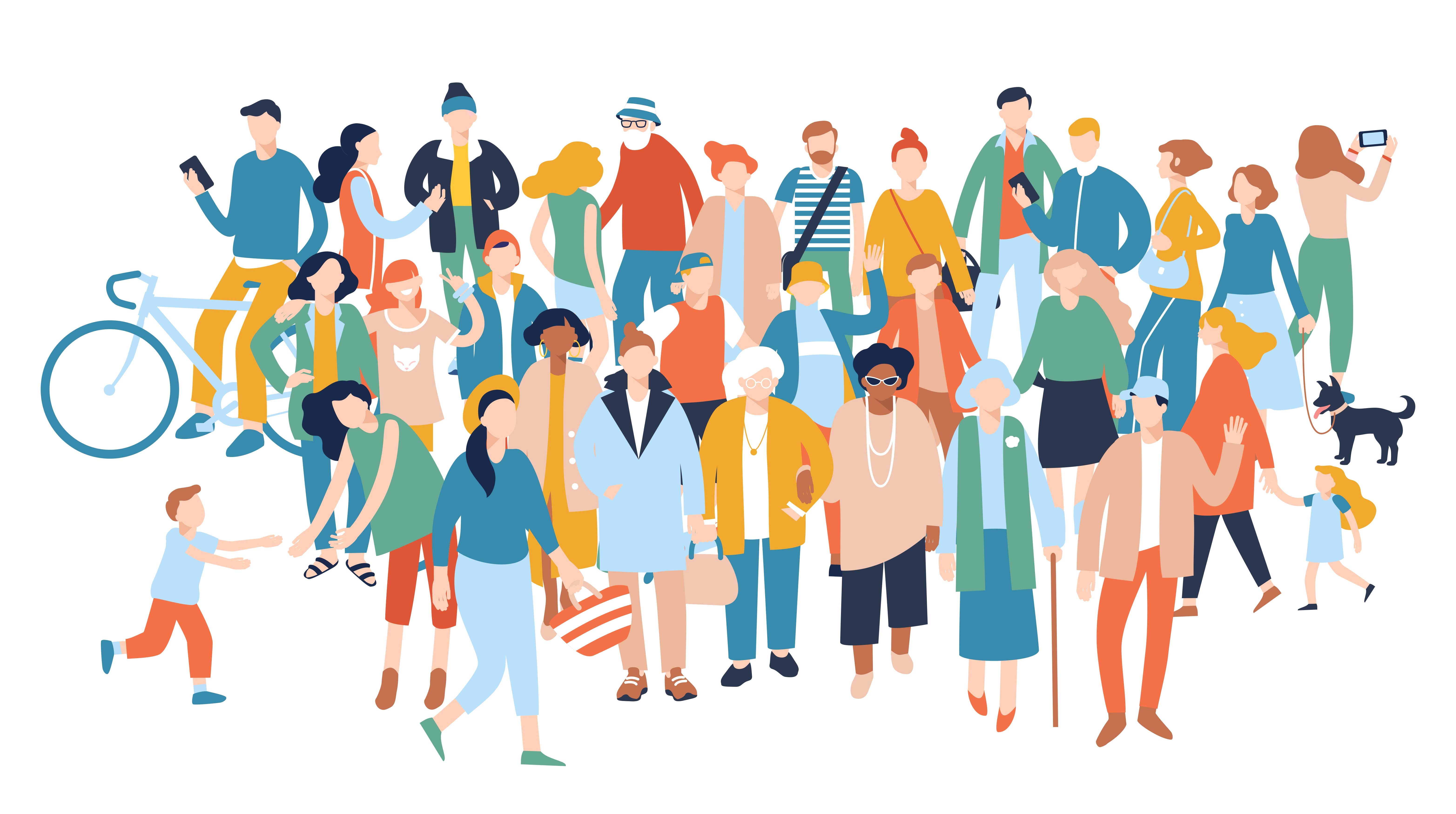
Earlier in the course we saw the way that diverse needs can overlap. As well as these overlaps, there are what’s known as co-benefits, too. This means that it isn’t just disabled users who benefit from accessible sites. Digital accessibility benefits us all.
An accessible site is easier for everyone to use
Let's think about a real-world example for a moment. In the UK, dropped curbs were introduced in the 1960s. They were originally meant to help wheelchair users as they tried to cross roads and so on. A co-benefit was that parents pushing buggies also found it easier to get around. The same thing applies to websites and digital services as well; the easier they are for users with additional needs, the easier they are for everyone.
An accessible site is a more sustainable site
Digital sustainability is an increasingly important consideration. It refers to the environmental impact of all things digital. Think about the electricity you need to run digital sites and systems. Think about the water that is used to keep servers cool enough. Think about the materials that are required to build a computer in the first place! Sustainability touches all parts of the digital world.
It's easy to forget that every site and system has a carbon footprint. Every click, every page load, every image has a carbon impact. If users have to take long journeys through sites and services, or if they have to load excessive images and files, their digital carbon footprint grows.
Promoting accessibility work is reputation building
The better your reputation in your field, the more students and users you are going to have, and the more money you can make. By contrast, a negative reputation can be a black mark that is hard to get rid of.
Take a moment to reflect on the impact your reputation has.
Hidden disabilities