Case Studies of Major Cyberattacks, Data Breaches, and Their Impact
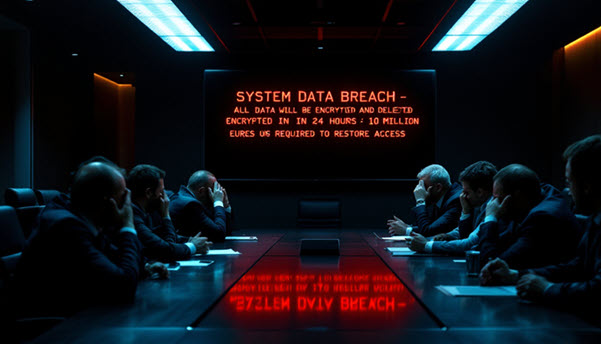
Let's take a look at the biggest cyberattacks, breaches, hacks, and their financial implications.
Equifax Data Breach (2017)
The Equifax data breach is one of the most infamous cybersecurity failures in history, exposing the personal information of 147 million Americans (FTC, 2017).
The breach, which occurred between May and July 2017, was due to a vulnerability in Apache Struts, a widely used open-source framework. Attackers exploited this vulnerability to gain access to Equifax’s systems and steal sensitive data, including names, Social Security numbers, birthdates, addresses, and in some cases, driver’s license numbers and credit card details.
The financial and reputational damage was catastrophic. Equifax was fined $425 million as part of a settlement with the Federal Trade Commission (FTC), the Consumer Financial Protection Bureau, and 50 U.S. states.
The breach severely damaged consumer trust, with many questioning how a company responsible for safeguarding financial data could have such inadequate security measures.
Additionally, Equifax's stock plummeted in the aftermath, wiping out billions in market value.
The breach highlighted the importance of timely security patching and vulnerability management, as the exploited Apache Struts flaw had a known fix available months before the attack.
"$425M in damages as a result of one single data breach"
SolarWinds Supply Chain Attack (2020)
The SolarWinds cyberattack, which was discovered in December 2020, is one of the most sophisticated and damaging supply chain attacks ever recorded (Sans Institute, 2021).
Hackers, believed to be associated with Russian intelligence, inserted malicious code into the Orion software update, a network management tool used by over 33,000 organizations, including U.S. government agencies, Fortune 500 companies, and cybersecurity firms.
This attack remained undetected for months, allowing attackers to monitor internal emails, steal sensitive data, and compromise high-level government and corporate networks. Among the affected organizations were the U.S. Department of Defense, Treasury, Homeland Security, Microsoft, and FireEye, a leading cybersecurity firm that helped uncover the breach.
The total damage is difficult to quantify, but estimates suggest that the breach resulted in billions of dollars in costs related to incident response, mitigation, and infrastructure hardening. The SolarWinds attack exposed the vulnerabilities inherent in software supply chains, emphasizing the need for zero-trust security models, improved software integrity checks, and stronger third-party risk management.
"Billions of dollars in costs from one cyberattack"
Colonial Pipeline Ransomware Attack (2021)
The Colonial Pipeline attack was a ransomware incident that disrupted the largest fuel pipeline in the United States, causing massive economic and logistical consequences. The attack, which took place in May 2021, was perpetrated by the DarkSide ransomware group, who gained access through a compromised VPN password that lacked multi-factor authentication.
Once inside, the attackers encrypted critical IT systems, leading to the company shutting down operations for nearly a week, which triggered fuel shortages, price spikes, and panic buying across the East Coast.
The U.S. government declared a state of emergency, and Colonial Pipeline ultimately paid a $4.4 million ransom in Bitcoin to regain access to its systems, although the FBI later recovered $2.3 million of the payment.
The attack exposed the vulnerabilities of critical infrastructure and highlighted the national security risks posed by ransomware gangs. Following the attack, President Biden issued an executive order on cybersecurity, mandating stricter security controls, enhanced threat intelligence sharing, and improved incident response planning for infrastructure operators.
Target Data Breach (2013)
In 2013, retail giant Target suffered a massive data breach that compromised the credit and debit card information of 40 million customers and personal data of 70 million additional individuals. The attack originated when hackers compromised a third-party HVAC vendor, gaining access to Target’s internal network and then infiltrating the point-of-sale (POS) system to install malware that harvested payment card details.
The financial fallout was enormous. Target faced around $300 million in costs related to legal fees, class action lawsuits, settlements, and security upgrades (NBC, 2014; SSL Store, 2014). The company also suffered reputational damage and a decline in customer trust, impacting sales during the peak holiday season.
This case underscored the risks of supply chain vulnerabilities and the need for stronger third-party security policies, including network segmentation, stricter access controls, and continuous vendor security monitoring.
Yahoo Data Breach (2013-2014)
The Yahoo data breach, initially reported in 2016, remains one of the largest data breaches in history, affecting 3 billion user accounts. The breach occurred over multiple incidents in 2013 and 2014, but Yahoo failed to disclose the full extent of the breach until years later.
Attackers stole names, email addresses, hashed passwords, phone numbers, and security questions, which could be used for identity theft and credential stuffing attacks. Yahoo's failure to promptly report the breach resulted in a $35 million fine from the SEC (Fisher Phillips, 2014) and a $117.5 million class-action settlement (Yahoo Data Breach Settlement, 2019).
Moreover, the breach significantly devalued Yahoo’s acquisition price when Verizon purchased the company in 2017.
This case highlighted the importance of transparency in breach disclosure, as well as the need for companies to enforce stronger encryption, password policies, and multi-factor authentication to protect user data.
Marriott International Data Breach (2018)
In 2018, Marriott International disclosed that 500 million guest records had been compromised in a breach originating from unauthorized access to its Starwood Hotels reservation system. The breach, which had gone undetected since 2014, resulted in the theft of passport numbers, credit card details, and personal information of millions of customers worldwide.
The company incurred $28 million of expenses related to the data security incident, the company said in a press release (Bitdefender, 2018).
The breach led to $23.8 million in GDPR fines, multiple lawsuits, and significant reputational damage (Cybersecurity Dive, 2020). Marriott had inherited the security vulnerabilities when it acquired Starwood Hotels, underscoring the risks associated with mergers and acquisitions in cybersecurity.
This incident emphasized the need for extensive security audits during acquisitions and the importance of continuous monitoring of customer data storage systems.
Brenntag Ransomware Attack (2021)
In May 2021, the chemical distribution company Brenntag fell victim to a ransomware attack orchestrated by the DarkSide hacker group, the same cybercriminal organization responsible for the Colonial Pipeline attack.
The attackers stole 150 GB of sensitive data and initially demanded a $7.5 million ransom in Bitcoin in exchange for the decryption key and the assurance that the stolen data would not be leaked. After negotiations, Brenntag paid $4.4 million, making it one of the highest-known ransomware payments in history (IT Governance, 2022).
The attack had severe financial and operational consequences, forcing the company to halt operations while they investigated the breach and strengthened their cybersecurity defenses. The financial loss extended beyond the ransom payment, as the company also faced legal fees, incident response costs, and reputational damage.
The attack highlighted the increasing risk that critical supply chain and industrial companies face from ransomware groups, demonstrating the growing importance of cybersecurity measures in sectors beyond traditional IT-dependent businesses.
Acer Ransomware Attack (2021)
In March 2021, Acer, the multinational computer manufacturer, became the target of a $50 million ransomware attack, one of the largest ransom demands ever recorded (Bleeping Computer, 2021).
The REvil hacker group exploited a vulnerability in a Microsoft Exchange server to gain access to Acer’s network, stealing sensitive financial documents, spreadsheets, and other proprietary information.
Although Acer did not publicly confirm whether it paid the ransom, the attack exposed the growing threat of vulnerabilities in enterprise software. The company suffered a significant reputational hit, as well as potential legal and compliance-related consequences for failing to adequately protect sensitive financial information.
This attack underscored the need for businesses to regularly patch software vulnerabilities and strengthen their cybersecurity posture to prevent attackers from exploiting known flaws.
JBS Foods Ransomware Attack (2021)
JBS Foods, one of the largest meat processing companies in the world, suffered a ransomware attack in May 2021, disrupting operations across multiple countries.
The attack, attributed to the Russia-based REvil hacker group, forced JBS to shut down its meat processing plants in the U.S., Canada, and Australia. Although food shortages were not as severe as initially feared, the attack highlighted the fragility of global food supply chains when key suppliers are targeted.
JBS Foods ultimately paid an $11 million ransom in Bitcoin after consulting with cybersecurity experts, making it one of the largest ransomware payments on record (CNN, 2021). The attack demonstrated how cybercriminals are increasingly targeting critical infrastructure and supply chains for large payouts, forcing governments and industries to reassess their cyber resilience and incident response strategies.
Quanta Ransomware Attack (2021)
In April 2021, Quanta, a major Taiwanese computer manufacturer and supplier for Apple, was targeted by the REvil ransomware gang.
The attackers initially demanded a $50 million ransom, threatening to leak stolen blueprints for Apple’s upcoming product designs (Touro University Illinois, 2022).
When Quanta refused to negotiate, the attackers shifted their focus to Apple itself, publicly releasing details of unreleased MacBook designs and threatening to publish more sensitive documents.
This attack highlighted the risks of supply chain vulnerabilities, as hackers targeted third-party vendors to pressure larger corporations into paying ransoms.
While Quanta did not confirm whether they paid any ransom, the breach emphasized the growing risk for technology manufacturers and their partners, who store highly sensitive intellectual property and trade secrets that could be exploited for competitive or financial gain.
National Basketball Association (NBA) Data Breach (2021)
In April 2021, the NBA was targeted by the Babuk ransomware group, which claimed to have stolen 500 GB of confidential data related to the Houston Rockets. The hackers threatened to leak financial information, contracts, and other sensitive documents unless a ransom was paid (Touro University Illinois, 2022).
The attack demonstrated that sports organizations and entertainment industries are not immune to cyber threats, particularly those that handle high-value financial and proprietary data.
While the NBA did not publicly acknowledge whether a ransom was paid, the attack served as a warning for organizations outside the traditional financial and technology sectors.
It highlighted the importance of securing sensitive business contracts, financial records, and internal communications, which could be exploited for extortion or competitive advantages.
AXA Insurance Ransomware Attack (2021)
In May 2021, the European insurance giant AXA suffered a major ransomware attack by the Avaddon hacker group, which came just weeks after AXA announced it would stop covering ransomware extortion payments in France.
The attack resulted in 3 TB of stolen data, including sensitive customer claims, medical records, and personal financial information (BlackFog, 2021).
The irony of the attack, coming right after AXA’s policy change, was not lost on cybersecurity experts. It demonstrated that cybercriminals actively target businesses that take strong stances against ransomware payments, potentially as a form of retaliation or warning to other firms considering similar policies.
The breach also raised serious concerns about the security of personal healthcare and insurance data, showing how cyberattacks can directly affect individuals as well as businesses.
CNA Financial Ransomware Attack (2021)
In March 2021, CNA Financial, one of the largest insurance firms in the U.S., fell victim to a ransomware attack linked to Evil Corp, a notorious Russian cybercriminal group. Hackers used Phoenix CryptoLocker malware to encrypt 15,000 devices, including those of remote employees working from home.
CNA reportedly paid a $40 million ransom, making it one of the highest ransomware payments in history (Bleeping Computer, 2022). The attack underscored the vulnerabilities of financial and insurance institutions, as well as the challenges of securing hybrid workforces that rely on remote access to sensitive data.
This breach reinforced the importance of endpoint security, multi-factor authentication, and employee cybersecurity awareness training.
CD Projekt Red Data Breach (2021)
In February 2021, Polish video game developer CD Projekt Red, best known for creating Cyberpunk 2077 and The Witcher series, was targeted by the HelloKitty ransomware gang. The attackers stole and encrypted source code for several high-profile game projects and demanded a ransom. CD Projekt Red refused to pay, choosing instead to restore from backups and publicly disclose the breach (Extreme Tech, 2022).
Although the company avoided financial extortion, the attack led to significant reputational damage, as hackers released stolen code and internal documents online.
This case highlighted the risk of intellectual property theft in the gaming industry, where leaked code can compromise future game releases and give competitors an unfair advantage.
Kaseya Supply Chain Attack (2021)
One of the most devastating cyberattacks of 2021 occurred in July when Kaseya, an IT management company, was compromised by REvil ransomware. Attackers infiltrated Kaseya’s Virtual System Administrator software, allowing them to deploy ransomware to thousands of businesses using Kaseya’s services.
REvil claimed to have encrypted one million devices and demanded a $70 million ransom, the largest public ransom demand to date.
The attack crippled businesses globally, including Swedish supermarket chain Coop, which had to close 800 stores for a week due to system outages (Touro University Illinois, 2022).
In a rare victory for cybersecurity professionals, the FBI obtained REvil’s encryption keys, allowing affected businesses to restore their systems without paying the ransom. This attack underscored the dangers of supply chain compromises, where a single trusted vendor can become a gateway for widespread cyberattacks.
Conclusion
These major cybersecurity breaches demonstrate the far-reaching consequences of cyberattacks on businesses, governments, and individuals.
Companies that fail to implement robust security measures not only suffer financial losses but also face regulatory penalties, loss of consumer trust, and long-term reputational damage.
As cyber threats continue to evolve, businesses must prioritize proactive security strategies, employee awareness training, and the adoption of modern cybersecurity frameworks to mitigate risks.
- Yahoo data breach affected 3 billion accounts, the largest in history
- Equifax breach exposed 147M records, costing $425M in fines
- SolarWinds hack compromised 33K+ organizations, including U.S. agencies
- Colonial Pipeline paid a $4.4M ransom, disrupting U.S. fuel supply
- Acer ransomware attack had a record $50M ransom demand
- Kaseya attack impacted 1M devices, with a $70M ransom demand
IBM. (2024). Cost of a Data Breach Report. Retrieved from https://www.ibm.com/reports/data-breach
Proofpoint. (2024). FBI’s IC3 Report: Losses to US Companies from Cybercrime Surpass $12.5 Billion—a New Record. Retrieved from https://www.proofpoint.com/us/blog/email-and-cloud-threats/fbis-ic3-report-losses-cybercrime-surpass-125-billion-new-record
UpGuard. (2024). What is the Cost of a Data Breach in 2024? Retrieved from https://www.upguard.com/blog/cost-of-a-data-breach-2024
Verizon. (2024). 2024 Data Breach Investigations Report. Retrieved from https://www.verizon.com/business/resources/reports/dbir/
Palo Alto Networks. (2021). 2021 Unit 42 ransomware threat report. Unit 42. https://unit42.paloaltonetworks.com/ransomware-threat-report-highlights/
Stockholm International Peace Research Institute. (2024). Global military spending surges amid war, rising tensions, and insecurity. https://www.sipri.org/media/press-release/2024/global-military-spending-surges-amid-war-rising-tensions-and-insecurity
World Bank. (2024). Military expenditure: United States. https://data.worldbank.org/indicator/MS.MIL.XPND.CD?locations=US
Bitdefender. (2024). Marriott data breach costs. Retrieved from https://www.bitdefender.com/en-us/blog/hotforsecurity/marriott-data-breach-cost-the-hotel-chain-only-3-million-in-net-expenses-so-far
Cybersecurity Dive. (2021). Marriott finds financial reprieve in reduced GDPR penalty. Retrieved from https://www.cybersecuritydive.com/news/marriott-finds-financial-reprieve-in-reduced-gdpr-penalty/588190/
Yahoo Data Breach Settlement. (2019). Yahoo data breach settlement. Retrieved from https://yahoodatabreachsettlement.com/
Federal Trade Commission. (2024). FTC takes action against Marriott-Starwood over multiple data breaches. Retrieved from https://www.ftc.gov/news-events/news/press-releases/2024/10/ftc-takes-action-against-marriott-starwood-over-multiple-data-breaches
Federal Trade Commission. (2019). Equifax data breach settlement. Retrieved from https://www.ftc.gov/enforcement/refunds/equifax-data-breach-settlement
SANS Institute. (2021). What you need to know about the SolarWinds supply chain attack. Retrieved from https://www.sans.org/blog/what-you-need-to-know-about-the-solarwinds-supply-chain-attack/
Touro University Illinois. (2021). The 10 biggest ransomware attacks of 2021. Retrieved from https://illinois.touro.edu/news/the-10-biggest-ransomware-attacks-of-2021.php
The SSL Store. (2017). 2013 Target data breach settled. Retrieved from https://www.thesslstore.com/blog/2013-target-data-breach-settled/
NBC News. (2017). Target settles 2013 hacked customer data breach for $18.5 million. Retrieved from https://www.nbcnews.com/business/business-news/target-settles-2013-hacked-customer-data-breach-18-5-million-n764031
IT Governance. (2021). The 5 biggest ransomware payouts of all time. Retrieved from https://www.itgovernance.co.uk/blog/the-5-biggest-ransomware-pay-outs-of-all-time
BleepingComputer. (2021). Computer giant Acer hit by $50 million ransomware attack. Retrieved from https://www.bleepingcomputer.com/news/security/computer-giant-acer-hit-by-50-million-ransomware-attack/
CNN. (2021). JBS cyberattack and its impact on the global meat supply chain. Retrieved from https://www.cnn.com/2021/06/01/business/jbs-cyberattack-meat-shortage/index.html
BlackFog. (2021). The state of ransomware in 2021. Retrieved from https://www.blackfog.com/the-state-of-ransomware-in-2021/
BleepingComputer. (2021). Insurance giant CNA hit by new Phoenix CryptoLocker ransomware. Retrieved from https://www.bleepingcomputer.com/news/security/insurance-giant-cna-hit-by-new-phoenix-cryptolocker-ransomware/
ExtremeTech. (2021). Cyberpunk developer hit with ransomware attack. Retrieved from https://www.extremetech.com/gaming/319882-cyberpunk-developer-hit-with-ransomware-attack
ZDNet. (2021). Updated Kaseya ransomware attack FAQ: What we know now. Retrieved from https://www.zdnet.com/article/updated-kaseya-ransomware-attack-faq-what-we-know-now/