Freelance Cybersecurity Careers

For professionals seeking flexibility and independence, freelancing in cybersecurity provides a wealth of opportunities.
Freelancing provides individuals with the flexibility to design their own schedules, allowing them to work at times that best suit their productivity and lifestyle. Unlike traditional jobs with fixed hours, freelancers have the freedom to take breaks, set their own deadlines, and adjust their workload based on personal or professional needs. This makes it easier to balance work with other commitments, such as family, travel, or personal projects.
Another advantage of freelancing is the ability to choose clients and projects that align with one’s skills, interests, and values. Instead of being assigned tasks by an employer, freelancers have the autonomy to accept or decline work, giving them greater control over their career path. For example, one computer security consultant might choose to work for tech startups, while another cybersecurity expert could focus on penetration testing for financial institutions.
This freedom extends beyond projects—it also means freelancers don’t have to deal with toxic coworkers or an overbearing boss. Unlike a traditional job, where you're stuck with difficult colleagues or managers you dislike, freelancing allows you to work independently or collaborate only with people you respect and enjoy working with.
Additionally, freelancing allows for remote work, enabling professionals to operate from anywhere in the world. Whether working from home, a co-working space, or a beachside café, freelancers are not tied to a specific location. This is particularly beneficial for digital nomads who enjoy traveling while maintaining a steady income. For instance, a computer security professional could complete assignments for a U.S.-based company while living in Thailand, or a system security analyst might collaborate with international clients from a remote mountain retreat.
With the combination of flexibility, project selection, location independence, and the ability to avoid toxic work environments, freelancing offers a refreshing alternative to the constraints of traditional employment.
Freelancing Job Opportunities
Many businesses, especially small and medium-sized enterprises, seek external cybersecurity specialists to protect their digital assets. Some common freelance cybersecurity roles include:
A Cybersecurity Consultant provides expert guidance to organizations on security best practices, risk management, and compliance with regulations. Consultants help businesses develop security strategies and implement defensive measures. A consultant might work with a startup to design secure authentication processes for their new mobile app.
A Bug Bounty Hunter is a cybersecurity professional who identifies and reports security vulnerabilities in exchange for financial rewards from companies and organizations running bug bounty programs. A bug bounty hunter might discover and report a critical flaw in a major social media platform’s security, preventing user data exposure.
An Ethical Hacker performs penetration testing and security assessments for clients, helping them discover weaknesses in their networks, applications, and systems before malicious hackers can exploit them. An ethical hacker might be hired to test the security of a hospital’s patient database to ensure confidential health information is secure.
A Compliance Auditor ensures that businesses meet regulatory security standards such as GDPR, HIPAA, and PCI-DSS. Auditors assess security policies and procedures to ensure legal and industry compliance. A compliance auditor might work with a financial services firm to ensure it adheres to banking industry regulations.
A Digital Forensics Specialist investigates cybercrimes by analyzing digital evidence, recovering compromised data, and assisting in legal proceedings related to cybersecurity incidents. A forensic specialist might assist law enforcement in tracing the origin of a hacking attack against a government agency.
A Cyber Risk Assessor evaluates security risks for businesses and provides recommendations to mitigate potential cyber threats, ensuring that organizations remain resilient against attacks. A risk assessor might analyze a company’s supply chain security to prevent third-party vendors from becoming attack vectors.
How Much Can You Earn Freelancing in Cybersecurity?
Freelancing in cybersecurity offers substantial earning potential, depending on skill level, experience, and specialization. Many cybersecurity freelancers earn six-figure incomes, with top professionals making well into the seven figures.
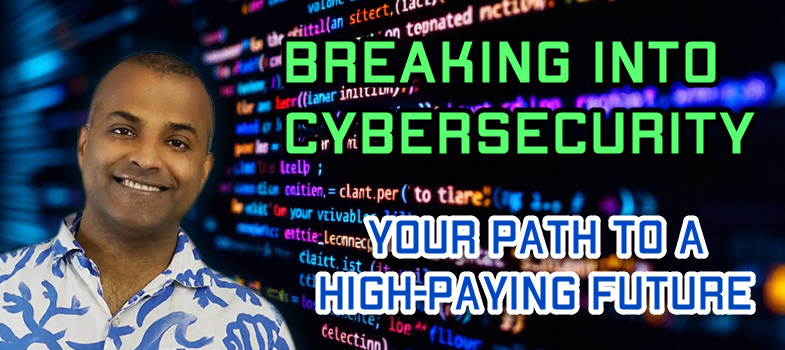
For example, your Instructor Nandy Bo has made over $1 million on Upwork alone freelancing as a cybersecurity consultant. His success showcases how lucrative cybersecurity freelancing can be with the right expertise and business strategy. Freelancers who build strong reputations, specialize in in-demand areas like ethical hacking or compliance auditing, and cultivate long-term client relationships can achieve similar levels of success.
On average, cybersecurity freelancers can expect to earn anywhere from $50 to $300 per hour, depending on their niche and experience. High-demand roles such as penetration testers, security consultants, and compliance auditors often command premium rates.
Additionally, bug bounty hunters have the potential to earn thousands of dollars per vulnerability they discover, with some earning well over $500,000 annually through bounty programs.
By leveraging expertise, networking effectively, and delivering consistent results, cybersecurity professionals can build highly profitable freelance careers in this ever-growing industry.
- Freelancing offers flexibility and freedom.
- Freelancers choose when to work and for whom.
- Freelancers can work remotely from anywhere in the world.
- Top freelance Bug Bounty Hunters can earn over $500,000 a year.
- Freelancer Cybersecurity Consultants can earn around $100,000 per year.