

7 Different modalities in simulation
Digital simulation in healthcare is a dynamic and integrated approach that combines various technological and human-based modalities to create immersive learning environments, with the purpose of advancing education, enhancing patient care, and supporting the evaluation of new technologies.
Here are some of the key modalities:
- Standardised Patients (SPs): these are trained actors who simulate real patient cases, allowing healthcare professionals to practice clinical and communication skills in a realistic scenario.
- Part-task trainers: these are physical models or devices that replicate specific parts of the human body or healthcare procedures. They are used to practice skills such as suturing, injections, or intubation.
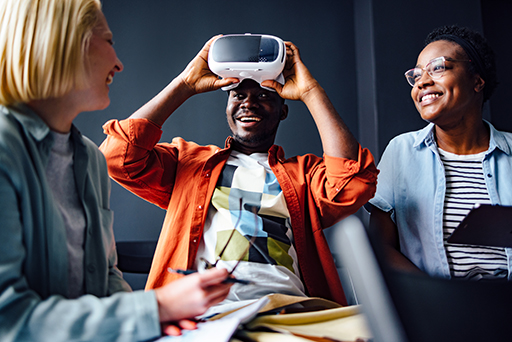
- Virtual Reality (VR): VR creates immersive, computer-generated environments where learners can interact with 3D models and scenarios. This modality is particularly useful for complex procedures and surgical training.
- Augmented Reality (AR): AR overlays digital information onto the real world, enhancing the learning experience by providing additional context and guidance during procedures.
- Computer-based simulations: these are software programs that simulate clinical scenarios and decision-making processes. They often include interactive elements and feedback to help learners improve their skills.
- Simulated clinical immersion: this involves creating a realistic clinical environment where learners can practice managing patient care in a controlled, risk-free setting. It often includes the use of high-fidelity mannequins that can mimic real patient responses.
- Hybrid simulations: these combine different modalities, such as using part-task trainers with standardised patients, to create more comprehensive and realistic training scenarios.
These modalities offer diverse and effective ways to enhance learning and improve patient care outcomes. (Conelius et al, 2023; CISL, N.D.).
Activity 4
Timing: 10 minutes
Reflection
Make your own notes in response to the following questions.
Which modalities would work in you area of practice the best and why?
- Think about the possible opportunities and limitations of using digital simulation modalities within your own practice setting.
- If possible, discuss this with a colleague and make some notes on your conclusions.
Interactive feature not available in single page view (see it in standard view).