


 free course icon
level 1: introductory icon
Badge icon
free course icon
level 1: introductory icon
Badge icon
Science, Maths & Technology
Understanding autism
Learn about autism, one of the most challenging long-term conditions of the century. This free course, Understanding autism, introduces the autism spectrum, how it is experienced by individuals and families, and why it has become a global concern. The course explains how understanding of the autism spectrum and approaches to diagnosis and care ...
 article icon
Health, Sports & Psychology
Is there such thing as ‘male’ and ‘female’ autism?
There can be differences in how autistic males and females present; this has led to suggestions that there is ‘male autism’ and ‘female autism’. Dr Emilia Misheva argues that those differences are better understood in the context of the externalised and internalised expressions of autism.
 article icon
Health, Sports & Psychology
Why an autistic meltdown or shutdown is not a ‘tantrum’
What is the difference between a meltdown and a shutdown, and why do autistic people react in this way when they are distressed and overwhelmed?
 article icon
Education & Development
Bias in ADHD and autism diagnosis
Awareness of neurodivergence is growing but recognition and diagnosis are still shaped by bias. From gender stereotypes to racial and socioeconomic inequalities, perceptions of who 'looks' neurodivergent continue to influence who is identified, supported and believed, and who is overlooked.
 article icon
Education & Development
When words escape control: Tourette syndrome and slurs
After the BBC broadcast a racial slur shouted by a guest with Tourette syndrome, the incident sparked outrage and an apology. But it also reveals a deeper linguistic question: when words cause harm, how much does intent matter?
 article icon
Health, Sports & Psychology
How can I support bereaved neurodivergent children?
Erica Borgstrom and Jon Rainford share how you can help bereaved neurodivergent children with some guidance and advice.
 article icon
Education & Development
SEND crisis: overdiagnosis - fact or fiction?
On average three pupils in every classroom will be dyslexic, yet only 20% of these pupils will be diagnosed. Kim Collett looks at whether there's an overdiagnosis or underdiagnosis in relation to Special Educational Needs and Disabilities (SEND).
 article icon
Education & Development
Five tips to make online teaching neuroinclusive
Online teaching is now central to distance education, yet many educators still feel unsure how to support neurodivergent learners. Cora Beth Fraser shares five practical, compassionate ways to make your digital classroom more inclusive.
 article icon
Education & Development
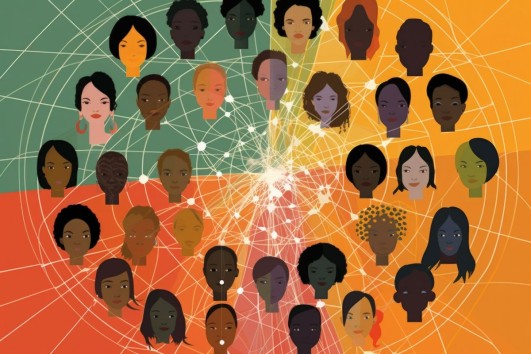
Mothering at the Margins: Amplifying and validating the voices of Black mothers of autistic children
Black mothers of autistic children face challenges that go far beyond parenting. This research reveals how racism, gender inequality and ableism combine to create a ‘triad of oppression’ and why urgent change is needed.
 free course icon
level 1: introductory icon
free course icon
level 1: introductory icon
Health, Sports & Psychology
Coaching neurodivergent athletes
This course will improve knowledge and understanding for anyone working with neurodivergent athletes in sport and exercise settings or with an interest in coaching neurodiverse athletes. Within the sport and exercise sector this may include those in coaching roles, as well as fitness instructors, personal trainers and wider exercise ...
 article icon
Health, Sports & Psychology
From ‘refrigerator mothers’ to paracetamol: why harmful autism myths are so common
Decades of research show that autism isn’t caused by parenting choices - yet myths that blame mothers continue to resurface. Donald Trump’s recent comments about paracetamol and pregnancy are just the latest example.
 free course icon
level 1: introductory icon
Badge icon
free course icon
level 1: introductory icon
Badge icon
Money & Business
Diversity and inclusion in the workplace
Do you feel concerned about a lack of diversity in your workplace? Is this something you want to address? Perhaps you’d like to feel more informed on a personal level before taking it further organisationally? This free course introduces you to the benefits and complexities of developing and supporting a diverse and inclusive workforce. It ...