
Find out about student views on sustainability in education and how student voices have informed and been integrated into the Words of Wisdom compendium.
Introduction
Welcome to Words of Wisdom, an online compendium of sustainability good practice gathered from colleagues across The Open University and beyond. This project showcases how sustainability is being meaningfully embedded into curricula and the student learning experience, through short, insightful contributions from educators and practitioners.
Each Word of Wisdom (WoW) is a bite-sized piece of advice—between 50 and 200 words—sharing practical examples, reflections, and lessons learned. These entries have been assessed using four key criteria: replicability, impact, inclusivity, and alignment with sustainability values and competencies. The aim is to inspire and inform others across the sector by highlighting actionable steps that can be taken.
But this isn’t just about staff voices—students are at the heart of this project. Student feedback helps us understand what resonates, what motivates, and what matters. Throughout the compendium, we’ve included student quotes and insights about what learners have told us they value most in sustainability education. For further student insights and information on how this project has engaged with student voices visit the ‘student voices’ section.
Each themed “book” in the Words of Wisdom collection is structured as follows:
Page 1: An overview of the theme.
Page 2 onward: The WoW entries. The first entry is the submission that resonated most with students in that category—based on a student vote. Where there is more than one winner these are identified on the following pages and with a badge. All subsequent entries are ordered alphabetically by title.
How to navigate the Words of Wisdom compendium
If you are new to OpenLearn you may not be quite sure how to navigate the page. To access the content press on the content tab at the top of this page. (It looks the same as the image below.)

Next, click on the area you are interested in to navigate to the different section of the compendium. (Example in image below.)

Finally, you can move between the information in your chosen section by pressing the arrow on the side of the screen. (It looks like the image below.)

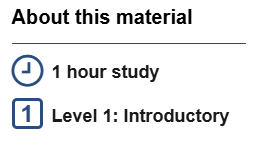
Please note: The 'About this material' information indicated in the image below is included on this site as it is a requirement of OpenLearn Create however, the study time and level of study indicated are not indicative of the actual content. It may be that you spend less or more time reflecting on the contents of the compendium. The information submitted draws on a variety of sources of information that may relate to different levels of study.
We hope this collection sparks ideas, fosters collaboration, and supports the continued integration of sustainability across learning and teaching at the Open University and beyond.