Is My Day Like This?
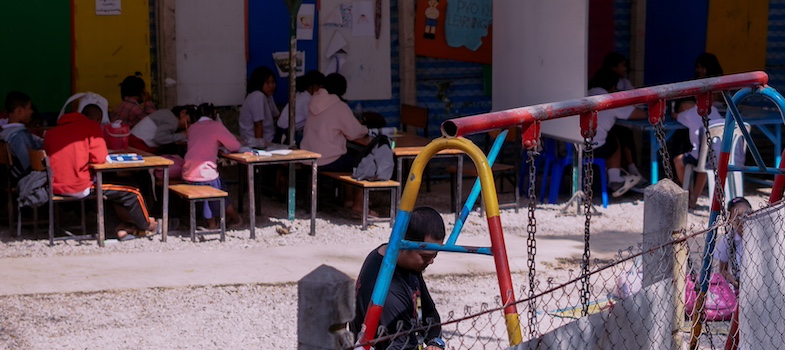
Yes, I can relate to many of the experiences described in these stories. As someone who has also been involved in teaching within a migrant community, I understand many of the daily challenges these teachers face. Similar to them, our schools often have limited resources, crowded classrooms, and students who come from difficult backgrounds. Many learners face economic hardship, family responsibilities, or emotional stress from displacement, which can affect their concentration and motivation in class. Teachers in our context also carry many responsibilities beyond teaching, such as supporting students’ well-being, organizing activities, and helping solve problems within the school community.
From my experience teaching students, especially while volunteering and teaching piano and English, I have learned that patience and understanding are very important. Students in migrant settings often need encouragement and emotional support as much as academic instruction. One approach that has helped me is building a strong relationship with students so they feel comfortable asking questions and expressing their difficulties. I also try to be flexible and creative with the resources available, using simple materials, discussions, and interactive activities to keep students engaged even when teaching tools are limited.
Another important lesson I have learned is the value of collaboration with other teachers. Sharing ideas, lesson approaches, and experiences with colleagues helps us overcome challenges together. In difficult environments, the strength of a teaching community can make a big difference. Even though the conditions may not always be ideal, teachers who support each other and stay committed to their students can still create meaningful learning experiences. These stories remind me that despite the hardships, the dedication of teachers continues to shape the future of many young people in migrant and crisis-affected communities.