Sharing My Experience
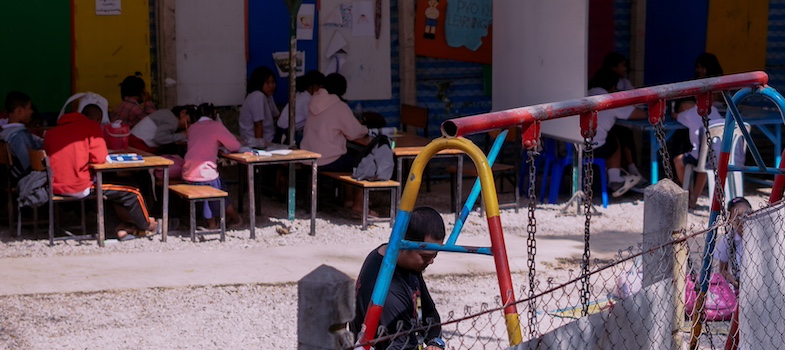
From my experience as an online volunteer teacher in a refugee learning community and to political unrest areas in Myanmar, I can clearly see how different systems in Urie Bronfenbrenner’s Ecological Systems Theory influence a student’s learning.
One situation that stands out happened when I was teaching English to a younger student online. At the microsystem level, my role as a teacher was to create a safe and encouraging learning space. The student was often shy and hesitant to speak English, so I focused on building trust through supportive feedback and simple conversations. Over time, this relationship helped the student gain confidence.
However, I soon realised that the challenges went beyond the classroom. At the mesosystem level, the student’s home environment and access to learning resources were affecting their progress. Sometimes the internet connection was unstable or the student had limited time to study because of family responsibilities. Understanding this interaction between home and learning helped me adjust my teaching approach by simplifying materials and being more flexible with the lesson pace.
This also connects to the techno subsystem, because technology shaped the entire learning experience. Since the student relied on online learning, digital tools became essential. Even simple tools like video calls, shared documents, and online exercises allowed learning to continue despite physical distance and limited resources.
This experience helped me realise that learning is never shaped only by what happens inside the classroom. A student’s progress is influenced by many interconnected systems such as family conditions, technology access, and broader social circumstances.
However, I also have some questions about the limits of Bronfenbrenner’s theory. For example:
(1) If the macrosystem (such as political conflict or structural inequality) strongly restricts/limits educational opportunities, how much influence can individual teachers realistically have within the smaller systems like the micro or meso levels?
(2) In prolonged conflict or displacement, where systems are unstable or constantly changing, can the ecological model still clearly explain the relationships between systems?
These questions make me appreciate the usefulness of the ecological systems theory, but they also remind me that real educational contexts, especially in conflict-affected areas, are often more complex than any single theoretical model can fully explain.