Supporting Your Learners
I think the lesson plan is meaningful because it encourages students to think about their dreams and express them. Activities like discussion, reflection, and writing messages to people in power can help learners feel that their voices matter. At the microsystem level, it can strengthen the relationship between teachers and students, because the teacher is not only teaching academic content but also listening to students’ hopes and concerns.
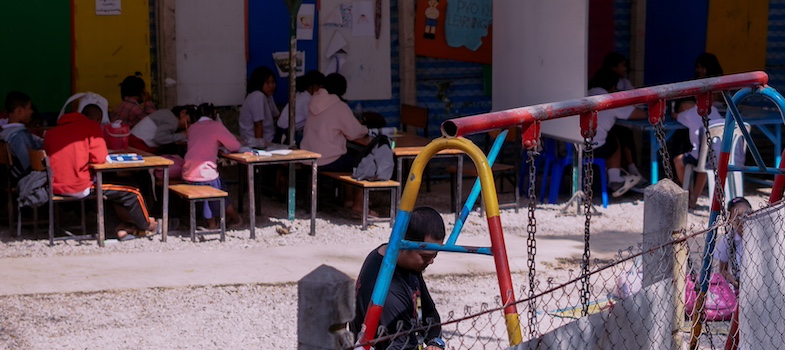
However, in refugee contexts like the one I am familiar with, the idea of “dreams” can be complicated. Many refugee students grow up without legal identity, citizenship, or certainity. In many ways, they are not fully recognised by any country. Because of this, their dreams are often limited by reality. Some students may want to become doctors, engineers, or leaders, but they know that their legal status might prevent them from accessing higher education or stable careers. So sometimes dreams feel more like distant hopes rather than achievable plans.
For this reason, I could use this activity in my classroom, but I would adapt it slightly. Instead of only asking students about their dreams, I would guide them to think about both their dreams and the steps they can realistically take now such as continuing education, developing skills, or helping their communities. I would also create a safe discussion space so students can talk honestly about their challenges without feeling discouraged.
As a follow-up activity, students could write messages about what kind of education and opportunities they need to achieve their goals. These messages could be shared within the school community, displayed in the classroom, or shared with local education organisations that support refugee students.
For me, the most important part of this lesson is not only asking students about their dreams, but also acknowledging them the reality they live in. When teachers recognise these realities while still encouraging hope, education can become a small but meaningful step toward change.