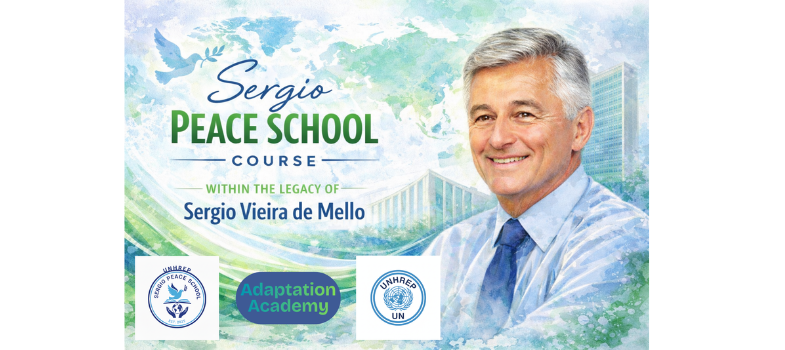
Module 1: Understanding Peace and Human Rights in a Changing World
In this module, students will explore the foundational concepts of peace, human rights, and the ethical responsibilities of global citizens. By examining historical and contemporary examples, participants will learn how human rights advocacy, diplomacy, and climate resilience intersect to create sustainable peace. This module emphasizes critical thinking, reflection, and active engagement with real-world case studies.
1. Defining Peace in a Global Context
Peace is commonly understood as the absence of conflict, yet scholars emphasize a more holistic approach that includes social justice, equity, and human dignity (Galtung, 1969). Johan Galtung’s concept of positive peace highlights the importance of creating social structures that prevent conflict by addressing root causes such as inequality, oppression, and environmental degradation (Galtung, 1996). In this context, peace is both a goal and a continuous process requiring ethical action, dialogue, and cooperation across national and cultural boundaries.
Contemporary peacebuilding initiatives often integrate development, governance, and human rights approaches to address the structural drivers of conflict. For example, post-conflict reconstruction in East Timor combined international peacekeeping, legal reforms, and community-based reconciliation programs, illustrating how multidimensional approaches contribute to long-term stability (Kingsbury, 2009).
2. Human Rights as the Foundation of Peace
Human rights provide the normative framework for safeguarding human dignity and promoting social justice. The Universal Declaration of Human Rights (UDHR, 1948) articulates the fundamental rights to life, liberty, and equality, serving as a guiding framework for international peace efforts. Human rights violations, including discrimination, displacement, or restricted access to essential services, often contribute to conflict escalation (Forsythe, 2012).
Effective peacebuilding requires protecting these rights while simultaneously addressing broader social, economic, and environmental conditions. For instance, gender-based violence and exclusion from education are both human rights issues and potential sources of instability in fragile states (UN Women, 2015). Recognizing the intersectionality of human rights allows peacebuilders to create interventions that address both immediate protection needs and long-term structural inequalities.
3. Ethical Diplomacy and Global Responsibility
Ethical diplomacy is central to promoting peace in international relations. Inspired by the work of Sérgio Vieira de Mello, ethical diplomacy prioritizes human dignity, impartiality, and respect for cultural diversity in negotiations and conflict resolution (Chopra & Hohe, 2004). Diplomats and international organizations operate within complex political and ethical landscapes, balancing national interests with humanitarian imperatives.
Students will examine case studies demonstrating how diplomacy can prevent escalation and foster reconciliation. For example, the UN-led mediation in Kosovo successfully integrated human rights monitoring, security arrangements, and local governance initiatives, illustrating the practical application of ethical principles in peacebuilding (Diehl, 2008).
4. The Interconnection of Human Rights, Climate Resilience, and Peacebuilding
Climate change is increasingly recognized as a driver of instability, exacerbating social, economic, and political tensions. Resource scarcity, extreme weather events, and displacement affect vulnerable communities and may intensify existing conflicts (IPCC, 2022). Climate adaptation strategies, when integrated with human rights and peacebuilding efforts, can mitigate these risks and enhance community resilience.
For example, in Bangladesh, programs addressing flood risk combined infrastructure development with community education and human rights advocacy. These integrated interventions not only reduced the vulnerability of local populations but also fostered cooperation among community members, demonstrating the link between environmental resilience and sustainable peace (Rahman, 2016).
5. Case Studies for Critical Reflection
Students will engage with the following case studies to analyze the intersection of peace, human rights, and climate resilience:
-
East Timor Peacebuilding: Examining the UN’s role in state formation, reconciliation, and human rights protection (Kingsbury, 2009).
-
Syrian Humanitarian Crisis: Evaluating international response strategies, human rights violations, and conflict mitigation efforts (Bellamy, 2015).
-
Climate and Conflict in Sub-Saharan Africa: Understanding how drought and resource scarcity contribute to instability and the role of adaptation programs in peacebuilding (Nordås & Gleditsch, 2007).
For each case study, students will reflect on:
-
The root causes of conflict or instability
-
Strategies for integrating human rights protection and climate resilience
-
Lessons applicable to future global peace initiatives
6. Reflection and Personal Engagement
A key component of this module is reflection. Students are encouraged to consider their role in promoting peace and human rights within their communities and globally. Reflection prompts include:
-
“How do peace, human rights, and environmental stewardship intersect in my local context?”
-
“What skills, values, and ethical commitments will I bring to global peacebuilding initiatives?”
-
“How can I apply the lessons of historical and contemporary case studies to future challenges?”
Reflection exercises may include journaling, discussion forums, or collaborative projects that encourage critical thinking and ethical reasoning.
7. Navigating the Course and Collaborative Learning
To maximize learning outcomes, students should engage actively with all course resources, including multimedia content, readings, and discussion forums. Collaborative learning enhances understanding of complex topics and encourages diverse perspectives, which are essential in peacebuilding. Students will also use platform tools for case study submissions, peer reviews, and interactive exercises.
Conclusion
Module 1 introduces students to the fundamental concepts of peace, human rights, and ethical diplomacy. By examining theoretical frameworks, historical and contemporary examples, and real-world case studies, students will develop a comprehensive understanding of the interconnected challenges shaping global peace. This foundation prepares participants to engage thoughtfully, critically, and ethically in subsequent modules focused on climate resilience, conflict resolution, and sustainable peacebuilding.
Inspirational Quote:
"We cannot achieve peace without protecting human dignity and ensuring justice for all." — Inspired by Sérgio Vieira de Mello
References
Bellamy, A. J. (2015). The Responsibility to Protect: A Defense. Oxford University Press.
Chopra, J., & Hohe, T. (2004). Participatory peacebuilding: A case study of East Timor. Journal of Peacebuilding & Development, 1(1), 53–68.
Diehl, P. F. (2008). International peacekeeping. Polity Press.
Forsythe, D. P. (2012). Human rights in international relations (3rd ed.). Cambridge University Press.
Galtung, J. (1969). Violence, peace, and peace research. Journal of Peace Research, 6(3), 167–191.
Galtung, J. (1996). Peace by peaceful means: Peace and conflict, development and civilization. Sage Publications.
IPCC. (2022). Climate change 2022: Impacts, adaptation, and vulnerability. Intergovernmental Panel on Climate Change.
Kingsbury, D. (2009). East Timor: The international community and state-building. Cambridge University Press.
Nordås, R., & Gleditsch, N. P. (2007). Climate change and conflict. Political Geography, 26(6), 627–638.
Rahman, M. M. (2016). Climate adaptation and community resilience in Bangladesh. Journal of Environmental Management, 182, 45–53.
UN Women. (2015). Progress of the world’s women 2015–2016: Transforming economies, realizing rights. United Nations.
UDHR. (1948). Universal Declaration of Human Rights. United Nations.