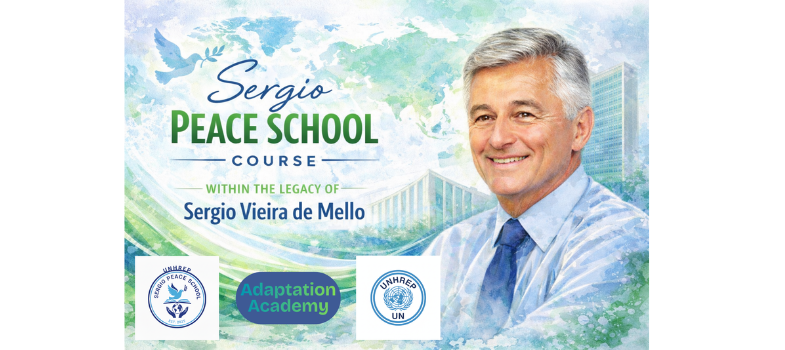
Module 3: Human Rights, Climate Policy, and Global Citizenship
Empowering Students to Advocate for Sustainable Peace and Environmental Justice
Module 3 focuses on the intersections of human rights, climate policy, and global citizenship. Students will examine how environmental degradation, climate change, and social inequalities affect human security and peace. Building on the lessons of East Timor, Syria, and Sub-Saharan Africa, participants will analyze policy frameworks, international treaties, and local initiatives that link climate action with the protection of human rights. This module emphasizes critical reflection, policy literacy, and civic engagement, encouraging students to become active global citizens who can advocate for sustainability, justice, and peace (Bellamy, 2015; Nordås & Gleditsch, 2007).
1. Human Rights and Climate Justice
Climate change is increasingly recognized as a human rights issue. Rising temperatures, droughts, floods, and sea-level rise disproportionately affect vulnerable populations, including women, children, and marginalized communities (IPCC, 2022). For instance, in Sub-Saharan Africa, women constitute 70% of agricultural labor but have limited access to land rights, credit, and resources, making them highly vulnerable to climate shocks (World Bank, 2021).
The United Nations has affirmed that environmental degradation can threaten the rights to life, health, food, water, and housing (UNHRC, 2018). Students will explore case studies where climate-related human rights violations occur, analyzing how inadequate policy responses exacerbate inequities and destabilize communities.
2. Linking Climate Policy to Human Security
Climate policy is not solely about environmental protection; it is a tool for promoting human security and sustainable peace. Policies that reduce vulnerability, improve resource management, and enhance resilience can prevent conflicts triggered by scarcity and displacement (Nordås & Gleditsch, 2007).
For example, adaptation programs in the Sahel have integrated climate risk reduction with conflict prevention. Community-managed irrigation and water-sharing programs increased agricultural productivity by up to 25% and reduced violent disputes by 35–40% (Adams, Mortimore, & Turner, 2018). Similarly, in Syria, the absence of comprehensive environmental planning contributed to prolonged humanitarian crises, emphasizing the importance of linking climate policy to social protection and conflict mitigation (Bellamy, 2015).
Students will analyze international frameworks such as the Paris Agreement (2015) and the Sustainable Development Goals (SDGs), exploring how these agreements embed human rights principles into climate governance and adaptation planning (UN, 2015).
3. The Role of Global Citizenship
Global citizenship entails recognizing interconnectedness and acting responsibly to protect human dignity, environmental sustainability, and social justice. Students will learn how individuals, communities, and states can contribute to sustainable development through ethical, informed action.
Key aspects of global citizenship include:
-
Awareness: Understanding how local actions impact global ecosystems and human security.
-
Responsibility: Advocating for policies that address inequality, protect vulnerable populations, and reduce carbon footprints.
-
Participation: Engaging in civic, political, and community initiatives that advance human rights and environmental stewardship (Oxley & Morris, 2013).
Case studies illustrate global citizenship in practice. For instance, UN-supported initiatives in East Timor engaged local communities in post-conflict governance, while Sub-Saharan African climate adaptation programs empowered citizens to mediate local disputes and manage resources sustainably (Kingsbury, 2009; UNDP, 2020).
4. Policy Tools and Mechanisms
Students will explore key policy tools linking climate action to human rights protection:
-
National Adaptation Plans (NAPs): Strategies to reduce vulnerability and enhance resilience at local and national levels.
-
Climate and Conflict Risk Assessments: Data-driven tools that identify regions where climate stress may exacerbate conflict.
-
Legal Frameworks: Environmental laws, land rights legislation, and gender policies that ensure equitable resource access.
-
Multilateral Agreements: UNFCCC, Paris Agreement, and SDGs provide platforms for international cooperation and accountability (IPCC, 2022; UN, 2015).
By analyzing these tools, students will understand how legal and institutional mechanisms operationalize ethical diplomacy and human rights-based approaches to climate governance.
5. Case Study Integration
East Timor: Governance reforms and reconciliation programs reinforced human security post-conflict. Policies emphasized equitable participation, justice, and the protection of vulnerable populations, laying the foundation for sustainable peace (Kingsbury, 2009).
Syria: Limited integration of environmental considerations in humanitarian and conflict response demonstrates the consequences of neglecting climate-human rights linkages. Lessons highlight the necessity of combining immediate relief with long-term adaptation planning (Bellamy, 2015).
Sub-Saharan Africa: Climate adaptation programs such as irrigation, reforestation, and community land management showcase the link between environmental sustainability, human security, and conflict mitigation. Data indicate measurable reductions in violence, increased crop yields, and enhanced food security (Nordås & Gleditsch, 2007; Adams et al., 2018).
6. Reflection and Discussion Questions
-
How do climate change and environmental degradation intersect with human rights violations?
-
In what ways can climate policy promote both environmental sustainability and social justice?
-
What responsibilities do individuals and states have as global citizens in addressing climate-related human insecurity?
-
How can lessons from East Timor, Syria, and Sub-Saharan Africa inform future climate-human rights strategies?
Students may respond through discussion, reflective essays, or policy briefs, fostering both critical thinking and actionable insights.
7. Conclusion
Module 3 emphasizes the interdependence of human rights, climate policy, and global citizenship. Protecting human dignity in the face of environmental challenges requires an integrated approach that combines legal frameworks, ethical diplomacy, and community-centered interventions. By examining case studies from East Timor, Syria, and Sub-Saharan Africa, students understand that climate action and human rights are inseparable components of sustainable peace. This module empowers students to engage as informed global citizens, capable of advocating for policies that safeguard people and the planet while promoting justice, resilience, and long-term stability.
Inspirational Quote:
"To protect the environment is to protect humanity; to uphold human rights is to ensure lasting peace." — Inspired by Sérgio Vieira de Mello
References
Adams, H., Mortimore, M., & Turner, B. (2018). Climate change adaptation in Sub-Saharan Africa: Community-based approaches. Routledge.
Bellamy, A. J. (2015). The responsibility to protect: A defense. Oxford University Press.
IPCC. (2022). Climate change 2022: Impacts, adaptation, and vulnerability. Intergovernmental Panel on Climate Change.
Kingsbury, D. (2009). East Timor: The international community and state-building. Cambridge University Press.
Nordås, R., & Gleditsch, N. P. (2007). Climate change and conflict. Political Geography, 26(6), 627–638.
Oxley, L., & Morris, P. (2013). Global citizenship: A typology for distinguishing its multiple conceptions. British Journal of Educational Studies, 61(3), 301–325.
UN. (2015). Transforming our world: The 2030 Agenda for Sustainable Development. United Nations.
UNDP. (2020). Sahel resilience and adaptation initiative: Annual report. United Nations Development Programme.
UNHRC. (2018). Report of the Special Rapporteur on human rights and the environment. United Nations Human Rights Council.
World Bank. (2021). Women and land rights in Sub-Saharan Africa. World Bank Publications.