
Find out more about The Open University's Arts and Humanities courses and qualifications.
1. What first got you interested in history?
 I’m not sure there was a single turning point or experience that got me interested in history. I enjoyed history at school, but what really kept me interested in the subject was the process of researching and writing – I seem to enjoy working through evidence and trying to understand why events unfolded as they did.
2. What is your specialist area and how did you end up focusing on this?
After school, I did a fine art portfolio preparation course and began a degree in visual communication before switching to an arts degree. That background meant that I knew a bit about, and had some practical experience of, fine art printmaking techniques.
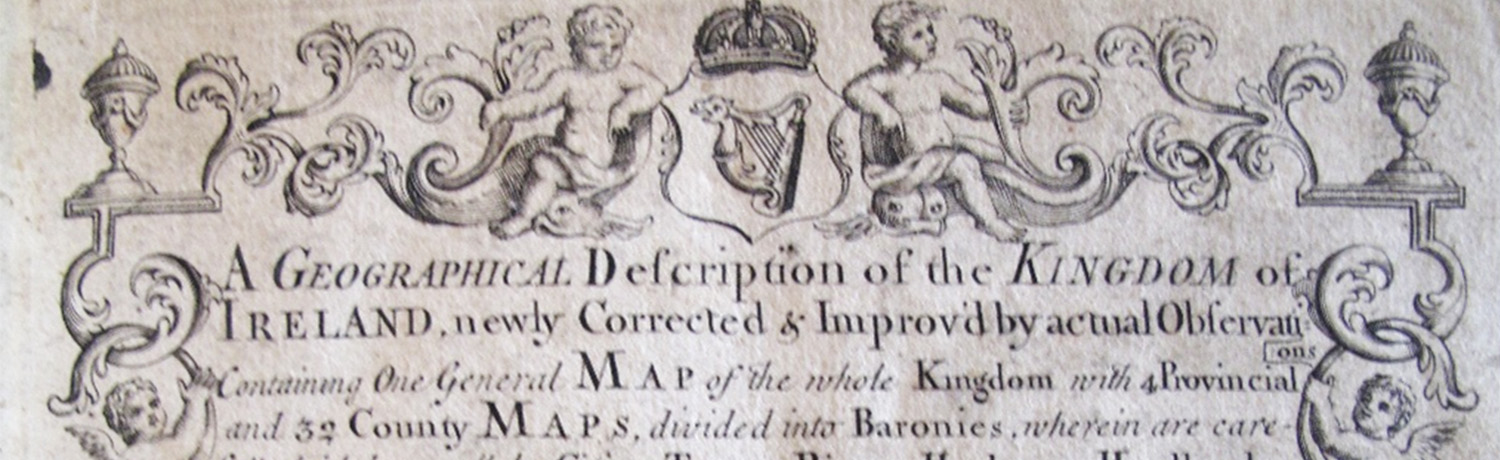
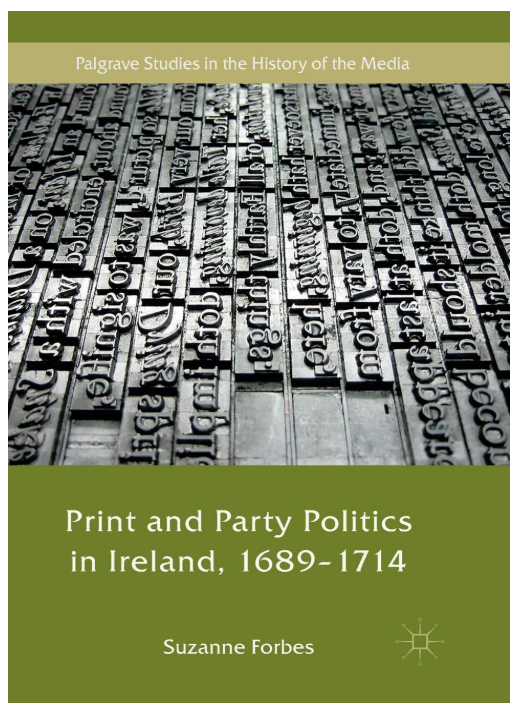
When I encountered early modern history as an undergraduate, I was particularly drawn to the history of printing and the press. I was interested not only in print as a technology, but in what it enabled in terms of the circulation of ideas and information. My PhD project focused on print in Ireland in the late seventeenth and early eighteenth centuries, and my book Print and Party Politics in Ireland, 1689-1714 was based on that work.
3. What is it about your specialist area that fascinates you?
I was particularly drawn to printed material that conveyed political ideas – newspapers, pamphlets, electoral literature – and then more broadly to any activity through which political ideas were expressed or contested, whether that was a procession, a protest, or an election. I find it fascinating how political debate from so long ago has so many parallels with the present.
4. What is your research project about?
My main research project at the moment focuses on elections in eighteenth-century Ireland, particularly ‘controverted’ elections. These are cases where the declared election result was formally challenged by petition to the Irish House of Commons. These petitions were usually put forward by the losing candidates.
5. Why did you decide to pursue this project?
I originally set out to work on printed election literature in eighteenth-century Ireland (and I still intend to!). But I quickly realised there were significant gaps in our understanding of how the Irish representative system functioned. Rather than work around those gaps, I decided to address some of them directly.
6. What is the project’s argument?
 Although individual petitions or reports have been cited, material in the Journals of the Irish House of Commons relating to controverted elections has not previously been treated as a coherent body of evidence. Considered collectively, it offers important insight into how elections actually operated across the eighteenth century.
7. What is its significance to your specialist area, the broader field of history, and our understanding of human experience?
I have prepared transcripts of all controverted election petitions from eighteenth-century Ireland and rendered them searchable by election year and constituency. This creates, for the first time, a structured foundation for analysing patterns of dispute across the century. It opens up new possibilities for studying electoral practice in Ireland during the period.
8. What were the most enjoyable, and difficult, parts of the project?
I initially assumed this would be a relatively short and straightforward project, but it proved far more complex and time-consuming than I expected.
9. Tell us about the sources that you used, and the challenges that came about using them.
Controverted election petitions vary considerably: some are brief and formulaic, while others are lengthy, detailed and occasionally quite vivid. They were prepared for a specific purpose – to overturn an election result – and are therefore inherently partial. They can be fascinating to read and offer valuable insight into electoral practice, but precisely because they have a purpose, they must be handled carefully as historical evidence.
10. What advice would you give to those who want to study history, whether as part of a degree at university, or beyond a university context?
Many people seem to think of history in terms of outputs such as documentaries, books, articles and so on. But my advice would be to think of history as a set of skills and methods. It is something you learn to do, rather than something you simply absorb. Approaching it in that way can make it easier to engage with the subject at university level, when you are asked to begin producing history rather than just consuming it.
11. What are you planning to work on next?
One day I will get around to looking at election literature in eighteenth-century Ireland! For now, I continue to be distracted by other things, including interesting election cases and the historic army barracks network in Ireland.
Read more from our Opening up history series
-
Opening up history: anti-nuclear activism during the Cold War
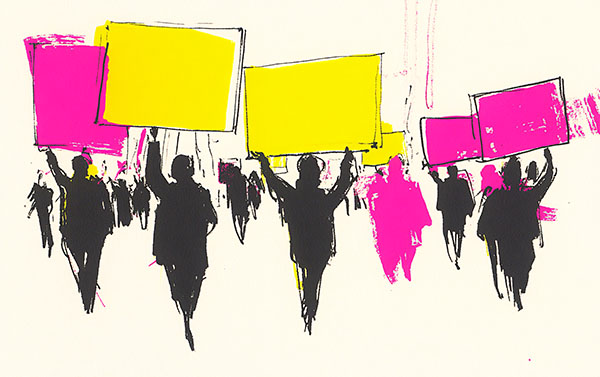
Read now to access more details of Opening up history: anti-nuclear activism during the Cold WarDr Luc-André Brunet is a senior lecturer in Contemporary International History at The Open University. As part of our Opening up history series, we speak to him about his current project on anti-nuclear activism.
-
Opening up history: art in the Reformation
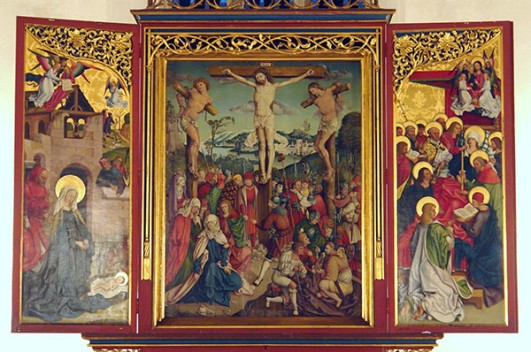
Read now to access more details of Opening up history: art in the ReformationIn this Opening up history conversation we speak to Dr Roisin Watson about her research on how Protestants used images and objects to express their faith in the Reformation.
-
Opening up history: eighteenth century ideas of national independence
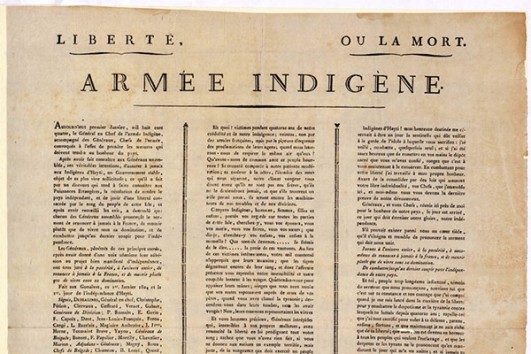
Read now to access more details of Opening up history: eighteenth century ideas of national independenceAs part of our Opening up history series, we speak to Dr Anna Plassart, senior lecturer in History about her current research.
-
Opening up history: religion and politics in the Elizabethan era
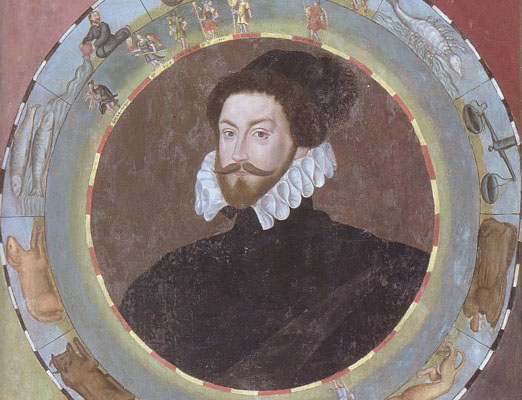
Read now to access more details of Opening up history: religion and politics in the Elizabethan eraHistorian Dr Neil Younger recounts his fascination with the Elizabethan era and the political dynamics of this period, which has led him to his current research project.
-
Opening up history: teaching transatlantic slavery in British schools
Read now to access more details of Opening up history: teaching transatlantic slavery in British schoolsIn this Opening up history conversation we speak to Dr Katie Donington, senior lecturer in Black, African and Caribbean History at The Open University, about her most recent project focusing on the teaching of slavery in British schools.

-
Opening up history: the intersections of tobacco consumption and modern war
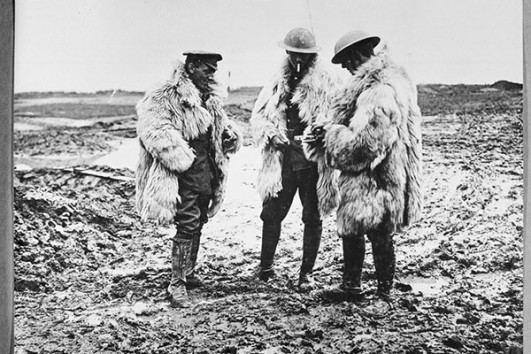
Read now to access more details of Opening up history: the intersections of tobacco consumption and modern warDr Michael Reeve is a lecturer in Modern British History at The Open University. We speak to him here about his current research on smoking in wartime Britain, as part of our Opening up history series.
Like this? Try a FREE course
-
National identity in Britain and Ireland, 1780–1840
Learn more to access more details of National identity in Britain and Ireland, 1780–1840What is a ‘nation’? What is a ‘state’? Where have these ideas come from and how have they developed over time? This free course, National identity in Britain and Ireland, 1780-1840, explores how the United Kingdom of Britain and Ireland was formed. It then moves to analyse the distinctions between the terms ‘nation’ and ‘state’. Finally, it ...

-
What do historians do?
Learn more to access more details of What do historians do?What do historians do? In this free course you will explore some of the ways that historians work to develop our understanding of the past. You will learn about three aspects of the historian’s craft through three topic areas: landscapes, infant health and criminal justice. Through the activities in the course, you will experience a wide range ...

-
Religious diversity: rethinking religion
Learn more to access more details of Religious diversity: rethinking religionReligion is not necessarily what you think it is! This free course, Religious diversity: rethinking religion, introduces you to a selection of the vast variety of religious beliefs and practices in Britain today. Having some familiarity with religion and belief is increasingly required to make sense of issues of local, national and international...

Rate and Review
Rate this article
Review this article
Log into OpenLearn to leave reviews and join in the conversation.
Article reviews