Competencies in the curriculum - Words of Wisdom
Threading Educating for Sustainable Development through thinking about educating the next generation.
The MA level 1 module EE830 – Learning and teaching – educating the next generation problematises education, asking how can today’s learners be prepared for an increasingly uncertain world? Education for sustainable development (ESD) was a natural part of the module, seeing ESD as the responsibility of everyone who works to facilitate learning, not just Geography and Science teachers. We introduced ESD ideas of care and compassion for all actors in the world, human and non-human, through videoed interviews with authors including Paul Warwick, allowing students to visualise the people advocating radical change. We asked the students to consider Warwick’s butterfly model, setting out six necessary dimensions in Education for Sustainability, and within module activities to apply these dimensions to their own contexts and professional practice. Other activities which ask for reflection and for plans for action and sustainable change are positioned throughout the module, as the students consider how to educate the next generation to act sustainably. ESD is seen as part of learning not a one-off event. Beyond the module, student engagement with the ideas included a social media campaign capturing students' changes in practice, and a student-staff research project exploring these changes, leading to a joint publication.
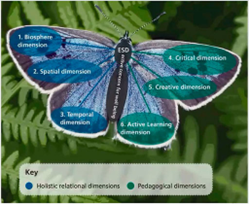
Figure 1: Visualisation of Warwick's butterfly model.
Author: Clare Lee, Open University, Senior Lecturer Education, WELS school of ECYS.