Reflecting on Classroom Organization and Differentiated Instruction in Moroccan Classrooms
Reflecting on Classroom Organization Practices
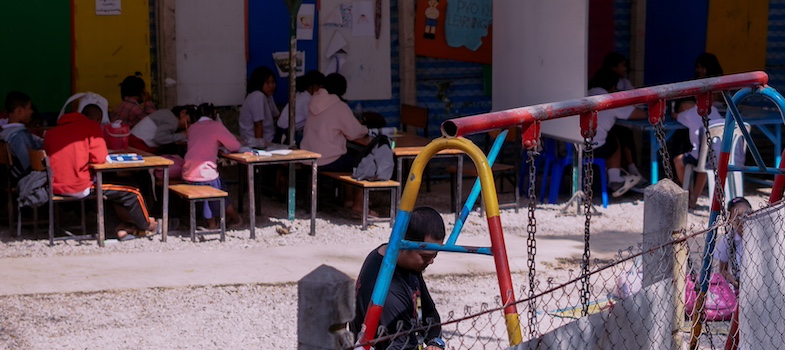
How do you currently organise your classroom environment? Based on the provided texts, effective classroom organization goes beyond just physical arrangement; it encompasses pedagogical approaches and the overall learning atmosphere. In the Moroccan context, traditional classrooms often involve students sitting in rows, which can limit interactive learning and individualized attention . However, there's a push towards more interactive environments, as seen in initiatives like USAID's project at Almajd School, where teachers are trained to foster group collaboration and address diverse learning styles .
From my knowledge, a well-organized classroom environment typically considers:
- Physical Layout: Arrangement of desks (e.g., groups, U-shape, rows) to facilitate different activities.
- Learning Zones: Designated areas for specific tasks like reading, group work, or independent study.
- Resource Accessibility: Easy access to learning materials, technology, and supplies.
- Visual Aids: Use of posters, charts, and displays that support learning objectives and create an engaging atmosphere.
- Technology Integration: Strategic placement and use of technological tools to enhance instruction .
How do you establish boundaries that create a positive and safe environment for learning? Establishing clear boundaries is crucial for effective classroom management, which is a cornerstone of a successful learning experience . In Moroccan public high schools, classroom management is recognized as more complex than just disciplinary problems, requiring engagement from both teachers and students . Key strategies for establishing boundaries include:
- Clear Rules and Expectations: Explicitly stating and consistently enforcing classroom rules. These rules should be co-created or clearly communicated to students to ensure understanding and buy-in .
- Effective Communication: Open and clear communication between teachers and students is vital. This includes active listening, providing constructive feedback, and ensuring students feel heard .
- Consistent Routines and Procedures: Establishing predictable routines for daily activities, transitions, and assignments helps students understand expectations and reduces behavioral issues .
- Positive Reinforcement: Acknowledging and rewarding positive behavior and adherence to rules encourages a supportive environment .
- Fairness and Equity: Ensuring that rules and consequences are applied fairly to all students, recognizing their diverse backgrounds and needs . The concept of equity in teaching was highlighted as a significant challenge by Moroccan EFL teachers, indicating its importance in creating a just learning environment .
- Teacher Presence and Monitoring: Actively circulating the classroom, observing student interactions, and intervening proactively when necessary .
Have you noticed any positive or negative effects of your classroom organisation on student behaviour and learning? The impact of classroom organization on student behavior and learning is significant. For instance, the shift from traditional lecture-based teaching to more interactive methods in Moroccan schools has shown positive effects. Teachers who adopted interactive techniques saw their students score up to seven points higher on tests . This suggests that an organized environment that supports active learning can directly improve academic outcomes.
Conversely, a lack of clear organization or an environment that doesn't cater to diverse needs can have negative effects:
- Disengagement: Students may become bored or disengaged if the instruction is not varied or tailored to their learning profiles .
- Behavioral Issues: Poor classroom management, often stemming from unclear boundaries or inconsistent enforcement, can lead to increased disruptions and a less conducive learning atmosphere .
- Limited Participation: In large classes, quiet students can get overlooked, and a lack of interactive strategies can hinder their participation .
- Ineffective Differentiation: If teachers struggle to implement differentiated instruction (DI) due to a lack of understanding or resources, it can lead to "micro-differentiation" that doesn't adequately address significant learning challenges for diverse students . This can result in some students being overwhelmed and others bored .
Have you read any suggestions from others on the course that could help you improve your own teaching practice? While I haven't "read" suggestions from other course participants, the documents offer several valuable suggestions for improving teaching practices in the Moroccan context, particularly concerning Differentiated Instruction (DI) and classroom management:
- Incorporating DI Components in Training: Pre-service and in-service training programs should include comprehensive DI components to equip teachers with necessary pedagogical tools . This addresses the finding that many Moroccan EFL teachers implement randomized forms of differentiation without a clear understanding of DI .
- Addressing Ambiguities Around DI: There's a need for a common, unified definition of DI within teaching guidelines and continuous training programs to overcome misconceptions and vague interpretations among teachers .
- Diversifying Materials and Activities: Teachers should diversify materials and adjust timing to accommodate a vast majority of students, offering choices and varying tasks based on student abilities . This moves beyond "teaching to the middle" and caters to both high and low achievers .
- Promoting Peer Collaboration: Mixing learners of different proficiency levels to foster peer collaboration and peer teaching is an effective strategy .
- Improving Communication and Planning: Enhancing communicative skills and planning among teachers is crucial for effective classroom management .
- Renovating Curricula: The current curriculum in Morocco is often seen as outdated and incompatible with many DI practices, suggesting a need for reform to support modern pedagogical approaches .
- Leveraging Technology: While challenges exist, technology, especially videoconferencing, has shown potential for pedagogical continuity and can enhance student engagement and interaction if properly integrated and supported . Teachers need training in technological tools and digital resources .
- Fostering a Growth Mindset: Overcoming resistance to change and encouraging educators to view challenges as opportunities for growth is essential for adopting innovative instructional methods .
One Idea for Classroom, one idea that would work in your classroom and that someone else might be able to use is implementing "Choice Boards" or "Learning Menus" for differentiated tasks. This strategy directly addresses the need to diversify materials and activities, cater to varying abilities, and give students choices, as highlighted by Moroccan EFL teachers .
How it works:
- Identify Learning Objectives: For a given lesson or unit, clearly define the learning objectives.
- Design Varied Activities: Create a "menu" or "board" of activities that all lead to the same learning objectives but vary in complexity, learning style, or product. For example:
- Appetizer (Mandatory for all): A foundational task (e.g., read a short text and answer comprehension questions).
- Main Course (Choose 2-3): More in-depth tasks with varying levels of challenge (e.g., write a paragraph summarizing the text, create a visual representation, research a related topic, participate in a debate).
- Dessert (Optional for early finishers/high achievers): Extension activities (e.g., create a presentation, write a creative story inspired by the topic, teach a concept to a peer).
- Provide Clear Instructions and Rubrics: Ensure students understand what is expected for each task and how they will be assessed.
- Allow Student Choice: Students choose a certain number of activities from the "menu" based on their interests and readiness, fostering autonomy and engagement .
- Facilitate and Coach: As students work on their chosen tasks, you, as the teacher, can circulate, provide individualized support, and coach students, much like the math teacher Saloua Ben Fethalla who became a "coach" rather than a lecturer .
This approach allows you to balance simplicity and complexity in instruction, address diverse learning profiles, and provide challenging tasks for high achievers while offering support for those who need it, without overwhelming any group . It also encourages student autonomy and engagement, which are crucial for effective learning.