Sharing my view
1. In what ways is education a victim, perpetrator, liberator and/or peacebuilder in your context?
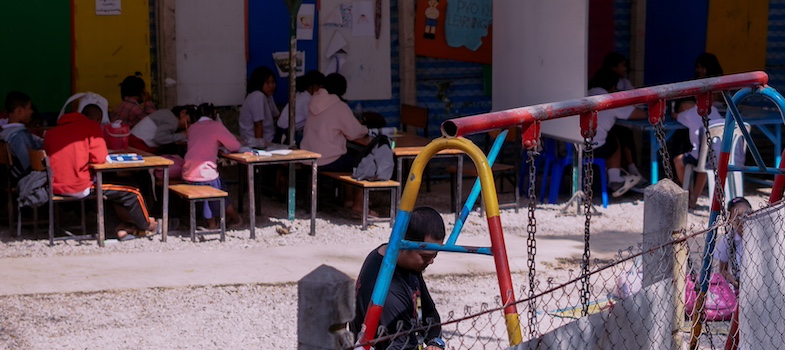
Just like the one I have read in 2.2 I believe. When I was studying inside the refugee camp, it is more like a perpetrator type of education as there a lot of karen students in the school and also teachers are mostly karen. So when I first go there to study, they kind of refer Burmese ethnic group as their mortal enemy and the teachers always talked about how karen people are getting bullied by myanmar arm group in a negative way. This create unfair feelings among the students and some karen students, they attacked burmese students out of nowhere from the hatred that they got from the teachers. However, since I came to MHEP, it is more like a mixture of liberator and peacebuilder education. The school let us think ciritcally while maintain us under the peace to make sure we don't choose violence or hatred toward other ethnic people.
2. Why are schools often the target of attacks?
I am not sure but in Myanmar, it is solely because the myanmar military worry that they might lose their power over the people. More educated person will create more opportunites for the country but it will also bring along the cirticism and think more critically which might cause hindrance to the military.
3. What can teachers do to make education an opportunity for critical thinking and empowerment?
Well, for this, try to create a learning environment to be a place where the learner can grow without any boundaries I believe. Like, maybe the teacher can teach them, but don't tell the learner exactly of what do they have to do. Encourage them to try new things and be supportive even if they make a mistake while learning. Moreover, there should be a displine that the students have to follow so their code of conduct be something that is good to their core and make them realize how important is an education to the learners. Help them develop the mindset of curiosity to further and just don't give answer to everyone of their questions, but instead, maybe we can let them the answer to their own questions and have a discussion with the learners or let them have the discussion by themselves.
4. What can teachers do to promote peacebuilding in their classrooms?
This is a hard one. But for sure, you have to teach the learner first to be respectful to other learners thoughts and ideas. In this way, their feelings and their ideas, they can freely share inside the classroom without have to worry to be mocked or insult. Second, maybe encourage them to become active at listening, without judging of course, and that mistakes are okay to make inside the classroom. If they have an argument, instead of giving them punishment, let them talk back to each other points of view, let them listen, share their pov back and then, after that you can help them realize their mistake as an teacher. For sure, the teacher can't be bias and as a teacher, you can have a favorite student inside the classroom and that is unavoidable. But you have to be fair in every decision that you have to make. The teacher cannot build peace inside the classroom but can be someone who initiate peace and help them develop further as days go on. This will probably help the learner personal growth and become more insightful.