discussionidforpromptai:20596

The standard view of this forum does not always work well with
assistive technology. We also provide a simpler view, which still contains all features. Switch to simple view.
Sharing My Views
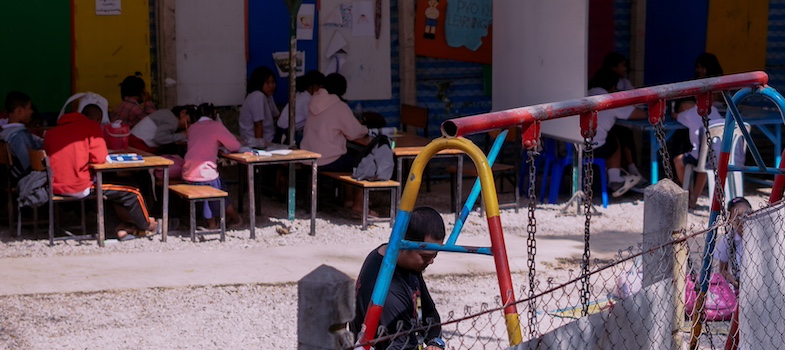
In my context along the Thai–Myanmar border, education can be seen in all four roles described in the VPLP framework.
First, education is often a victim of conflict. Many students and teachers come from communities affected by political instability and displacement. Because of this, schooling can be interrupted by insecurity, migration, or limited resources. Some children have experienced long gaps in their education or have had to move between different learning systems, which makes continuity of learning difficult.
At the same time, education can become a perpetrator of conflict if it excludes certain identities, languages, or different histories. In communities with diverse ethnic backgrounds, if one culture or narrative dominates the curriculum while others are ignored, students may feel that their identity is not recognised or ignored. This can create feelings of marginalisation and deepen social divisions.
However, education also has the potential to act as a liberator. In my experience as both a student and a volunteer teacher, education gives young people the opportunity to understand their situation and imagine a different future. When students are encouraged to ask questions, analyse problems, and learn about social issues, they develop the confidence to participate in society and advocate for positive change.
Finally, education can be a peacebuilder. In classrooms with students from different ethnic and cultural backgrounds, teachers can create spaces where dialogue, respect, and cooperation are practiced daily. By encouraging discussion, collaboration, and mutual understanding, teachers help students learn how to manage differences peacefully. Even small practices such as group work between diverse students, discussions, or activities that highlight shared human values can help build peace.
Schools are sometimes targeted in conflicts because they represent vulnerable identity, and future generations. Controlling education can influence how people think, what they believe, and how societies develop.
Because of this, I believe teachers carry an important responsibility. Teachers can encourage critical thinking by allowing students to question information, analyse different perspectives, and connect lessons to real social issues. At the same time, teachers can promote peacebuilding by modelling respect, fairness, and dialogue in the classroom, helping students see diversity not as a threat but as a strength. In contexts affected by conflict, education is not only about academic knowledge; it is also about helping students build a more peaceful and just future.