Challenging behavior
I hold two perspectives shaped by different experiences.
Firstly, as a student who attended a government school for over eleven years, I rarely encountered teachers who truly understood students’ lives and the emotions shaped by their personal circumstances. Instead of listening with empathy, many of my childhood teachers approached their classrooms as part of a routine, disconnected from the deeper realities of their students’ lives.
Their daily work often resembled that of government employees focused mainly on delivering lessons and meeting curriculum targets. At times, my reflections may sound critical of the educators who supported my early education. Nevertheless, I sincerely appreciate their efforts, as they helped me develop the ability to analyze and think critically about various issues. However, what I continue to hope for is meaningful change in how educators approach teaching—both today and in the future.
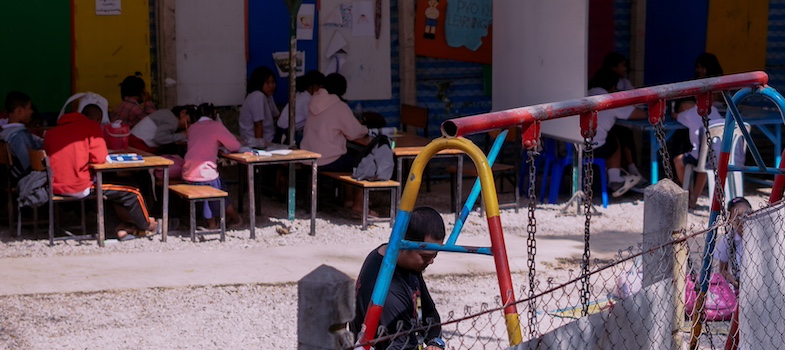
Secondly, my experience as a teacher for one year in refugee contexts has given me a different perspective. I have become deeply aware of the unique challenges faced by students from vulnerable backgrounds. Before beginning regular classes, I often bring together students from different grades and courses. This allows them to connect, learn from one another, and build a sense of community.
When students are absent, I make it a point to visit their homes in the evening. Engaging in conversations with their parents and providing guidance plays a crucial role in supporting their learning and well-being. These efforts, though small, help me better understand my students and create a more meaningful and supportive teaching environment.