
Learning Outcome 1: Access Data (Raw) to be Encoded
Information Sheet 3.1-1:
Identifying and Accessing Source Data
The process of encoding data into systems like T2MIS begins with the precise identification and access of raw data from primary source documents. In the TESDA National Competency Assessment, this raw data is the unprocessed, original information captured directly during the assessment event.
Correctly identifying and accessing this data from the mandated assessment forms is the critical first step that determines the accuracy, reliability, and integrity of the entire digital record. A failure at this source level creates a cascading effect of errors, compromising the validity of certification and system-wide analytics.
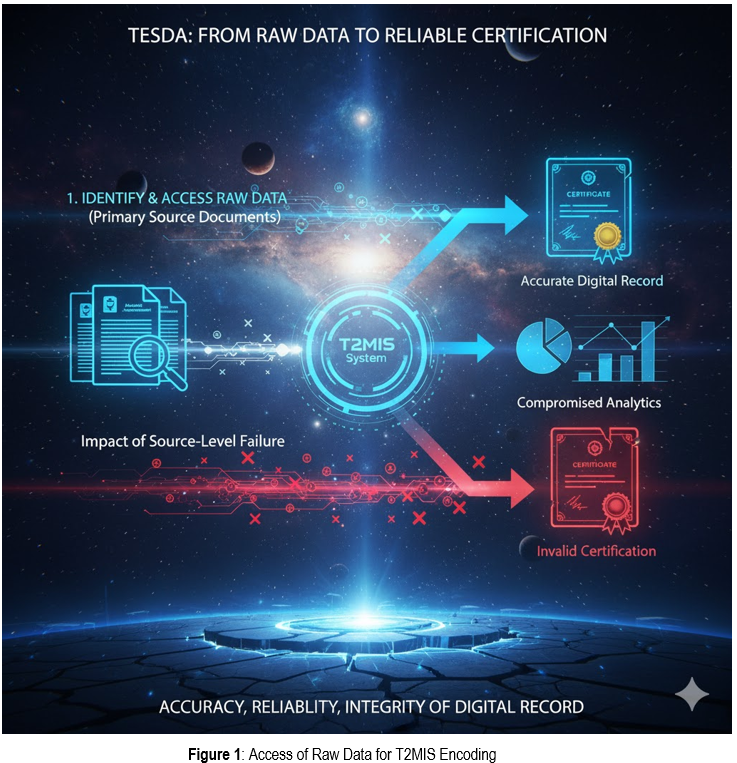
Before you can encode, you must identify and access your source material. This process ensures you are working with the correct information from the start.
Understanding Job Specifications: Every data entry task begins with understanding the job specifications. This informs you of the necessary data to be entered, the applicable industry program to use, and the required format.
Types of Raw Data: Raw data is the original, unprocessed information. It comes in two primary forms:
- Hard Copy: Physical, paper-based documents like a filled-out Application form, Certificate of Training, or Birth Certificate.
- Electronic Copy: Digital files such as spreadsheets, text documents, PDFs, or database files.
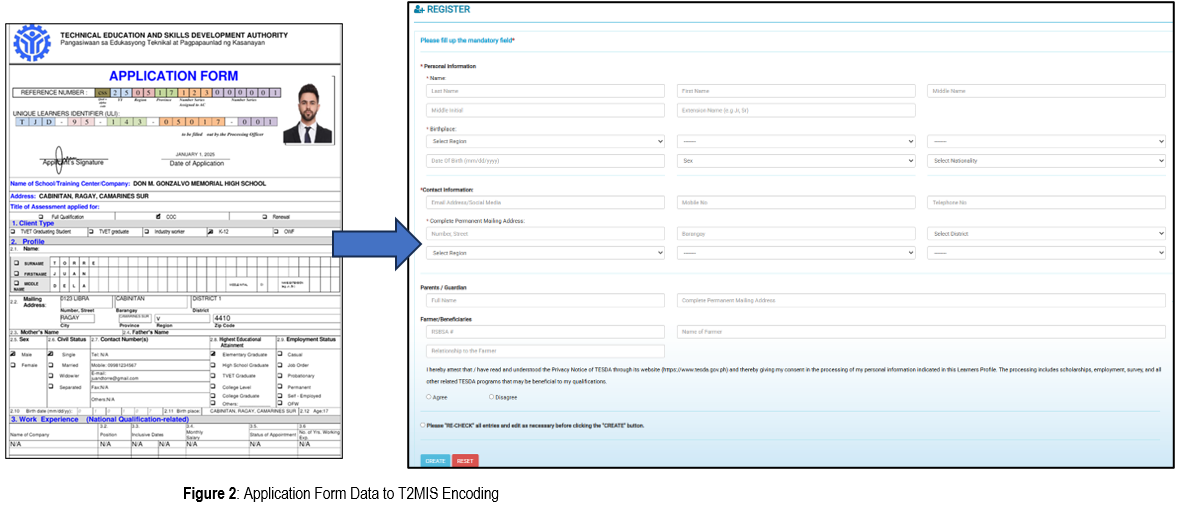
Accessing and Verifying Data: Once you have identified the job specifications, you must locate the raw data and access it using the required program (e.g., opening a PDF, accessing a shared network folder). Before encoding, it is crucial to check and verify that the data you have accessed conforms to the job specifications. This might involve ensuring all necessary pages of a report are present or that a digital file is not corrupted.

The meticulous process of identifying and accessing raw data from applicable TESDA assessment forms is the bedrock of a trustworthy digital assessment system. It is a deliberate, detail-oriented task that requires a deep understanding of the source documents and a disciplined approach to verification.
By treating these physical forms as the inviolable source of truth and accessing their data with precision and care, TESDA assessment centers ensure that the digital ecosystem built upon this foundation is robust, reliable, and worthy of the national certification it supports.