
Learning Outcome 2: Encode/Input Data
Information Sheet 3.2-1:
Accurate and Efficient Data Entry
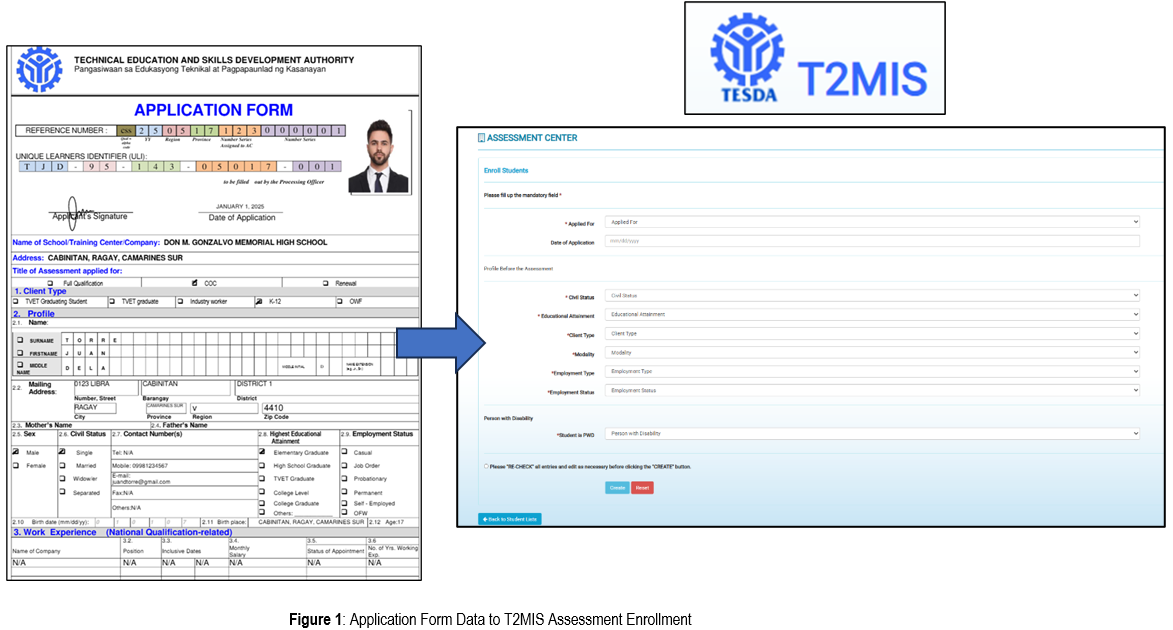
The process of encoding or inputting data into T2MIS represents the crucial transition point where information from physical assessment forms becomes an official digital record. This step must balance two equally important objectives: accuracy (ensuring the digital record is a perfect reflection of the source document) and efficiency (completing the task in a timely manner without compromising quality).
Mastery of this process is fundamental to maintaining the integrity of the certification system and ensuring operational excellence within the Assessment Center.
This is the core activity of a data encoder. It requires a blend of speed, accuracy, and adherence to standards. The data entered into T2MIS must be an exact, bit-for-bit replica of the data on the officially signed application form.
Keyboard Mastery and Speed: Efficiency in data entry starts with a mastery of the QWERTY keyboard layout. Developing a good typing speed allows you to complete tasks more quickly, but accuracy should never be sacrificed for speed. Your work should always be planned in accordance with the job requirements and deadlines.
Adhering to Standards and Regulations: All data must be encoded according to a strict set of rules:
- Established Standards: Following company-specific formatting rules.
- Occupational Health and Safety (OHS): Maintaining proper posture and taking regular breaks to avoid strain.
- Data Privacy Act (R.A. 10173): This law is extremely important. You must handle
Personally Identifiable Information (PII)—like names, addresses, and contact numbers—is handled with the utmost care to ensure security and confidentiality. This includes understanding concepts like data encryption to protect sensitive information.
Sanctions and Penalties: In accordance with the drafted and proposed Philippine TVET Competency Assessment and Certification System (PTCACS), errors in the encoding of candidates in the assessment schedule in the T2MIS by the assessment center, in accordance with the endorsed list of candidates by the P/DO, will have a corresponding level of sanctions and penalties.
|
Offense (Assessment Center) |
Proposed Level of Sanctions and Penalties
|
|
Error in encoding of candidates in the assessment schedule in the T2MIS in accordance with the endorsed list of candidates by the P/DO
Error/s include, but not limited to, the following: a. Name (Surname, First Name, Middle Name) b. Address (which includes Municipality/ City, Province, and Region c. Client Type d. Modality Type |
First Offense
Written Warning |
|
Second Offense
Stern Written Warning with a mandatory virtual conference between the TESDA Provincial Director and the Assessment Center Manager to discuss the lapses. |
|
|
Third Offense
Suspension of the Assessment Center Manager's accreditation for a period of three (3) months. |
|
|
Fourth & Subsequent Offenses
Suspension of the Assessment Center Manager's accreditation for a period of one (1) year. |

Encoding data into T2MIS is a professional discipline that sits at the heart of the modern TESDA assessment process. It is not merely a clerical task, but a role of great responsibility.
By adhering to the principles of fidelity, traceability, and timeliness, and by employing a structured, mindful approach that leverages both proven techniques (like point-and-call) and technological aids, personnel can achieve the vital balance of accuracy and efficiency. This ensures that the trust invested in the physical assessment forms is faithfully transferred into the digital or cloud form, upholding the value and credibility of every National Certificate issued.